
22. Camera System for a Bucket Truck: Seeing the Road and the Rear
A bucket truck on a Ford F-450 / F-550 class chassis arrived in our inbox last week with a simple request: "I need to see the road and see when I'm reversing." That is two cameras, not one, and the rear is the harder of the two — the body is long, the boom sits over the back, and the mirrors were never designed for a platform hanging behind the rear axle. This is the layout we would quote for that truck.
What the driver has to see
Two views matter on a bucket truck, and they fail for different reasons. The forward view is about the road ahead and the near side at junctions; on a high-cab chassis the bonnet and the boom pedestal can eat into what the driver sees. The rear view is about the ground directly behind the rear face — the part a mirror cannot reach on a vehicle this long.
There is a third area that is easy to forget: the ground under and beside the boom when the truck is set up. The operator is working above it and the spotter is usually standing in it, so if you are only fitting one camera, fit it at the back and aim it down.
Why the rear is the hard one
A bucket truck is a rigid vehicle with a long rear overhang and a body that is taller than the cab. The driver sits far forward; the mirrors show the sides of the body, not the tarmac 1–3 m behind the rear face. That gap is where a bollard, a wheel stop or a person disappears, and it is exactly the gap a rear camera closes.
Camera height decides how much of that gap you can see. A camera mounted high on the body sees further down the road but leaves a larger blind strip immediately behind the vehicle; a camera low on the rear face sees the ground at the bumper but less distance. On a bucket truck we usually mount low and centre, because the driver is reversing at walking pace and needs the first two metres more than the next twenty.
Cameras that suit the job
- Mirror image, not normal image. A rear camera should be set to mirror image so it behaves like a rear-view mirror. If the picture is normal image, the driver steers the wrong way the first time it matters.
- Wide angle, but not so wide that the ground shrinks. 120–150° horizontal is the working range. A 150° lens on a low mount covers the bumper and both rear corners; a 90° lens leaves the corners out.
- Wash-down rated. Municipal and utility fleets pressure-wash; IP69K on the camera and a sealed connector matter more here than resolution. The connector, not the housing, is what lets water in.
- Infrared only where it helps. A rear camera with IR LEDs is useful at night for the ground behind the truck, but do not point an IR camera through the windscreen at the road — the light reflects off the glass and washes the picture out.
For a truck this size our starting point is the JPA-BRL metal-body camera for the rear and, if the forward view is blocked by the boom pedestal, a JPA-B20 or a front-view camera on the windscreen. Both are 4-pin aviation, 12V, and take the same cable run as the rest of the fleet.
The monitor and the cable run
One 7-inch monitor with two inputs is enough: rear on the main channel, front on the second. Choose a monitor with a trigger wire so the rear view comes up as soon as reverse is selected — the driver should not be pressing buttons while manoeuvring. The JPM-706 range covers one to four channels with that trigger.
On a rigid truck, run cable. Wireless is for trailers that get unhooked; a bucket truck never does, and a cable is cheaper, faster and immune to interference. Measure the run before ordering: from the rear camera, along the chassis rail, up into the cab. If the run is over 15 m, say so at quotation stage so the harness is made to length rather than joined.
Two installation details decide whether the system survives. First, the camera bracket: the rear face of a bucket body flexes and vibrates, so bolt to the body frame, not to a panel. Second, the cable entry: leave a drip loop below the gland so water runs off instead of tracking into the housing.
What we would quote
For the truck in that email: one rear camera (mirror image, 150°, IR for night work), one front-view camera if the boom pedestal blocks the view, a two-channel 7-inch monitor with reverse trigger, and a made-to-length harness. The exact bracket and cable length depend on the body builder, which is why we ask for two photographs — one of the rear face and one of the dashboard — before quoting.
If you are fitting a similar truck and want the wiring diagram, send us the vehicle model, the body builder and what the driver needs to see. We will come back with the camera positions marked up, the cable route, and a quotation. The how to choose a truck camera guide covers the measurements; reversing on a rigid truck covers the mounting geometry in detail.
Leave your email and we will send the diagram
Tell us the chassis and the body, and we will send the wiring diagram for that layout with a quotation for the cameras, monitor and harness. Send the vehicle details here — the email field is required so we can reply with the drawing rather than a generic reply.
Frequently asked questions
Do I need one camera or two on a bucket truck?
Two if the boom pedestal blocks the forward view: one mirror-image camera at the rear, one at the front. If the forward view is clear, the rear camera alone answers the reversing problem.
Rear camera high on the body or low on the bumper?
Low and centre for reversing: it sees the ground immediately behind the rear face. High mounts see further but leave a blind strip right where a person would stand.
Cable or wireless on a bucket truck?
Cable. The body never separates from the cab, so there is nothing to gain from wireless and a cable is immune to interference. Measure the run and have the harness made to length.
Related articles
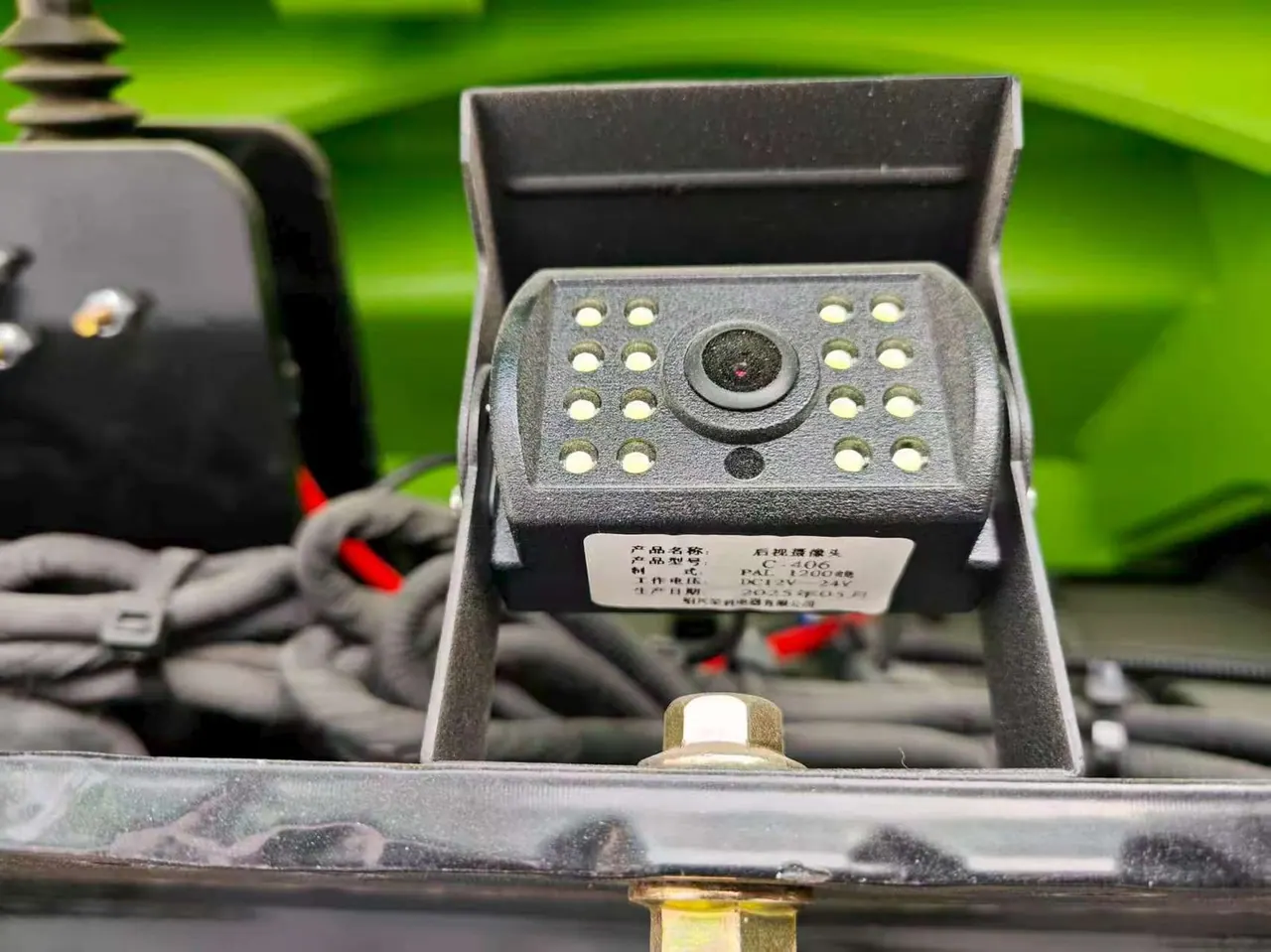
01 How to Choose a Truck Camera: The Complete Buyer's Guide
A practical guide to specifying commercial vehicle cameras: position, resolution, viewing angle, night vision, waterproof rating and connector type.
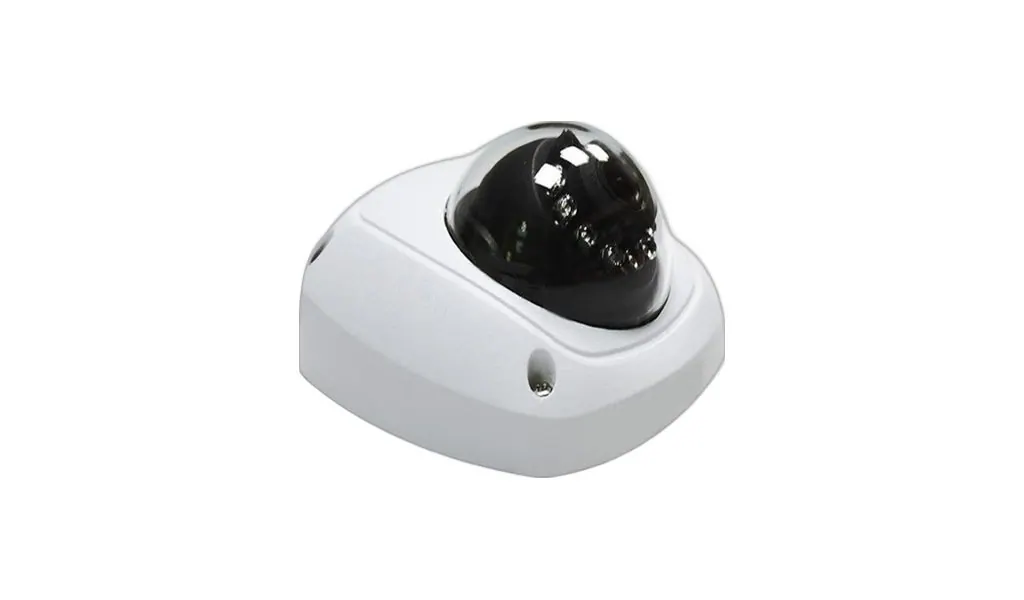
19 How to Fit a Reversing Camera to a Rigid Truck: Positions, Wiring and Checks
Where to mount a reversing camera on a rigid truck, how the mounting height sets the blind spot, and the wiring mistakes that kill cameras.
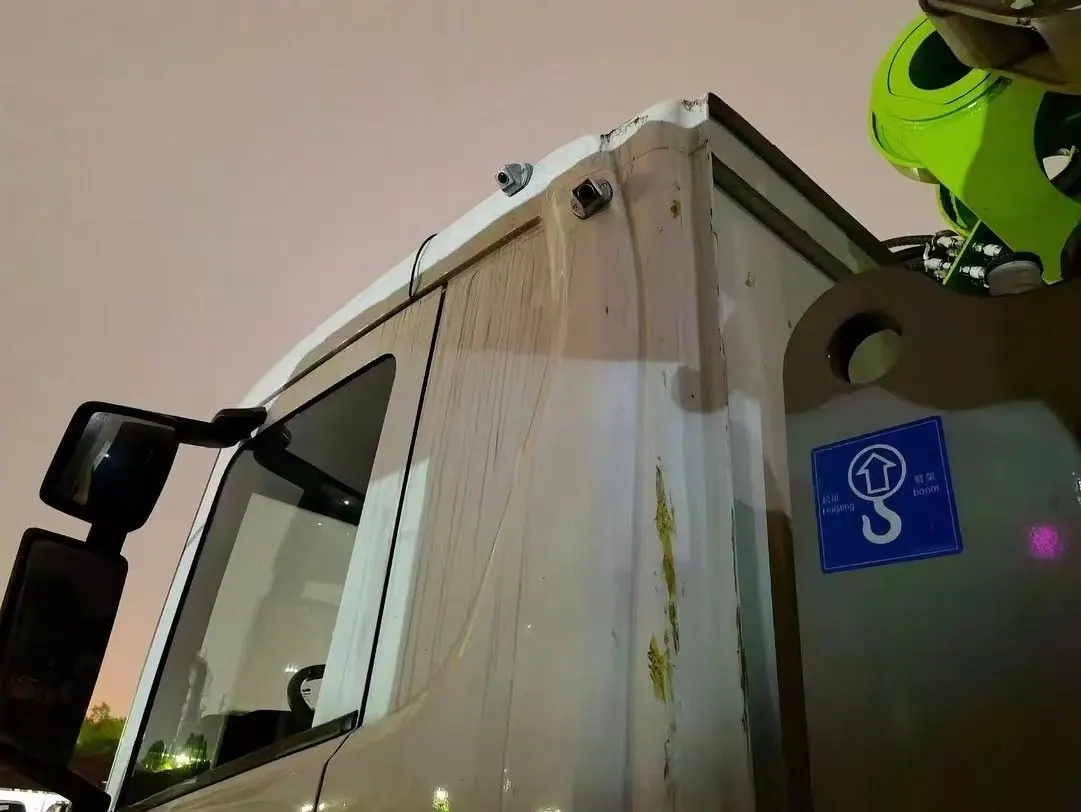
20 Blind Spot Camera Systems for Trucks: What to Fit, Where to Mount It, and How to Check It Works
What a truck blind spot system is made of, where each sensor has to sit, and the measurements that prove it works before the vehicle goes back in service.
Looking for a reliable camera system supplier?
Tell us your vehicle type and application — we will recommend the right system and quote within 24 hours. Distributors and OEM/ODM projects welcome.