
15. DMS and ADAS Explained: Fleet Safety Monitoring That Works
Two acronyms, two different directions of gaze. ADAS looks at the road ahead; DMS looks at the driver. Confusing them leads to systems that are installed, paid for and then quietly switched off — a pattern common enough that we ask which of the two duties is actually being bought before quoting anything.
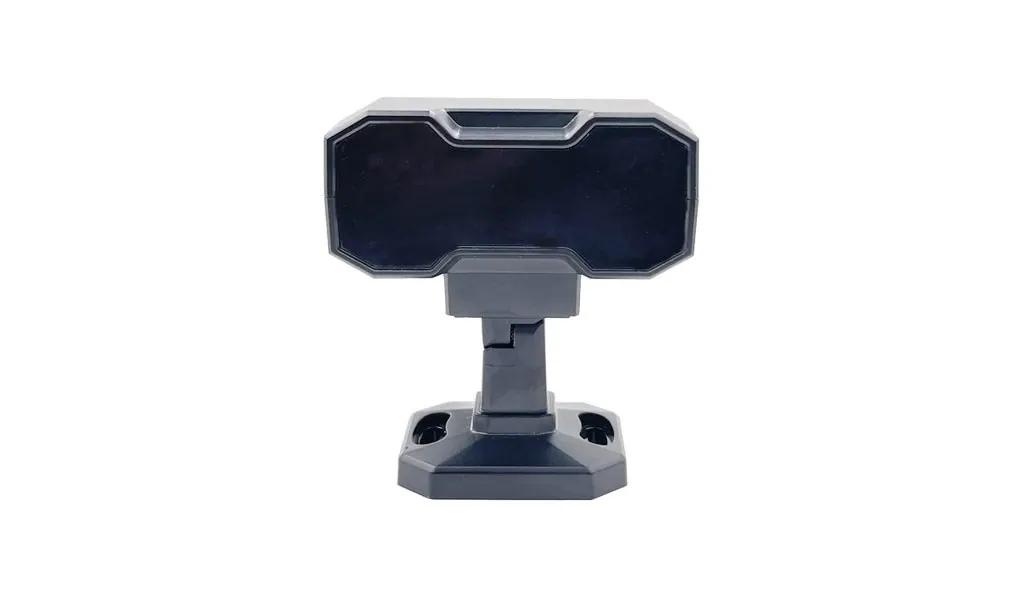
Key takeaways
- ADAS watches the road ahead; DMS watches the driver. Different cameras, different data.
- False alarms decide whether either system survives its first month in service.
- A driver-facing camera has to be visible and explained, not covert.
- The value comes from alarm clips with timestamps, not from continuous recording.
What each system watches
| ADAS | DMS | BSD | |
|---|---|---|---|
| Looks at | The road ahead | The driver | The sides and rear |
| Detects | Vehicles, lane position, headway | Fatigue, distraction, phone use, smoking | People and vehicles in blind spots |
| Camera position | Windscreen, forward | A-pillar or dashboard, facing the driver | Side, front corner or rear |
| Typical alarm | Collision and headway warning | Fatigue and distraction alert | Blind spot warning |
| Main risk addressed | Rear-end and lane departure | Fatigue and distraction collisions | Low-speed side collisions |
What DMS genuinely detects
- Fatigue. Eye closure duration, blink rate and head position are the usual signals. A system warning at the point of eyelid closure is reacting late; the useful signal is a change in pattern over the preceding minutes.
- Distraction. Gaze direction away from the road beyond a threshold, and head pose indicating attention elsewhere.
- Phone use and smoking. Object detection in the hand or near the face. Reliable in daylight; more challenging at night without good IR illumination.
- Seatbelt compliance. Often useful simply because it is unambiguous and requires no tuning.
What DMS does not do well
DMS is not a disciplinary tool and it does not detect impairment from alcohol or drugs. Sunglasses, face masks and extreme lighting reduce accuracy. A camera mounted so the driver appears at an oblique angle produces poor detection and should be repositioned rather than compensated for in software.
Why drivers disable these systems — and what to do about it
Almost every case of a disabled safety system comes down to one of four causes. All four are design problems rather than attitude problems: in our experience a driver disables a warning system because it cries wolf, not because the driver does not care.
- False alarms. A system warning on every parked car or every head-turn is worse than no system. Tune detection thresholds on real routes with real drivers before fleet-wide rollout.
- Alarm volume and tone. A harsh alarm that fires repeatedly is perceived as punishment. Use graded warnings: a light for awareness, a tone only for genuine close-range risk.
- Surveillance framing. Drivers who believe the system exists to catch them out will defeat it. Fleets that explain the system in terms of protecting the driver — against false allegations, fatigue and blame — get far better compliance.
- No feedback loop. If alerts are never reviewed and never acted on, drivers correctly conclude the system is pointless. Reviewing alert data weekly is what converts a monitoring system into a safety programme.
Privacy, law and industrial relations
Driver-facing cameras attract more legal and industrial scrutiny than any other vehicle technology. In many jurisdictions you must notify drivers, have a lawful basis for processing, restrict who can access footage and limit retention. Recording audio in the cab is separately restricted or prohibited in a number of countries. Check the position in each operating country before ordering — we supply configurations with the microphone disabled where that is required.
A sensible deployment sequence
- Pilot on a small number of vehicles with a defined measurement period, ideally three months.
- Tune detection during the pilot, using real routes and real drivers. Do not accept default settings.
- Establish the review process before rollout — who looks at the alerts, how often, and what happens next.
- Train drivers on what the system does and why, and tell them plainly what is recorded.
- Roll out and keep measuring. Compare alert rates and incident rates over time; retune as routes change.
Where the returns actually come from
- Exonerating the driver. In fleets that measure it, the largest single financial benefit is usually the claims that are closed quickly because footage exists.
- Targeted coaching. Reviewing a specific incident with a specific driver changes behaviour in a way that a general safety briefing does not.
- Insurance terms. Many insurers now recognise monitored fleets, and a documented safety programme is increasingly a condition of competitive cover.
- Fatigue management. For long-shift and night operations, an early fatigue warning is the intervention that prevents the collision entirely.
Two follow-ups come up in almost every DMS project: whether the sensor can hold a face in the dark (global shutter versus rolling shutter), and where the recording lives (recorders and dashcams). It is also worth settling the camera layout before the pilot rather than after it, which is what how to choose a truck camera is for.
Frequently asked questions
Do I need DMS as well as ADAS?
They address different collision types, so the answer depends on your incident history. Fleets with a high proportion of rear-end and lane-departure events benefit most from ADAS. Fleets with long shifts, night work or distraction-related incidents benefit most from DMS. Many operators eventually fit both.
How accurate is fatigue detection?
Modern systems detect clear fatigue indicators reliably, but no system eliminates false positives and negatives. Treat it as a warning aid, not a medical assessment. Tune it against your own routes and drivers, and review alerts rather than acting on them automatically.
Can DMS be added to an existing camera system?
Usually. A DMS camera such as the JPC-143 is a passive AHD camera from the recorder’s point of view, so it can be added as an extra channel where the recorder has spare capacity. Check channel count and any cloud platform licensing before assuming a firmware upgrade is enough.
Is recording the driver legal?
It depends on the jurisdiction, and the answer can differ between countries in the same fleet. In general you need a lawful basis, driver notification, restricted access to the footage and a defined retention period. Audio recording is more tightly restricted than video in many countries. Take local advice before deploying.
Related articles
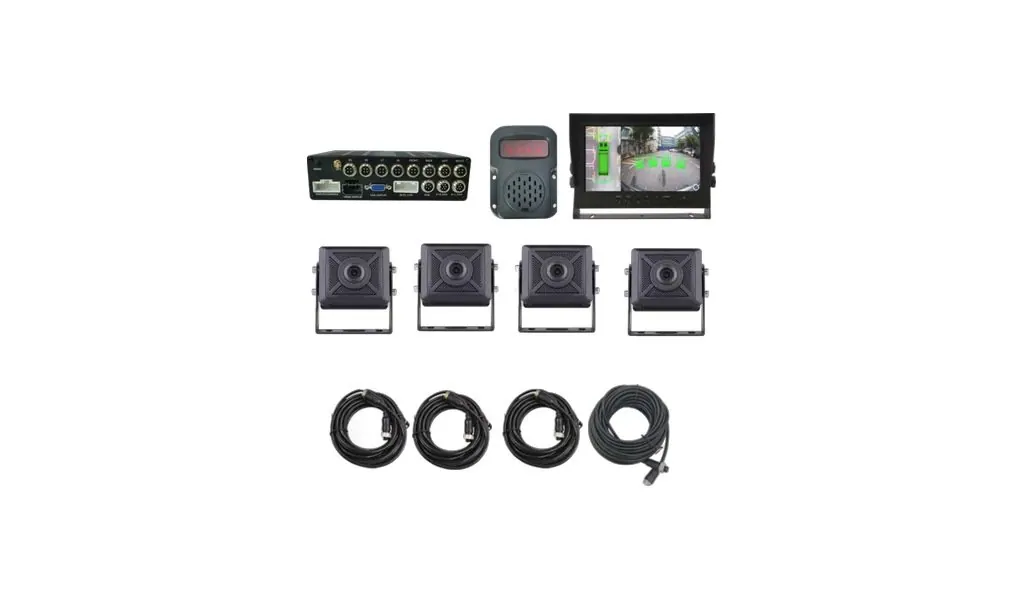
14 360° Panoramic vs BSD Radar: Which Blind Spot System Do You Need?
Comparing 360° panoramic systems with camera-based BSD and ultrasonic radar: what each detects, how each fails, and how to combine them on trucks and buses.
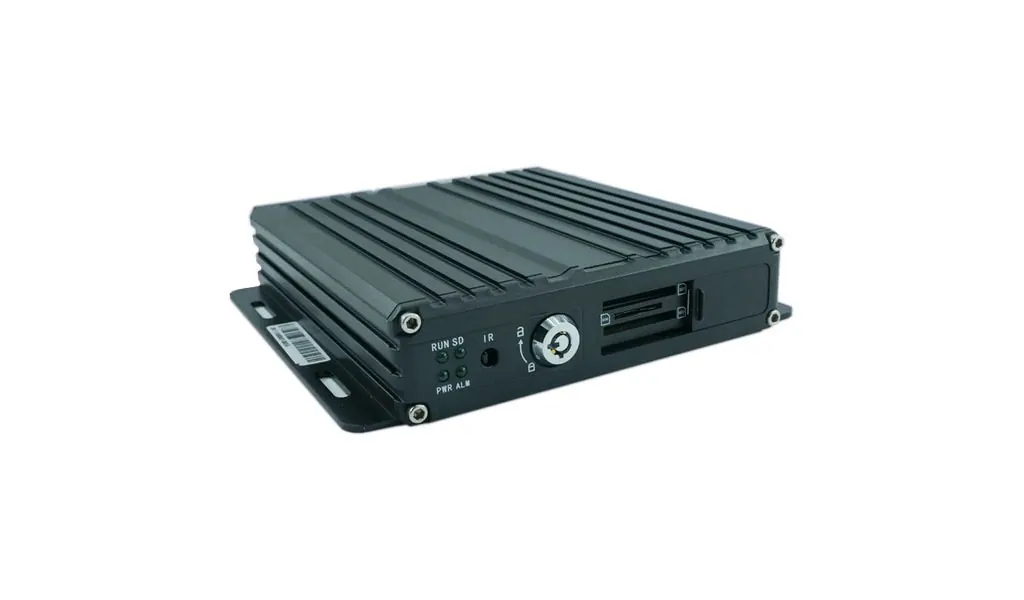
12 MDVR Buying Guide: How to Specify a Mobile DVR
How to choose a mobile DVR: channel count, SD versus hard drive, H.264 versus H.265, GPS and 4G, temperature ratings, UPS power and how much footage to keep.
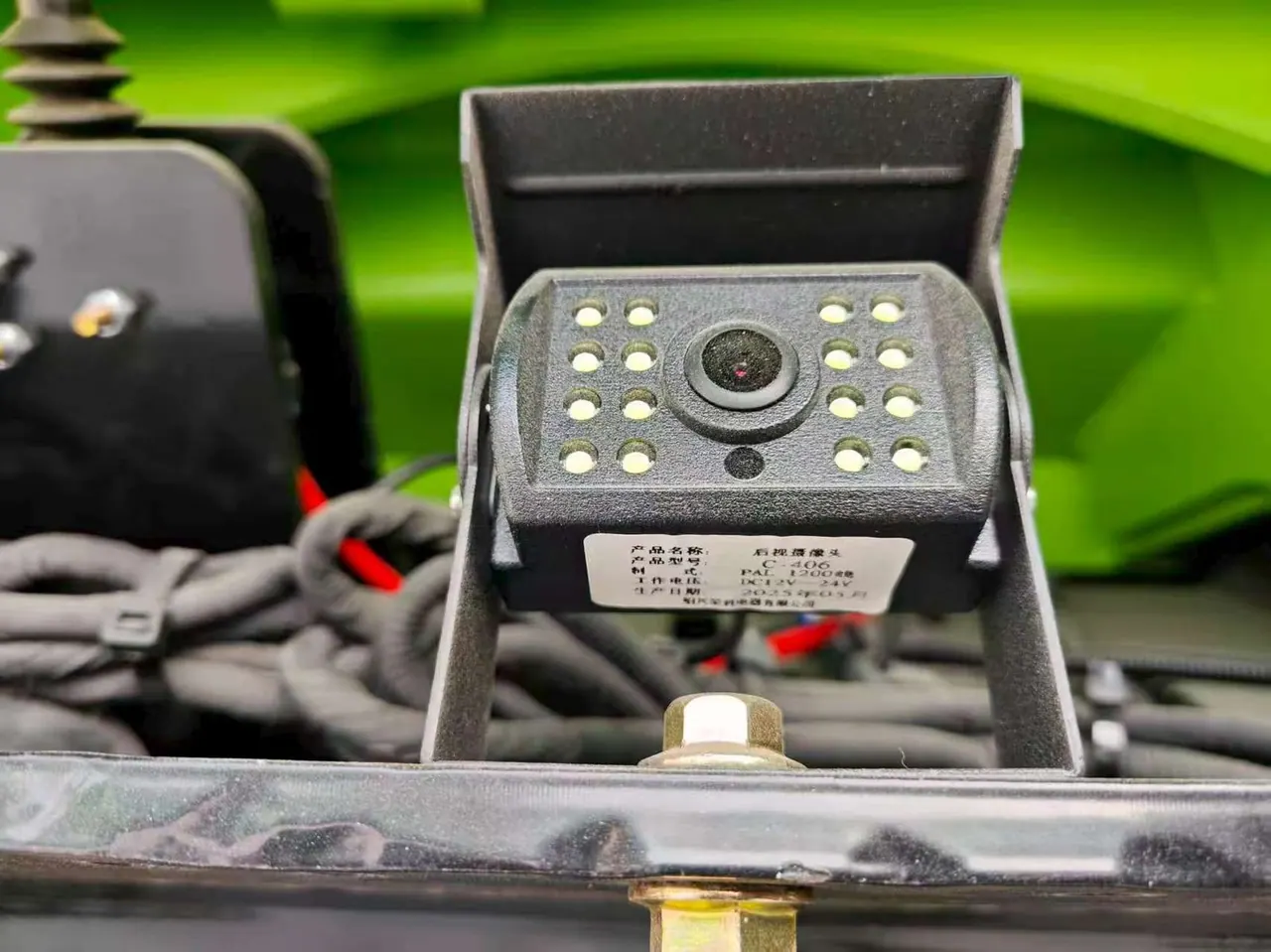
01 How to Choose a Truck Camera: The Complete Buyer's Guide
A practical guide to specifying commercial vehicle cameras: position, resolution, viewing angle, night vision, waterproof rating and connector type.
Looking for a reliable camera system supplier?
Tell us your vehicle type and application — we will recommend the right system and quote within 24 hours. Distributors and OEM/ODM projects welcome.