
01. How to Choose a Truck Camera: The Complete Buyer's Guide
We get the same call a few times a month: a camera that is two years old, fogged up behind the lens, and a fleet manager asking why the cheap one did not last. Almost every one of those calls traces back to a decision made in five minutes on a price list. These are the eight questions we ask before we quote — answer them and the camera will still be working when the truck is sold.
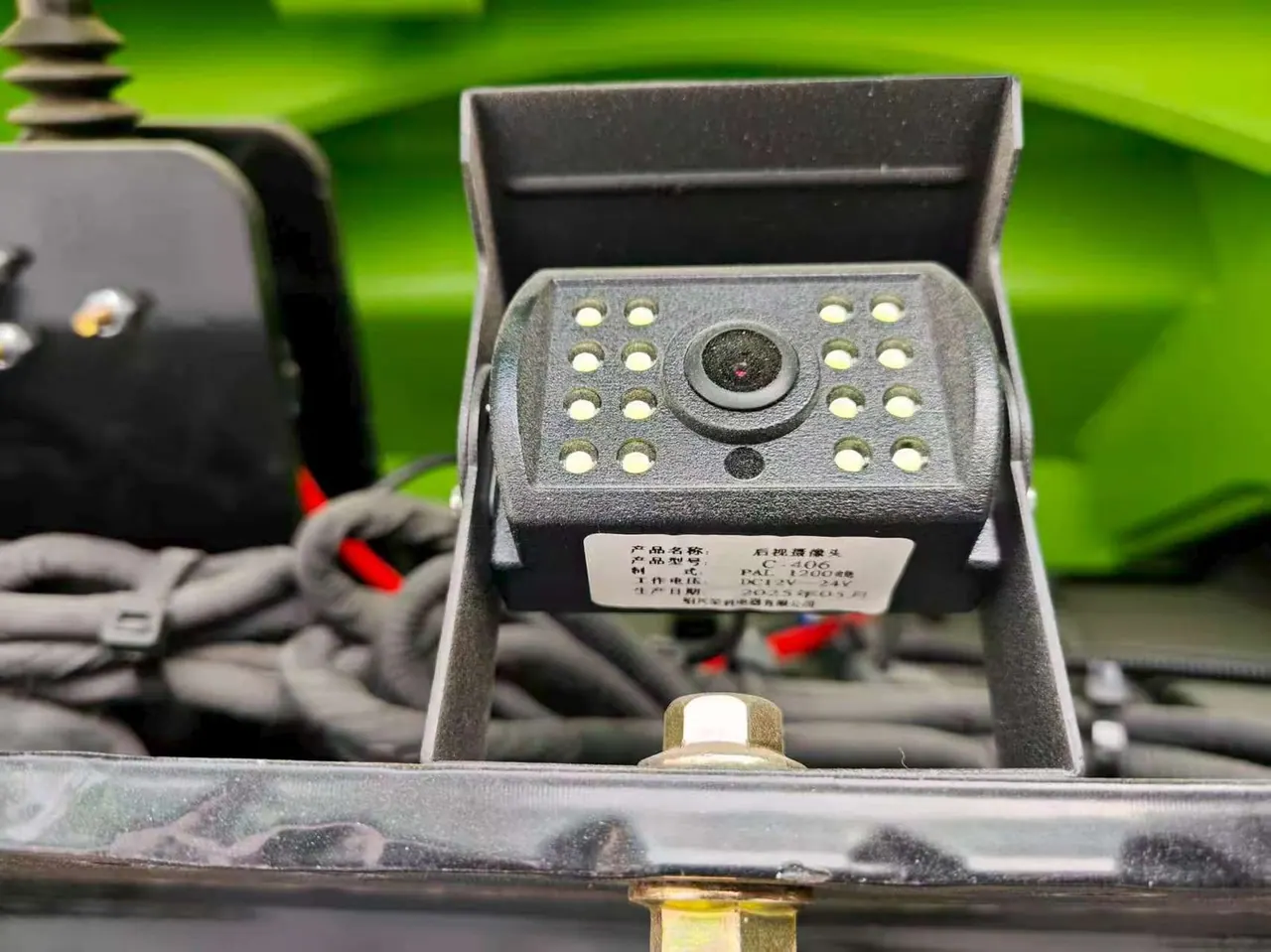
Key takeaways
- Start from the position, not the model number: what has to be visible, from where?
- Resolution matters less than the viewing angle and the environment it has to survive.
- Voltage, connector and cable route are decided by the vehicle, not by the camera.
- Add the recorder and the fitting to the price — the camera is rarely the expensive part.
A camera is not expensive. Replacing one is: you pay the labour twice, the vehicle sits in the yard, and if the picture had already gone bad without anyone noticing, you find out from an incident report. Twenty minutes with the eight questions below is the cheapest part of the whole job.
1. Which position is the camera covering?
Start here, because it decides everything else. A camera we would happily fit on a tanker side is the wrong camera for a rear reversing view, and the other way round. Tell us where it goes and we can usually narrow the choice down to two or three models immediately.
| Position | Job | Angle | Notes |
|---|---|---|---|
| Side / blind spot | Show the road beside the vehicle | 110–150° | Must be aimed down 30–45° at the road surface |
| Rear / reversing | Show the ground behind | 120–170° | Needs a downward tilt and reversing trigger |
| Front | Forward blind spot, junction view | 90–140° | Low-profile mount; avoid the wiper arc |
| Interior | Cabin, crew or load | 60–120° | Dome housing where people are close |
| Forward-facing safety (ADAS) | Road ahead for warnings | 30–60° | Narrow angle gives usable detection range |
2. How much resolution do you actually need?
Resolution gets treated like a score to push as high as possible. It is not — it is about how far the driver has to judge distance and how big the screen is. A 720P camera on a 5-inch monitor, for a short reversing distance, does the job. Pay for 1080P when one of these is true:
- The monitor is 7 inches or larger.
- The driver is judging distance down the side of a 12-metre trailer.
- The footage will be used as evidence after an incident.
- The vehicle operates at night and the image will be examined in detail.
You can mix 720P and 1080P on the same vehicle without a problem — they run on the same AHD platform. Buy the higher resolution where somebody actually has to read detail, and save the money where nobody does.
3. What is the operating environment?
| Environment | Specification priority |
|---|---|
| Highway and general haulage | IP69, metal housing, vibration resistance |
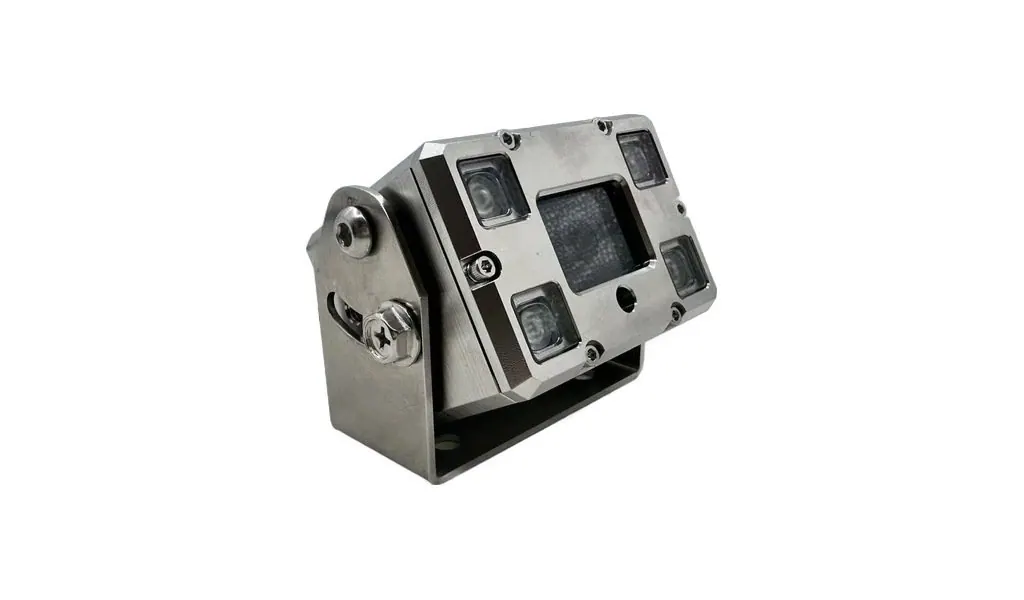
| Pressure-washed daily (refuse, food, concrete) | IP69K, coated or stainless housing, protective cover |
| Coastal or chemical | 304 stainless steel, sealed connectors, heating |
| Hazardous area (fuel, gas) | Explosion-proof certified enclosure |
| Quarry, mining, dust | Thermal imaging, protective covers, IP69K |
| Freezing climate | Automatic lens heating, cold-flexible cable |
4. What voltage is the vehicle?
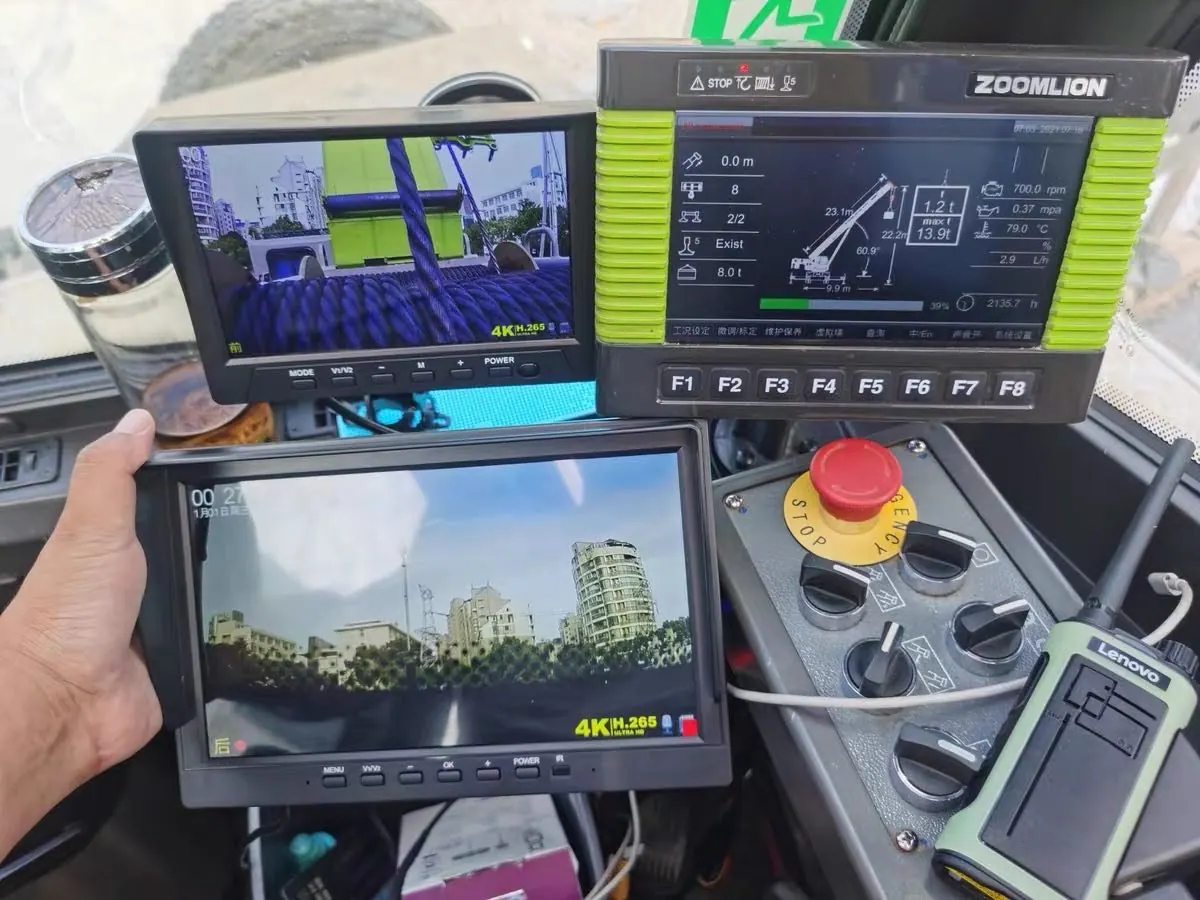
This is the question that comes back at us most often. Most camera heads are 12V, most trucks are 24V, and a 24V system does not sit politely at 24V — it dips while cranking and surges past 30V on a jump start or an alternator load dump. A monitor rated to 30V blacks out when that happens. Ask for a monitor rated to 40V, or fit a step-down module, and confirm the camera supply is regulated.
5. How will it be connected?
The 4-pin aviation connector is the industry standard for commercial vehicles and is what we fit to the truck range by default: red is 12V positive, black is 12V negative, and yellow carries the video signal. Aviation connectors lock, resist water and survive repeated coupling. RCA is acceptable for aftermarket kits and short runs, but for fleet installations aviation throughout is the specification that lasts.
6. Does the driver need to see it, or to be warned?
A camera is information: somebody has to look at the screen. An AI camera or a BSD system is a warning: it tells the driver whether they looked or not. If the risk you are addressing involves a driver who may not check, or checks at the wrong moment, a camera on its own is an incomplete answer — add a warning layer on top of it.
7. How will you record and review?
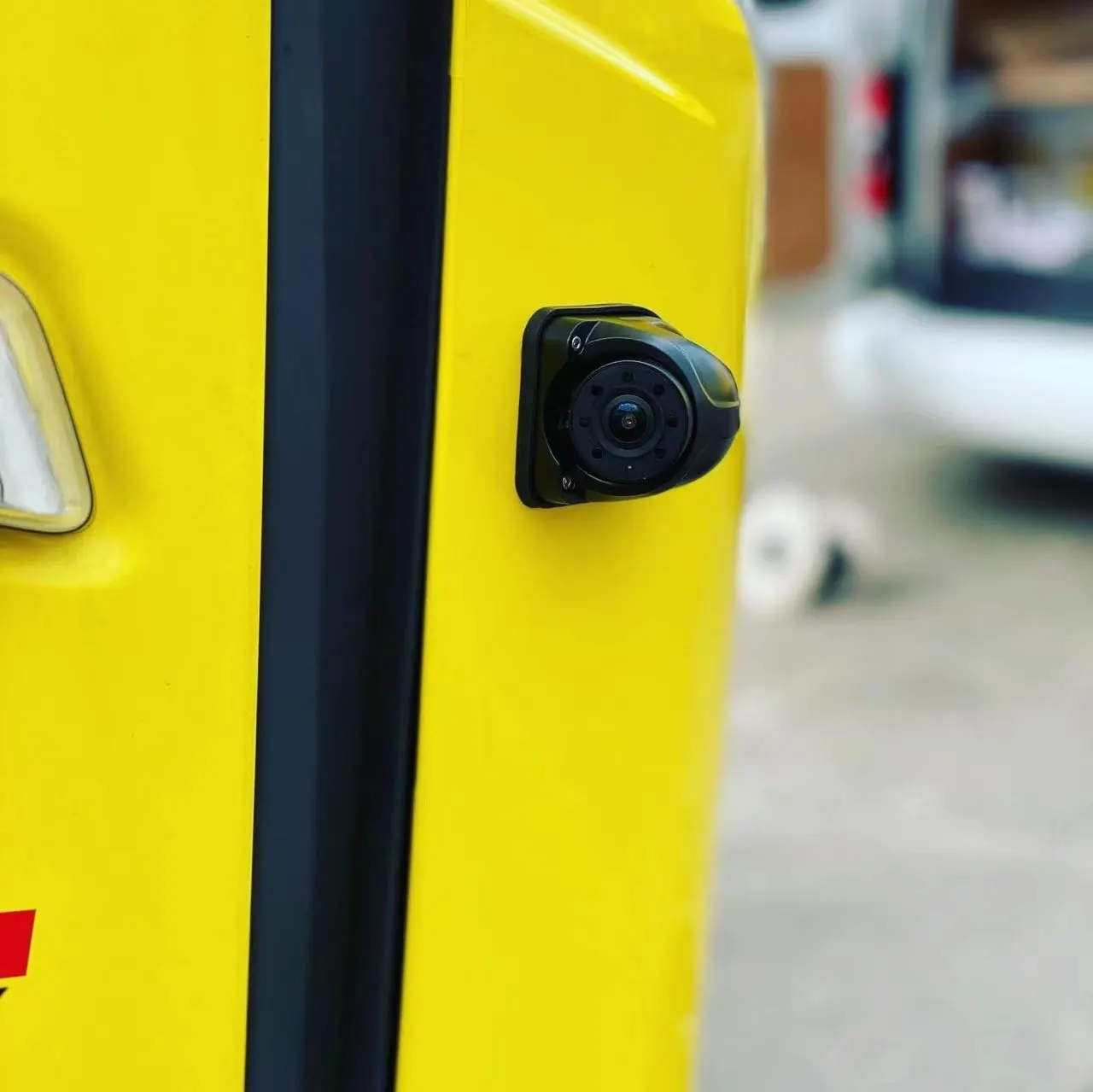
Cameras help you avoid the incident. Recorders help you afterwards — with an insurer, a claim or a compliance question. If anyone other than the driver will ask what happened, the recorder is not optional, and that decision belongs before the wiring goes in. Size the storage against how long you must keep footage: roughly 1 GB per 1080P channel per hour on H.265, so four channels fill a 256GB card in about two and a half days.
8. What does the whole system cost to own?
- Purchase price — cameras, monitor or recorder, harness, brackets, installation.
- Installation labour — a well-designed kit with correct cable lengths saves hours per vehicle. Multiply by fleet size.
- Failure cost — the labour to diagnose and replace, plus the downtime. A cheap camera that fails at three years has usually cost more than a good one that does not.
- Silent failure cost — a camera that stops working but gives no indication. Check cameras at every service interval.
A worked example
A fleet of 40 rigid tipper trucks on urban delivery work, in a mixed climate, needing nearside cyclist protection with incident recording and a 7-day retention policy. The specification that follows from the questions above: three 150° side cameras per vehicle (1080P, because the monitor is a 7-inch quad unit and footage will be used for claims), plus an AI blind spot camera on the nearside armed below 20 km/h, a 4-channel SD-card recorder with GPS, a quad monitor with indicator-triggered switching, and an aviation harness. IP69 throughout, with protective covers on the rearmost cameras where stone strikes are likely.
Two of the eight questions have their own articles: the coverage arithmetic in question 1 is worked through in field of view and lens angle, and question 7 is the recorder guide. The truck camera range lists what we supply for each position.
Frequently asked questions
Is 1080P always better than 720P?
No. Above a certain point the limitation is the monitor, the lens and the lighting rather than the sensor. A 720P camera with a good lens and a 5-inch monitor produces a better usable image than a 1080P camera with a poor lens on the same monitor. Buy resolution to match the display and the viewing distance.
How many cameras does a truck need?
A basic reversing system needs one. Full side coverage on a rigid truck takes two to three. A complete system with front, rear and both sides takes four, plus a recorder. Add an AI camera where warnings matter more than viewing, and DMS where driver monitoring is required.
Do I need a recorder as well as cameras?
Only if you need evidence after an incident, compliance reporting, or driver coaching. Cameras alone improve what the driver can see in the moment; they leave no record. Most fleets that have ever had a disputed claim fit recorders afterwards.
Related articles
03 AHD vs IP vs CVBS: Which Video Standard for a Vehicle Fleet?
AHD, IP and CVBS compared for commercial vehicles: resolution, cable distance, latency, cost, recording quality and which standard suits which installation.
05 IP69K vs IP68 vs IP67: What Vehicle Camera Ratings Really Mean
What IP ratings actually test, why IP68 and IP69K are not comparable, why IP69K matters for pressure-washed fleets, and what the rating does not cover.
06 Night Vision for Commercial Vehicles: How to Read Lux and IR Specifications
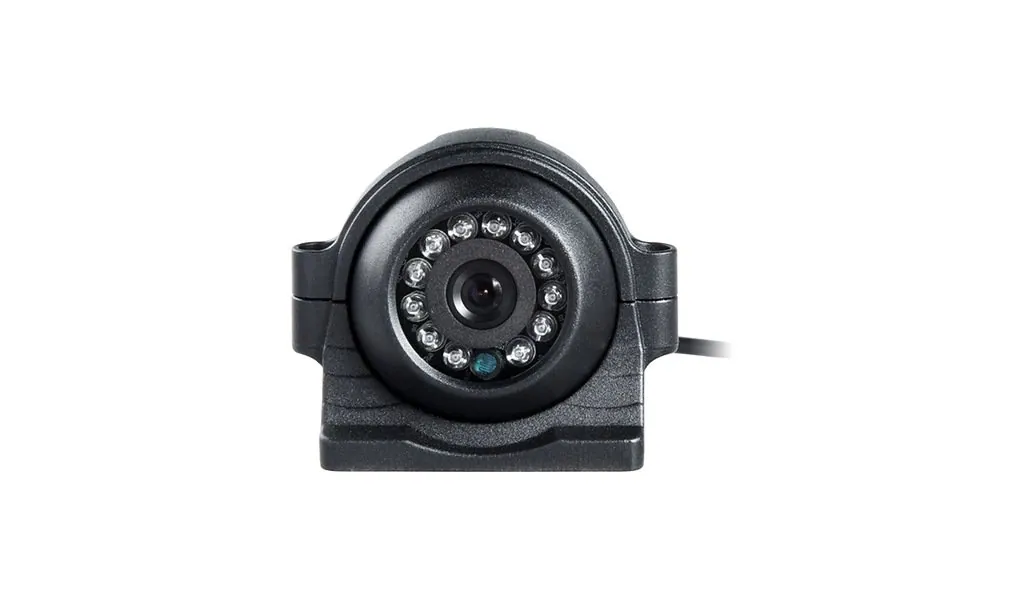
How infrared night vision works on vehicle cameras: lux ratings, 650 versus 850 nm LEDs, IR range, backscatter and why housing design decides image quality.
Looking for a reliable camera system supplier?
Tell us your vehicle type and application — we will recommend the right system and quote within 24 hours. Distributors and OEM/ODM projects welcome.