
03. AHD vs IP vs CVBS: Which Video Standard for a Vehicle Fleet?
Most weeks somebody sends us two quotes for the same truck and asks why one is half the price of the other. Usually the two quotes are not the same thing at all: one is CVBS, the other AHD, or one is IP and the other analogue. Here is how to tell them apart before you sign, not after.
Key takeaways
- AHD carries 1080P over the analogue cable already fitted to the vehicle. That is why it dominates.
- CVBS is a retrofit answer, not an evidence standard.
- IP wins on resolution and cable distance, and loses on latency.
- Keep the driver’s live view on the analogue path; the recording can take the slow route.
All three standards carry a picture. They differ in where the picture is turned into a signal, what cable it travels on, and what you need at the far end to read it. That is what the price difference is really buying — so start by asking which of the three you are being quoted.
CVBS — the old analogue standard
Composite video, usually around 700 TV lines, carried on a single coax pair or a 4-pin connector. It is the cheapest option and the most forgiving of long cable runs and low-quality cable. It is also limited to roughly 720 × 576 effective resolution and it degrades visibly with cable length and interference.
CVBS is still the right answer for a simple reversing camera on a compact van, and for retrofits onto vehicles that already have an analogue monitor. It should not be specified for a new fleet where the footage will be used as evidence.
AHD — analogue high definition
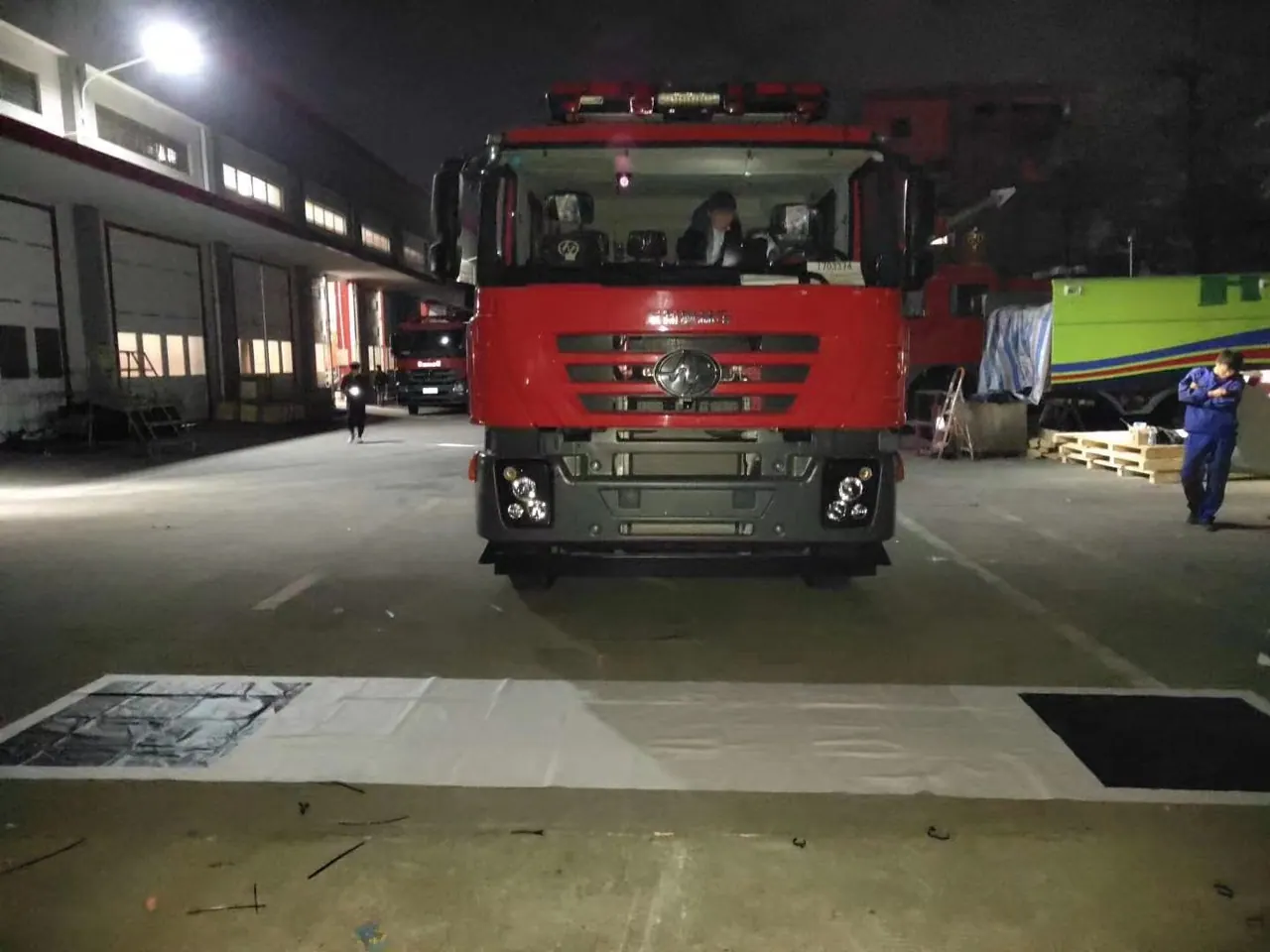
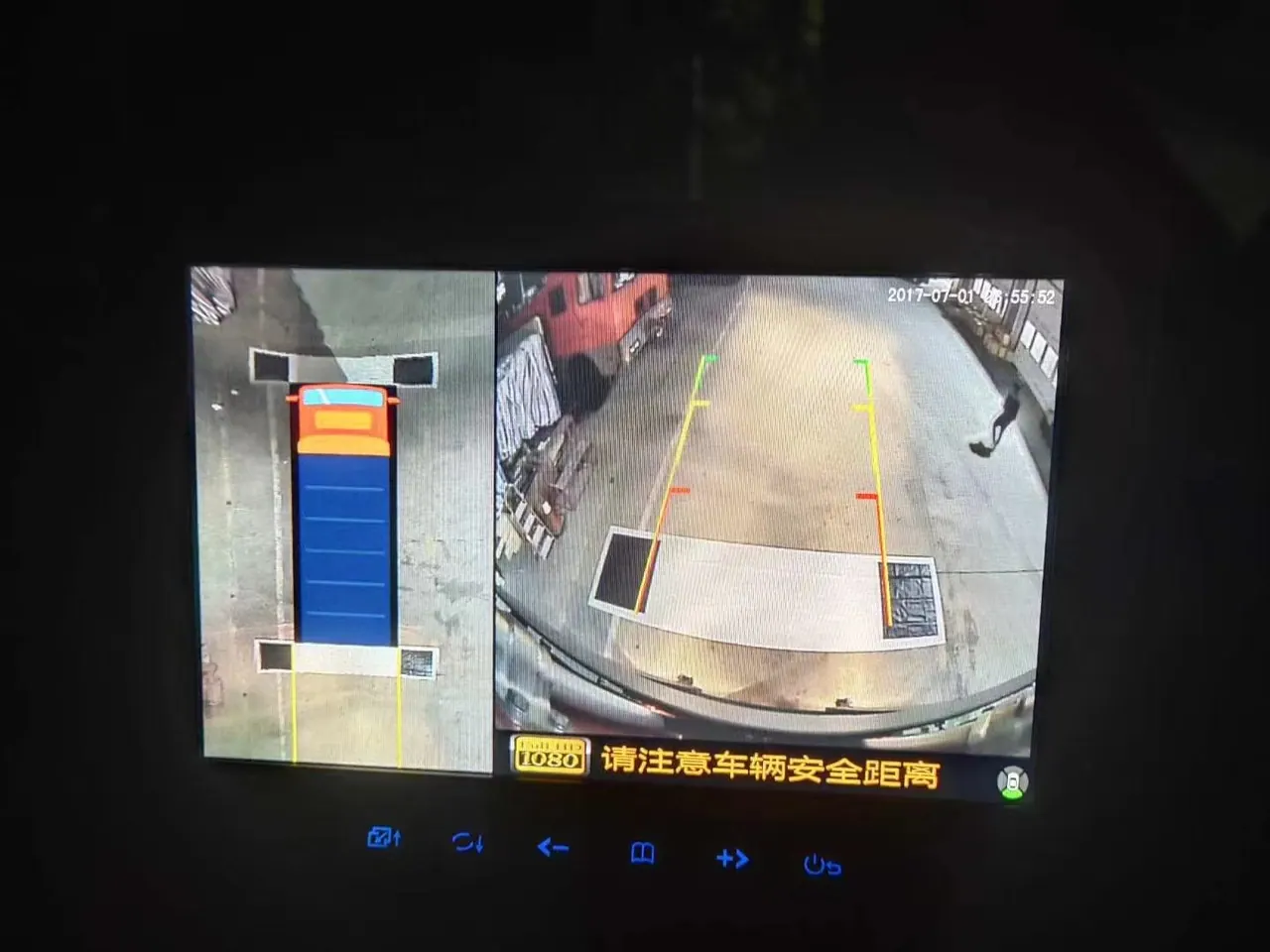
AHD carries 720P or 1080P over the same analogue cabling as CVBS, which is why it became the default for commercial vehicles: you get modern resolution without changing the harness, the connectors or the installation technique. All of our JPC camera range and JPM monitor range is built on this platform.
- Latency is minimal. The signal is analogue and effectively instantaneous, which matters for reversing and manoeuvring cameras.
- Reliable to around 30 m on good cable, further with a suitable cable specification or a twisted-pair balun set.
- Works with the standard 4-pin aviation connector, the de facto standard in commercial vehicles.
- Cheap per channel, because no encoding hardware is needed at the camera.
- No network configuration and no IP addressing to manage in the field.
The limitation is that AHD is point-to-point: one camera, one cable, one monitor input. It does not scale to dozens of cameras across a site without a lot of copper.
IP — network video
IP cameras digitise in the camera and send a packet stream over Ethernet. In vehicle applications this shows up as the IPC channels on an MDVR, or in a depot-wide installation where cameras and recorders sit on a local network.
- Higher resolutions are practical — 4MP and beyond — because the signal is digital end to end.
- One cable carries power and data with PoE, and one network cable can serve a whole cluster through a switch.
- Latency is higher than AHD. For a reversing camera, a delay of a few hundred milliseconds between the bumper and the screen is a real disadvantage.
- Configuration is more complex, and network faults take longer to diagnose than a broken coax.
- Cost per channel is higher at small channel counts and lower at large ones.
Side by side
| CVBS | AHD | IP | |
|---|---|---|---|
| Max practical resolution | ≈720 × 576 | 1080P | 4MP and above |
| Latency | None detectable | None detectable | Noticeable for reversing |
| Typical reliable cable run | 30–50 m | ≈30 m | 100 m per segment |
| Connector | 4-pin / RCA | 4-pin aviation / RCA | RJ45 |
| Cost per channel, small systems | Lowest | Low | Highest |
| Cost per channel, large systems | Low | Low | Comparable |
| Evidence quality | Poor | Good | Best |
| Field diagnosis | Easy | Easy | Requires network knowledge |
| Best for | Simple retrofits | Most commercial vehicles | Large sites, high resolution |
How to decide
- If the camera is for manoeuvring, choose AHD. Latency matters more than resolution, and the cable and connector ecosystem is already in place.
- If the footage will be used as evidence, choose AHD at 1080P as a minimum and consider IP where the budget allows. CVBS footage rarely identifies anything useful.
- If the vehicle already has analogue cable and a working monitor, AHD lets you upgrade the cameras without touching the harness. This is the cheapest meaningful upgrade available.
- If you are covering a large depot or yard, IP on a network makes more sense than pulling dozens of analogue runs.
- If you need the highest resolution available — reading a plate at distance, for example — IP is the only standard that gets you there.
Choosing a standard is really a decision about the two ends of the cable. Monitors lists the input combinations each generation accepts, latency by interface puts numbers on the delay each standard adds, and the recorder guide covers the recording end of the same chain.
Frequently asked questions
Can I use an AHD camera with an old CVBS monitor?
No — the monitor will show nothing or a rolling image. The reverse usually works: most modern AHD monitors accept CVBS input, so you can put a new monitor on old cameras, but not the other way round.
Why does my image go black and white or roll?
That is a signal standard mismatch, almost always NTSC against PAL. Check the camera and the monitor or recorder are set to the same standard. Some equipment auto-detects; some needs to be set explicitly.
How far can I run AHD cable?
Around 30 metres reliably on good coaxial or twisted-pair cable, more with a better cable specification or a balun set. Beyond that the image softens, the colour drifts and interference becomes visible. On long vehicles use a balun, or move to an IP camera.
Related articles
01 How to Choose a Truck Camera: The Complete Buyer's Guide
A practical guide to specifying commercial vehicle cameras: position, resolution, viewing angle, night vision, waterproof rating and connector type.
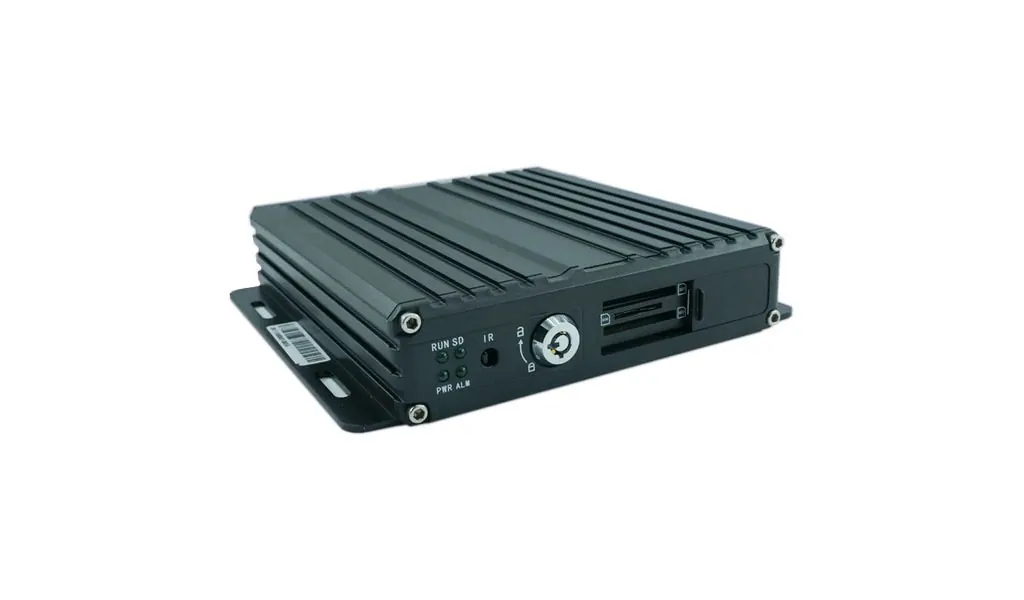
12 MDVR Buying Guide: How to Specify a Mobile DVR
How to choose a mobile DVR: channel count, SD versus hard drive, H.264 versus H.265, GPS and 4G, temperature ratings, UPS power and how much footage to keep.
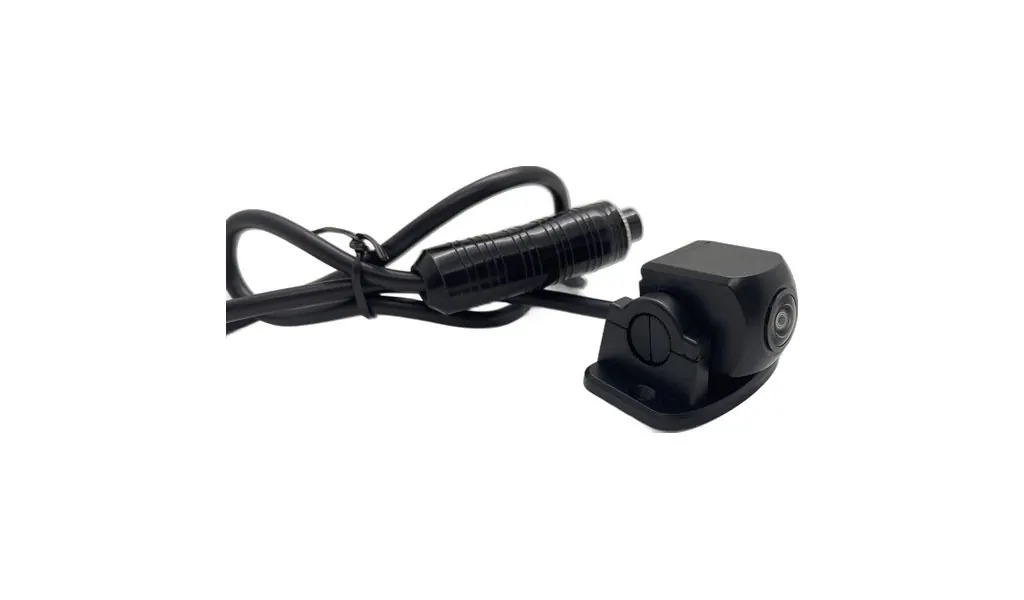
04 Camera Sensor Guide: 2053, 8536H, 307 — What the Chipset Numbers Mean
How to read a vehicle camera datasheet: sensor size, what chipset numbers such as 2053, 8536H and 307 actually mean, lens construction, WDR and IR-CUT filters.
Looking for a reliable camera system supplier?
Tell us your vehicle type and application — we will recommend the right system and quote within 24 hours. Distributors and OEM/ODM projects welcome.