
Multi-Camera and Driver Monitoring for City Bus Fleets
A bus camera system has two jobs that pull in opposite directions: it must produce credible evidence after an incident, and it must be discreet enough that passengers do not object. Getting both right is a question of placement and housing choice.
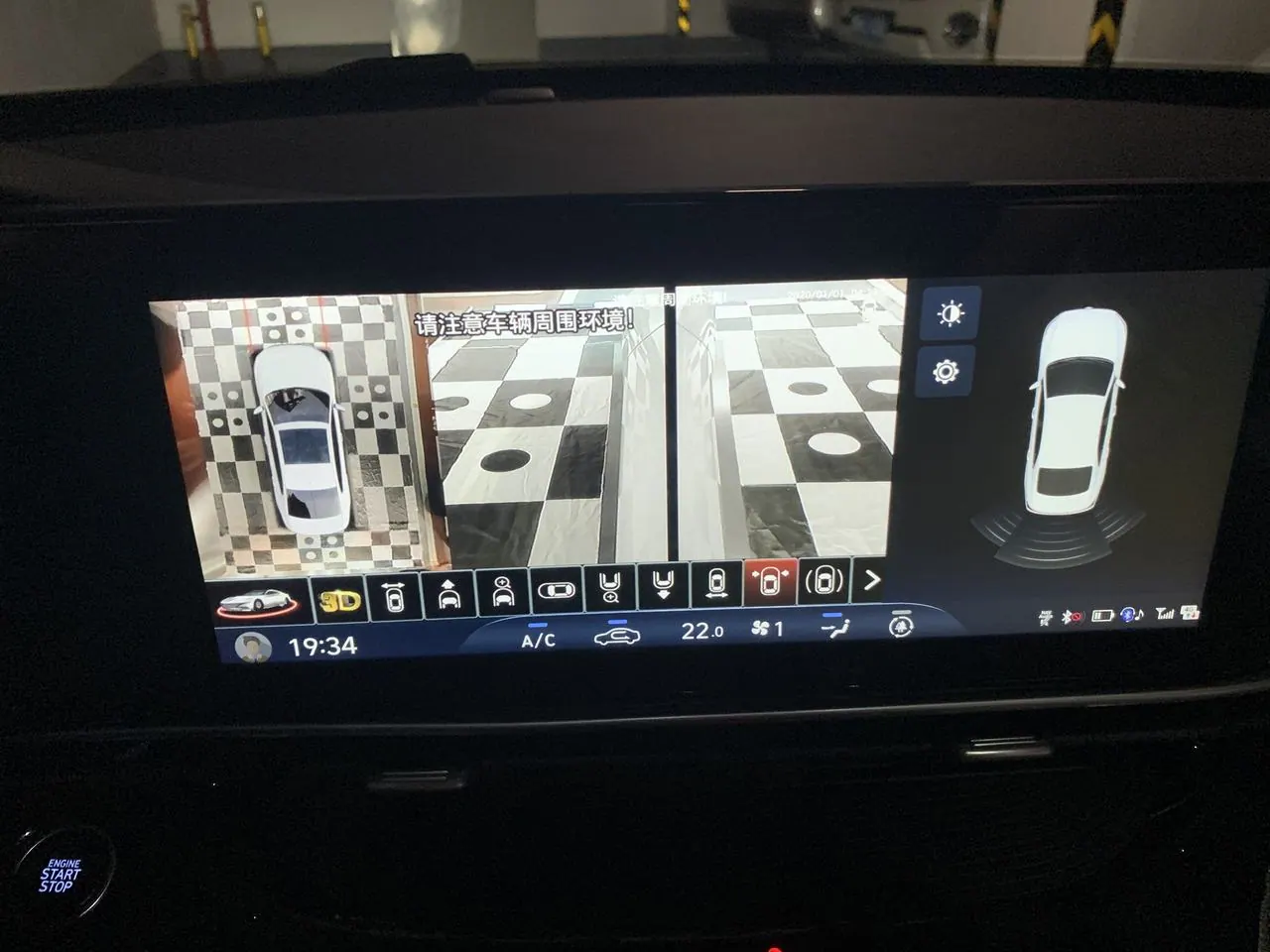
What bus operators actually need from cameras
- Incident evidence that stands up when a passenger claim or a collision is disputed — boarding, fare disputes and falls on the vehicle.
- Driver protection against false allegations, which is often the benefit operators value most, because it changes the outcome of a claim rather than preventing one.
- Nearside cyclist protection in urban service, now a regulatory requirement in several European cities.
- Fatigue and distraction management where the operator runs long shifts or night duties.
The compromise that trips most projects
A bus interior is a hostile environment. Cleaning crews use strong chemicals, often with a pressure washer, on a daily cycle. A camera that is merely water-resistant will fog, corrode and fail within a season. This is why the specification should start with the wash-down rating rather than with resolution.
A standard, repeatable bus layout
Front
One forward-facing camera at the driver, covering the door area and the forward view.
Aisle fore
One camera at the front of the ceiling looking aft along the aisle.
Aisle aft
One camera at the rear of the ceiling looking forward. The two aisle cameras overlap in the middle.
Platform / rear
One camera above the rear door or at the rear of the ceiling, covering boarding, the step and the reversing view.
Add a DMS unit on the A-pillar or dashboard where driver monitoring is required, and an exterior 150° nearside camera with BSD warning for urban cyclist protection.
Why two aisle cameras rather than one wide camera
A single wide camera at the front of the aisle produces severe foreshortening: passengers at the far end are tiny and their faces are not identifiable. Two cameras looking along the aisle from opposite ends keep the subject-to-lens angle reasonable over the whole length, which is what makes the footage usable as evidence.
Which housings
For daily pressure washing, specify the JPC-141 (24 LED, IP69K certified) or the JPC-139 (18 LED) in the aisle positions. For driver-facing and general interior positions, a tinted ceiling dome such as the JPC-107 or JPC-177 is less conspicuous and harder to tamper with.
Installation and policy notes
- Mount domes with tamper-resistant fixings. Passengers will reach them; the housing should survive that without breaking or being realigned.
- Seal ceiling penetrations properly. A bus ceiling flexes in service, and a waterproof camera on a leaking hole is still a rotten ceiling.
- Check the angle against standing passengers. A camera aimed for seated passengers looks at the back of the heads of anyone standing.
- Wire the platform camera to the reverse signal so it switches automatically.
- Address privacy in writing. Display a notice that recording is in use, publish a retention policy and restrict who can access footage. Operators who do this get fewer complaints and fewer access disputes.
What to measure after deployment
- Claim outcomes, not just claim counts. The value of bus cameras is usually in the claims resolved quickly because the footage exists.
- Time to retrieve footage. If it takes a depot engineer half a day, the system is under-specified. Remote 4G retrieval changes this.
- Camera uptime at each service interval. Bus cameras fail silently; build the check into the service sheet.
- Nearside warning events per 1,000 km in urban service, as a proxy for cyclist exposure.
- Driver fatigue alerts, with a review process attached. Alerts without follow-up simply irritate drivers.
Installations and production for this kind of vehicle
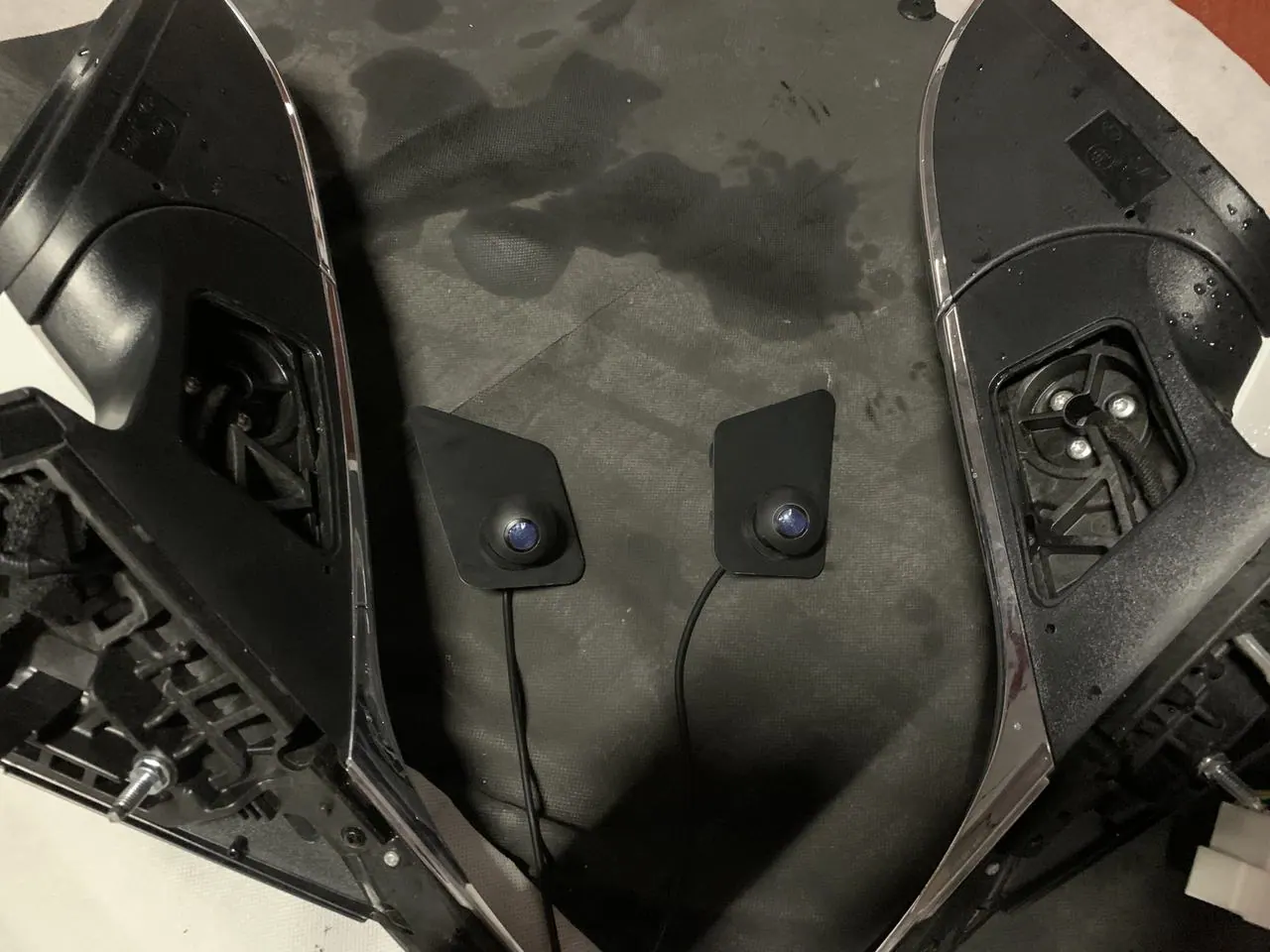
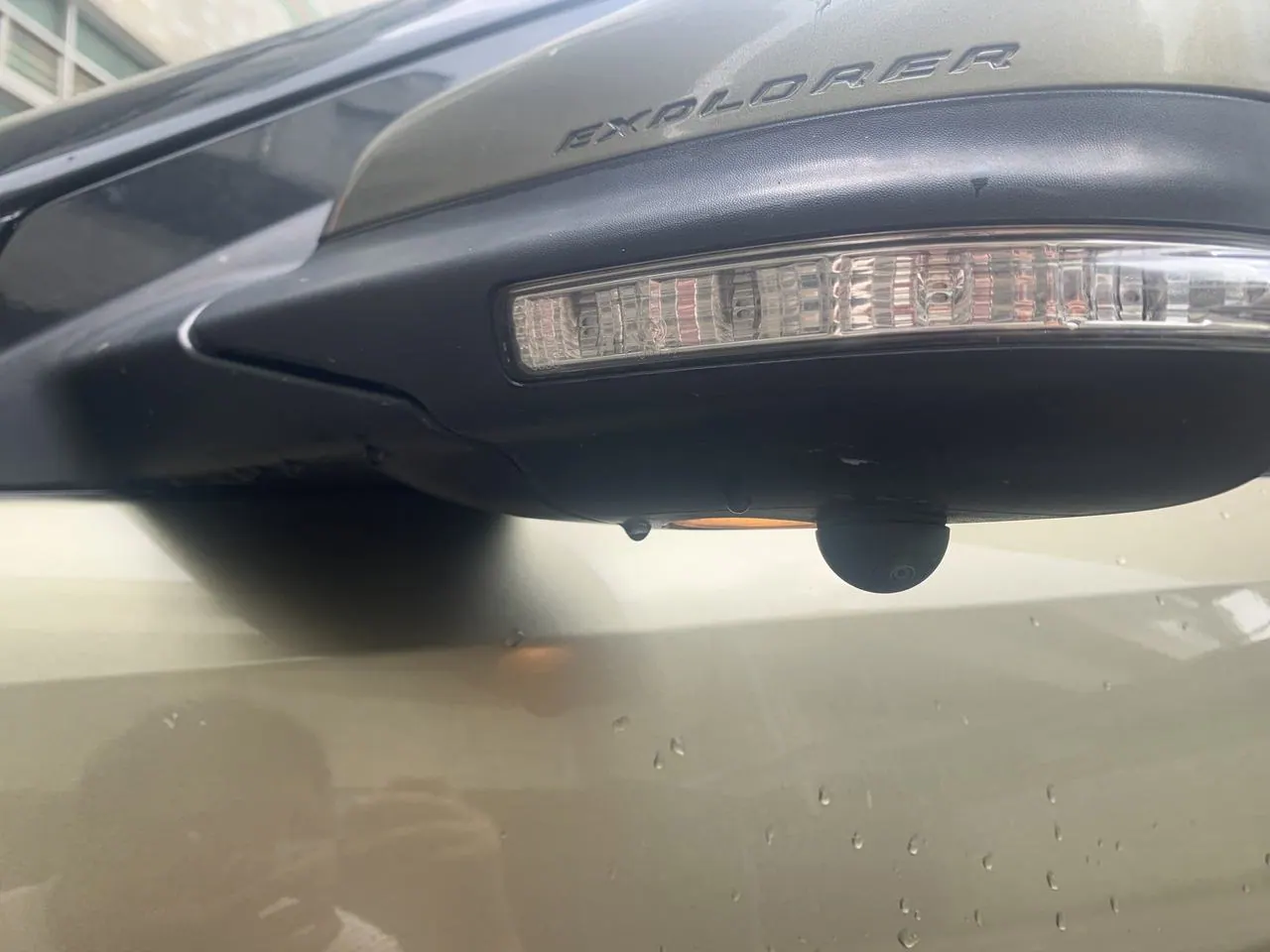
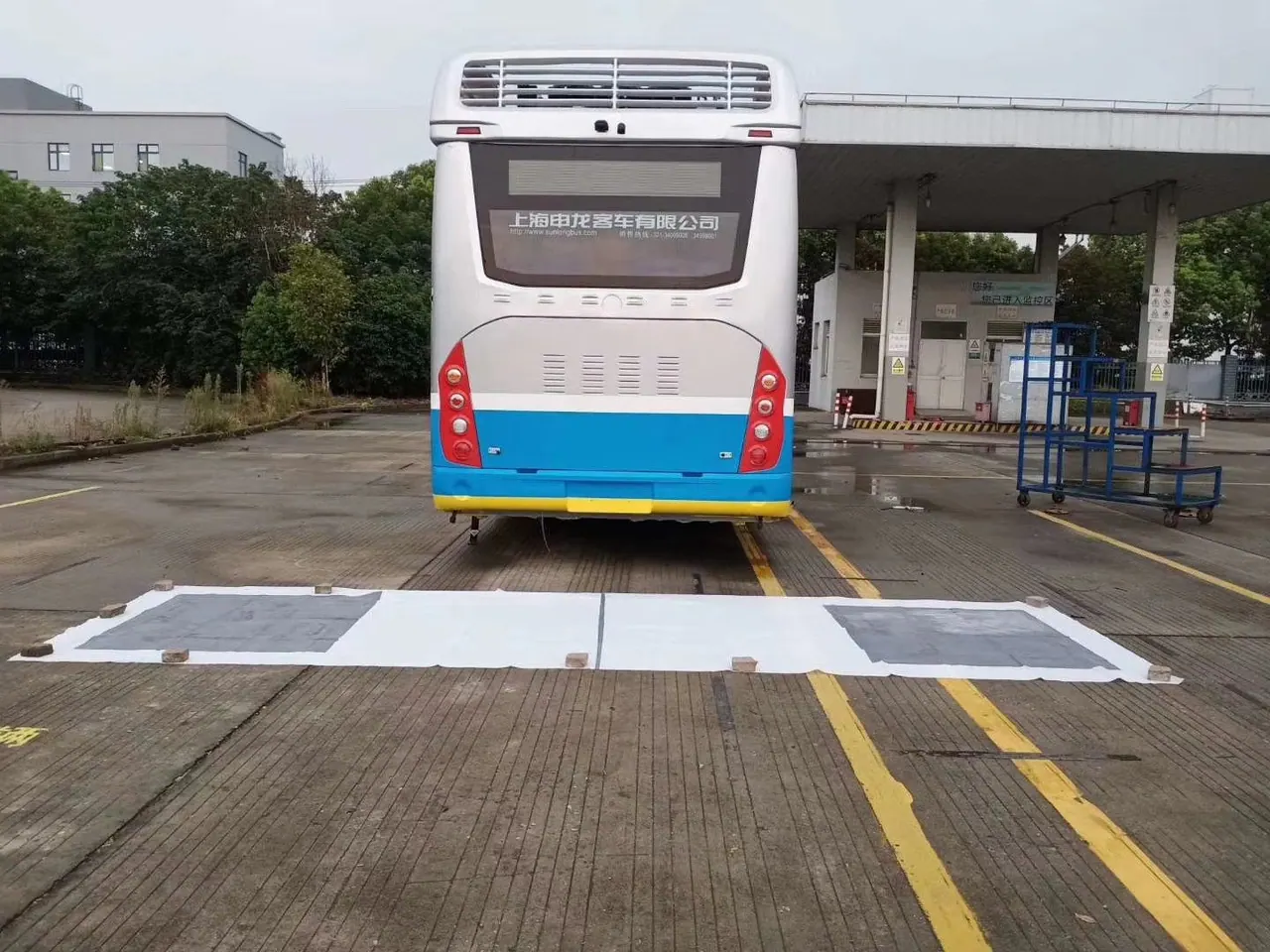
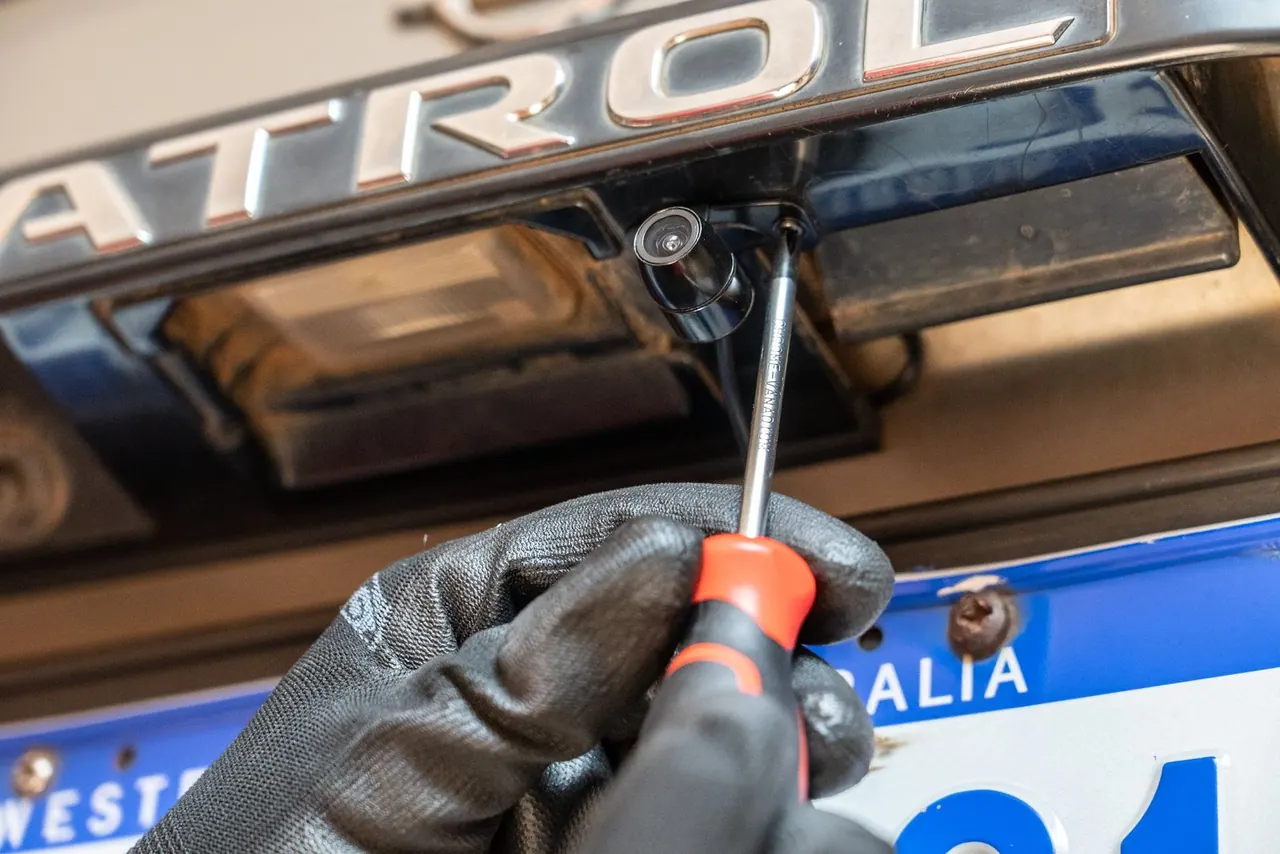
Photographs from installations and production runs on comparable vehicles — position, brackets and cable routing are the parts a specification sheet cannot show.
Ranges that appear in this configuration
Truck & Vehicle Cameras
Side, front, rear and interior cameras for trucks, buses, forklifts and specialist vehicles.
MDVR & Dashcams
Mobile DVRs and dashcams with GPS, 4G, WiFi and cloud alarm storage.
Vehicle Monitors
5 to 12.3 inch AHD monitors, single, split and quad view, mirror and waterproof types.
Related application notes
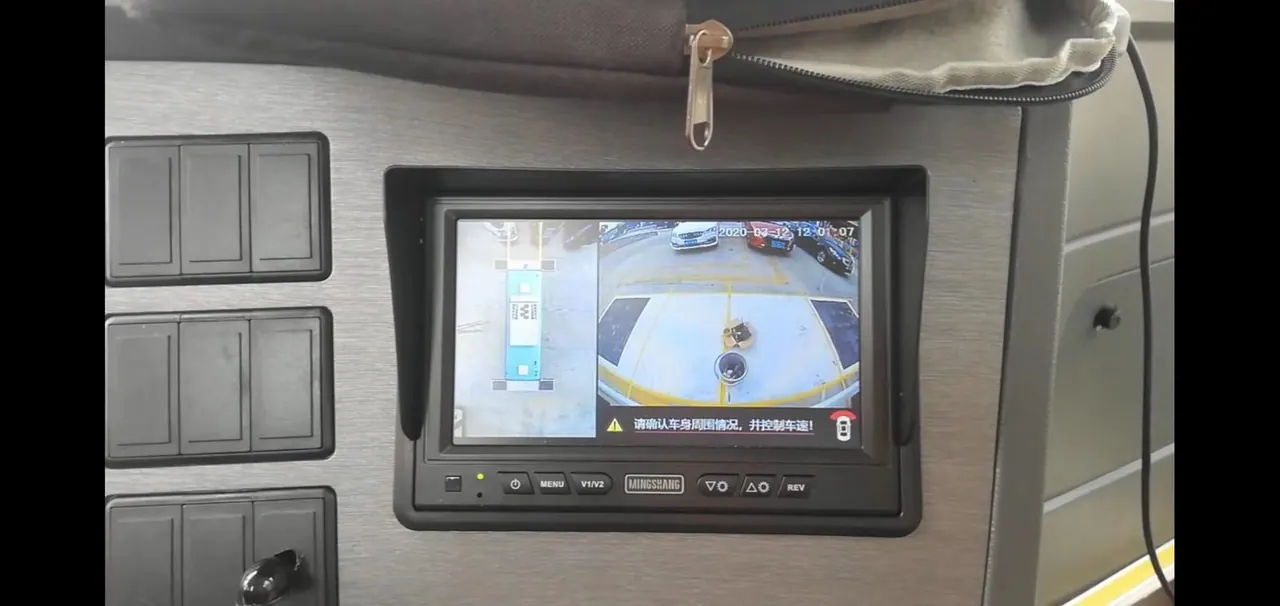
Near-Side Blind Spot Coverage for Rigid Trucks
A driver sitting 2.5 metres above the road cannot see the nearside area between the front wheel and the rear axle. This note sets out how to cover it properly with three or four cameras, and when to add an AI warning layer.
Camera Systems for Refuse and Municipal Vehicles
A refuse truck reverses down residential streets with two or three crew members walking around it. No other municipal vehicle has that risk profile, and no other vehicle needs cameras quite so specifically placed.
Running a Private-Label or OEM Camera Programme
If you sell under your own brand, the difference between a supplier and a partner is what they will change. This note sets out exactly what we customise, and what the process looks like from first enquiry to repeat order.
Looking for a reliable camera system supplier?
Tell us your vehicle type and application — we will recommend the right system and quote within 24 hours. Distributors and OEM/ODM projects welcome.