
Camera Systems for Refrigerated and Swap-Body Trailers
A trailer that detaches from its tractor cannot be cabled reliably. This note covers the wireless architectures that work for trailers and drop-and-hook fleets, and the cold-weather details that matter.
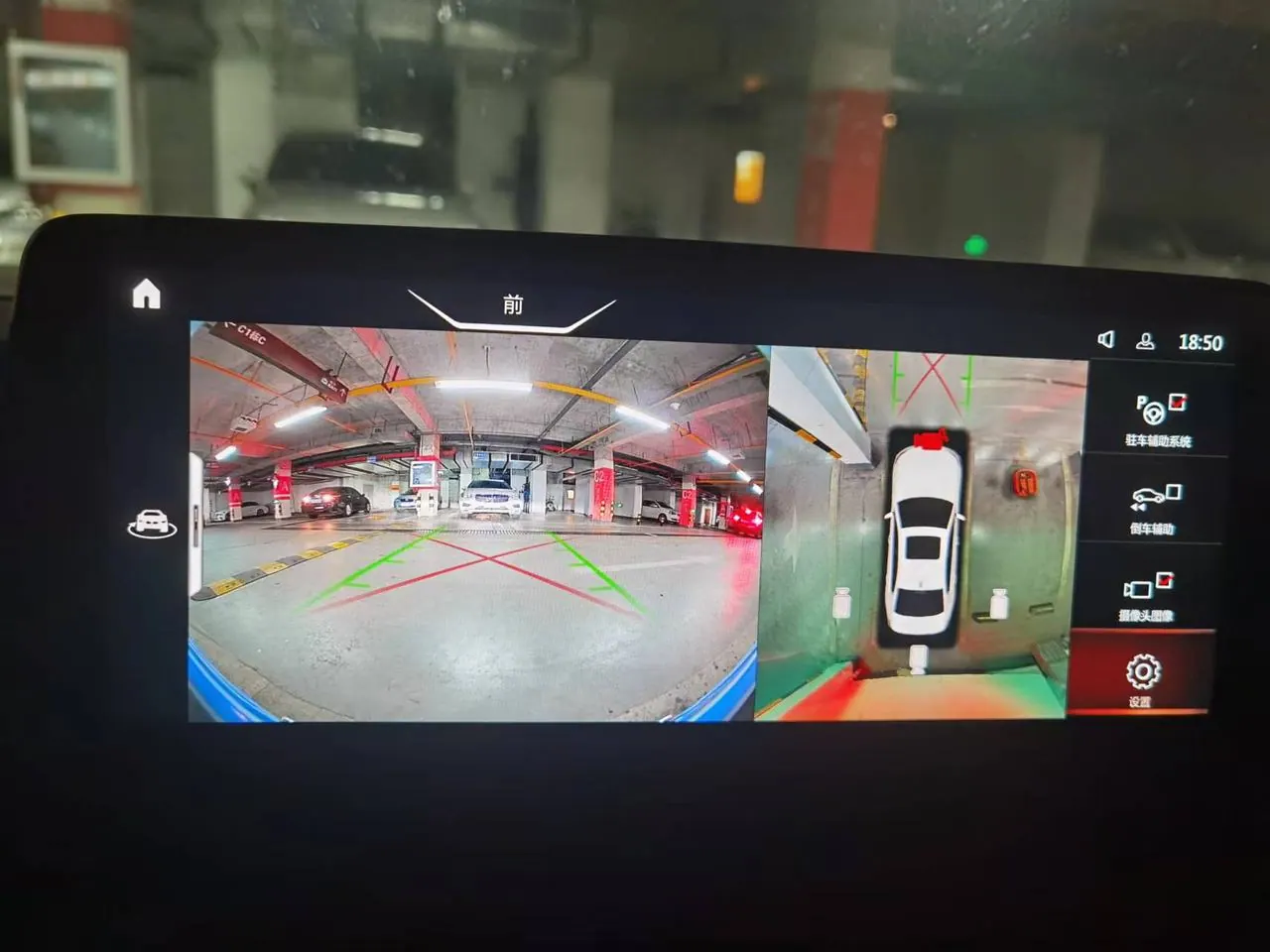
The trailer camera problem
A cable between tractor and trailer has to carry power and video across a coupling that is connected and disconnected several times a day. It gets crushed, stretched, dragged and exposed to road spray. The connector is the failure point, and it fails in a way that is hard to diagnose because the fault is intermittent.
Add refrigeration and the problem gets harder. Trailer electrical systems vary between models, some have no permanent auxiliary circuit, and the trailer may sit unpowered for days at a time in a yard.
Three architectures that work
Trailer-powered wireless
Camera and transmitter run from the trailer auxiliary circuit; receiver on the tractor. Best where trailer wiring is consistent.
Battery-powered wireless
Camera and transmitter run from a rechargeable pack, so the trailer needs no electrical connection at all. Best for swap bodies.
Fixed tractor camera
A long-range camera on the tractor rear that also takes in the trailer front. Cheapest, but does not cover the trailer rear.
Wired, per-fleet
Where a fleet runs fixed tractor-trailer pairings, a hard-wired link is still the most reliable option.
Pairing behaviour matters more than range
In a drop-and-hook operation the driver may couple to three different trailers in a shift. If re-pairing requires a technician with a laptop, the system will not be used. Both manual and automatic pairing are supported in our kits, and for fixed fleet assignments we recommend locking the pairing so that a neighbouring vehicle can never display the wrong trailer.
Cold-weather details
- Camera heating. Our stainless and thermal models include automatic lens heating, which matters in freezing conditions because the front glass will otherwise frost or fog while the trailer sits.
- Battery behaviour. Battery packs lose capacity in the cold. For winter operations, keep a spare charged pack in the cab and swap it at the start of the shift.
- Cable flexibility. Standard PVC cable becomes stiff and brittle below −15 °C. Where any cable is used on a refrigerated unit, specify a cold-flexible jacket.
- Refrigeration exhaust and condensate. Route everything clear of the condenser air stream — it carries water and heat exactly where you do not want either.
Installation notes
- Keep the transmitter clear of the refrigeration unit. Metal and moving air both reduce range, and the trailer body itself attenuates the signal.
- Mount the receiver on the tractor with a clear path towards the trailer. Under the chassis rail works better than tucked behind a mudguard.
- Fit a drip loop and a sealed connector even though the link is wireless — the camera still needs power, and that connection is still exposed.
- Label the pairing code somewhere the driver will find it, so a trailer swap can be resolved without a call to the workshop.
What to measure after deployment
- Time to couple a trailer — an indirect but reliable indicator of whether pairing is genuinely simple.
- Trailer camera availability at departure, tracked against the pre-departure checklist.
- Battery pack swap compliance in winter operations.
- Reversing incidents on bays and docks, which are the events trailer cameras most often prevent.
Installations and production for this kind of vehicle
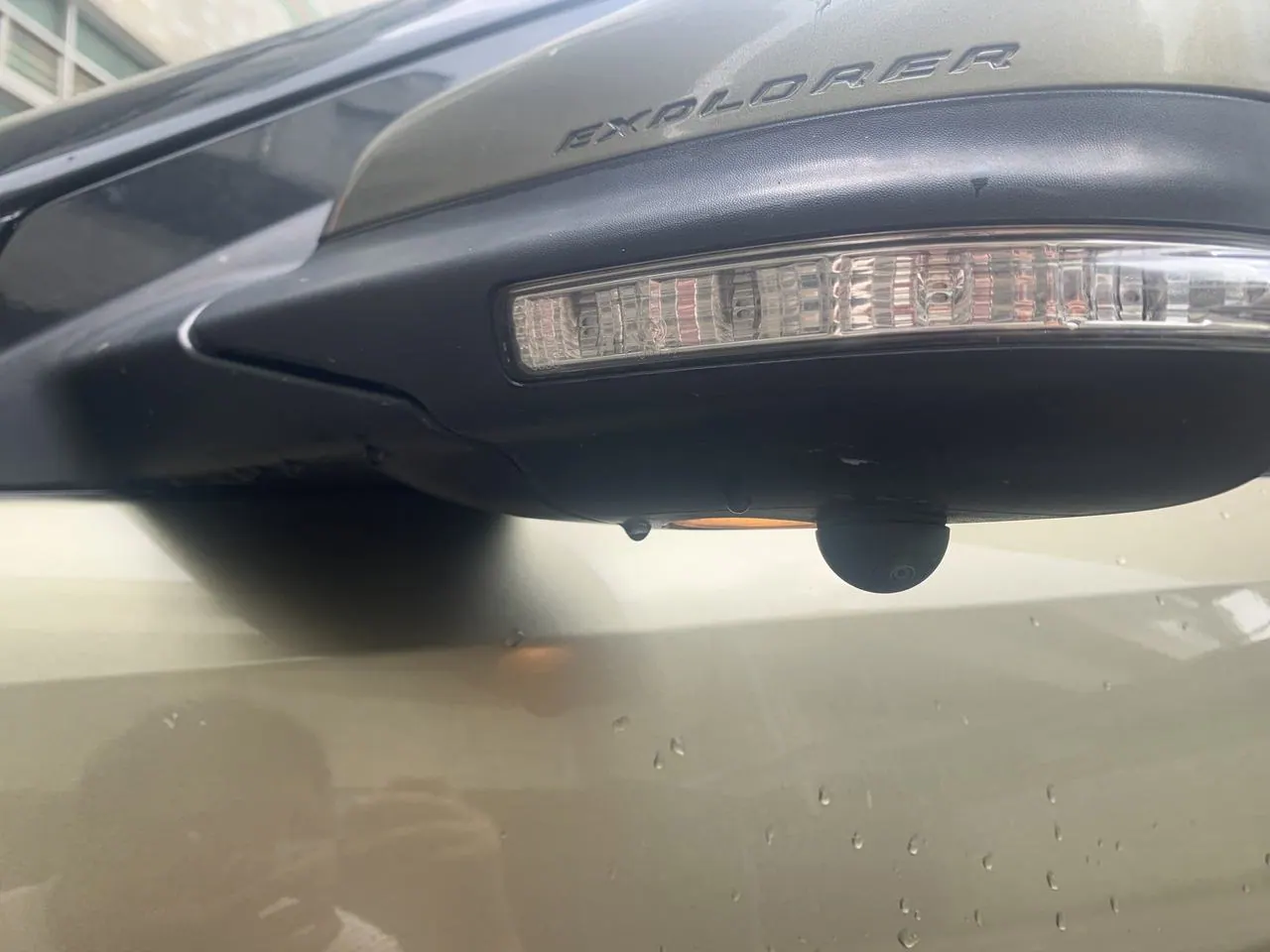
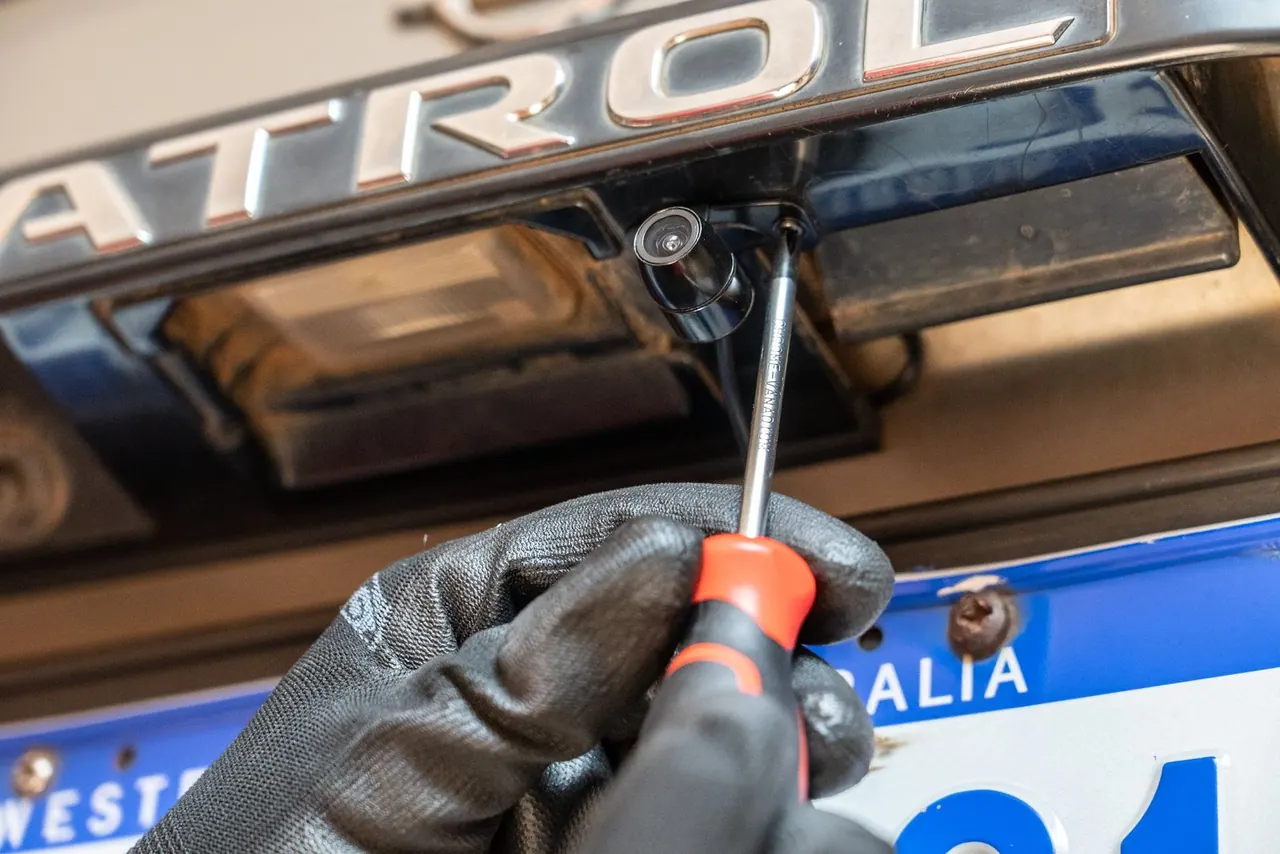
Photographs from installations and production runs on comparable vehicles — position, brackets and cable routing are the parts a specification sheet cannot show.

Ranges that appear in this configuration
Wireless Systems
Wireless camera links and battery kits for trailers, forklifts and machines you cannot cable.
Truck & Vehicle Cameras
Side, front, rear and interior cameras for trucks, buses, forklifts and specialist vehicles.
MDVR & Dashcams
Mobile DVRs and dashcams with GPS, 4G, WiFi and cloud alarm storage.
Related application notes
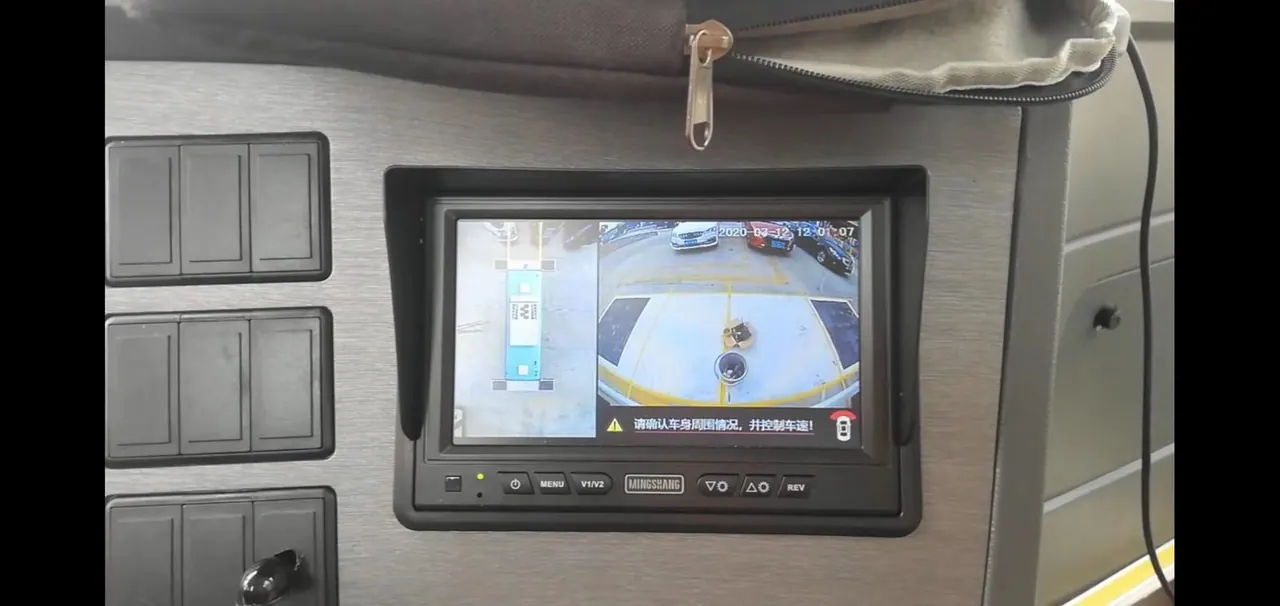
Near-Side Blind Spot Coverage for Rigid Trucks
A driver sitting 2.5 metres above the road cannot see the nearside area between the front wheel and the rear axle. This note sets out how to cover it properly with three or four cameras, and when to add an AI warning layer.
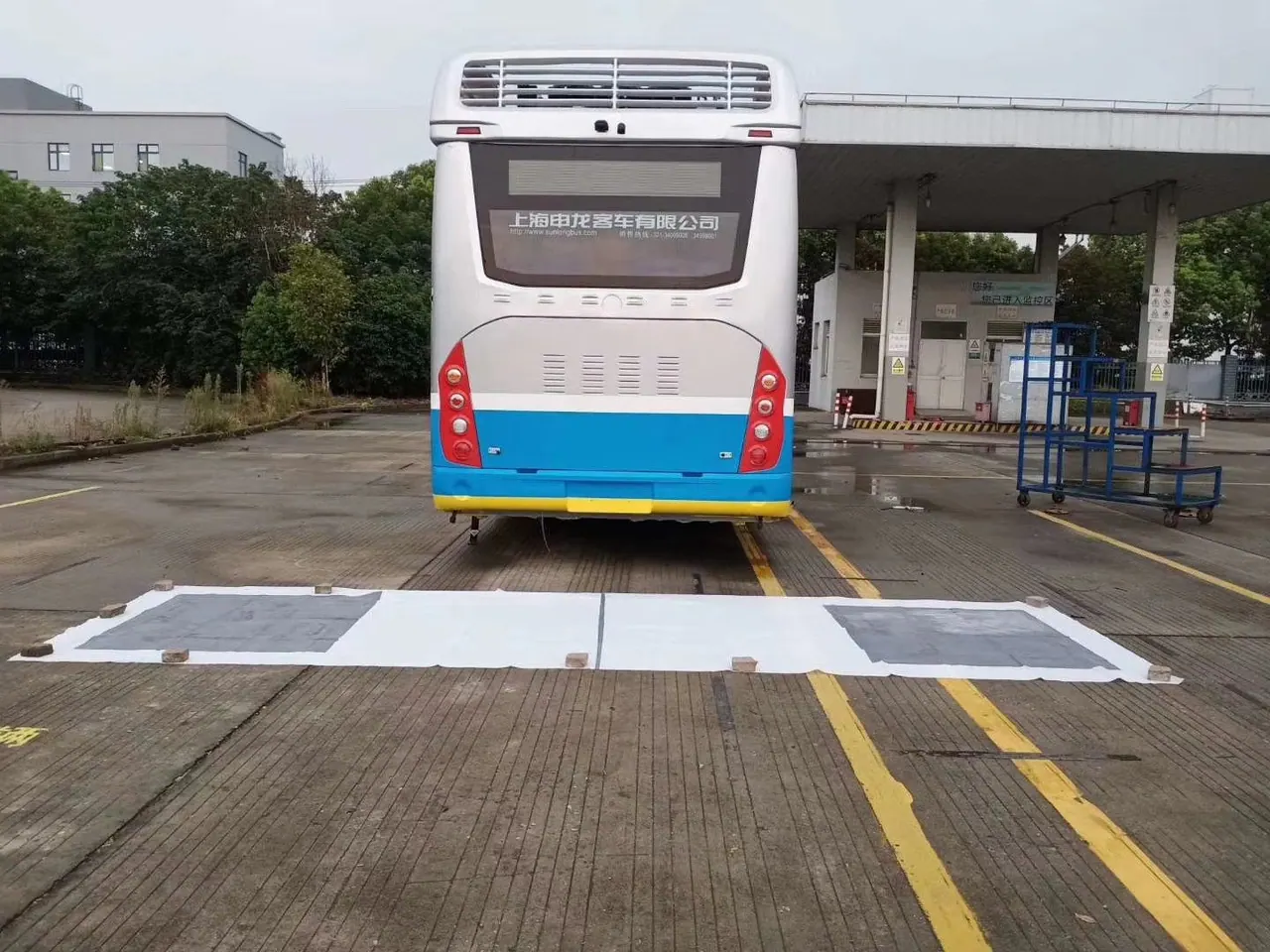
Explosion-Proof and Stainless Vision for Fuel and Chemical Transport
A camera on a fuel tanker has to survive two things at once: an atmosphere that corrodes aluminium and a classification that prohibits ordinary electrical equipment. Both constraints are addressable — but not with a standard truck camera.
Forklift and Yard Pedestrian Safety
Forklifts have the shortest stopping distance and the longest list of blind spots of any vehicle in a yard. Two cameras and a reverse alarm remove most of the risk at a fraction of the cost of an accident.
Looking for a reliable camera system supplier?
Tell us your vehicle type and application — we will recommend the right system and quote within 24 hours. Distributors and OEM/ODM projects welcome.