
Explosion-Proof and Stainless Vision for Fuel and Chemical Transport
A camera on a fuel tanker has to survive two things at once: an atmosphere that corrodes aluminium and a classification that prohibits ordinary electrical equipment. Both constraints are addressable — but not with a standard truck camera.
Two separate problems, often confused
- Corrosion is a materials problem. Hydrocarbon vapour, salt, fertiliser and acid all attack aluminium alloy. The first sign is pitting on the housing; the failure that follows is water ingress through the corroded seal face.
- Explosion risk is a classification problem. In a designated hazardous area, ordinary electrical equipment is not permitted regardless of how well it is sealed. The enclosure must be certified for the zone, and the certification documents are part of the product.
Specification by vehicle and area
| Application | Primary threat | Recommended housing |
|---|---|---|
| Fuel tanker, cab area | Corrosion, wash-down | JPC-171 coated metal or JPC-173 stainless |
| Fuel tanker, hazardous zone | Explosion classification | JPC-166 explosion-proof stainless |
| Chemical tanker | Acid and alkaline corrosion | JPC-173 304 stainless with heating |
| LPG / gas transport | Classification and cold | JPC-166 with automatic heating |
| Coastal depot vehicles | Salt spray | JPC-171 or JPC-173 |
| Loading gantry vehicles | Wash-down and impact | Stainless with protective cover |
Why automatic heating matters more here than elsewhere
A stainless housing stays cold, and a cold front glass attracts condensation from the warm, humid atmosphere around a product loading point. That is how a camera ends up fogged from the inside on a mild morning. The JPC-173 heating module clears frost and condensation automatically, switching on as the assembly approaches freezing and off once the lens is clear — no driver action required.
Installation in a hazardous area
- Use the certified barrier or gland specified for the zone. A certified camera connected through an uncertified gland is not a certified installation.
- Never cut a factory cable on a hazardous-area unit. Replace it with a correctly specified length from the factory instead.
- Bring the cable in from below wherever possible, with a drip loop, so water cannot track into the enclosure.
- Bond the housing where the site earthing specification requires it, and record it in the installation paperwork.
- Keep the certification documents with the vehicle file. Operators are regularly asked for them during audit.
What to measure after deployment
- Camera condition at each statutory inspection, photographed and filed. Corrosion is progressive and is much cheaper to catch early.
- Certification currency — confirm the documents on file still match the installed units.
- Seal integrity after wash-down, which is where the majority of failures begin.
- Image clarity in cold weather, as the direct measure of whether lens heating is functioning.
Installations and production for this kind of vehicle
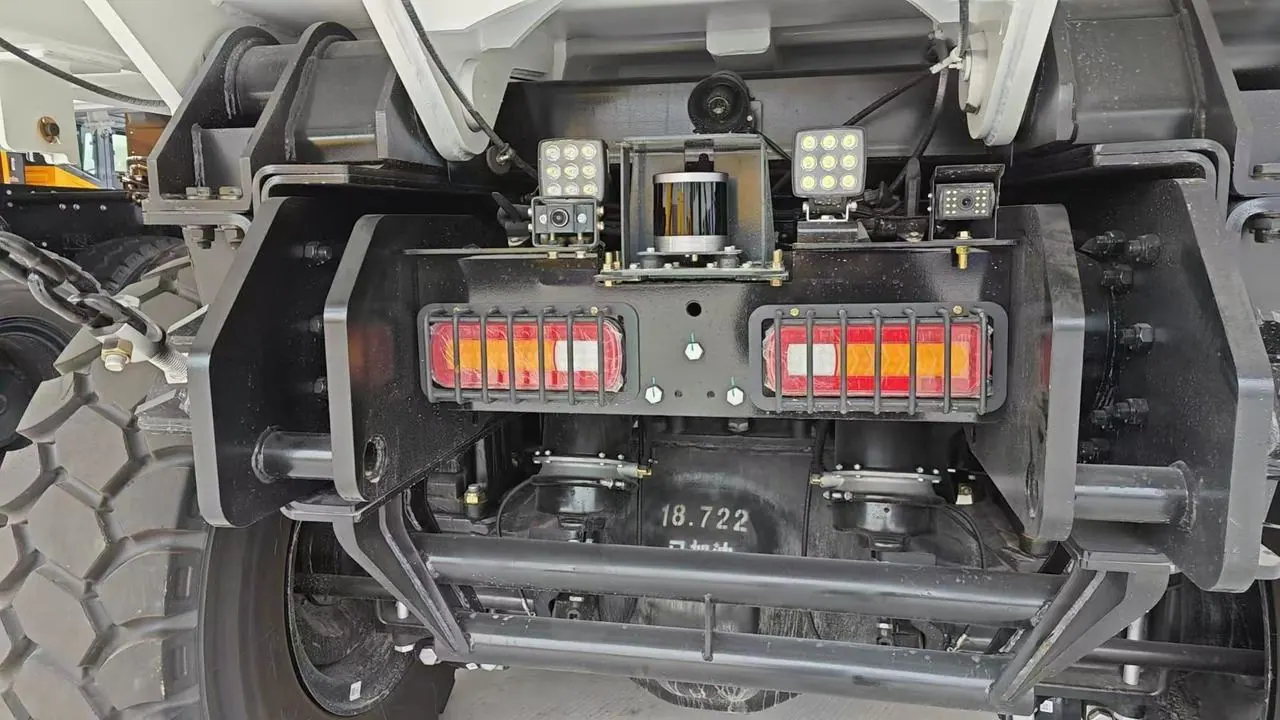
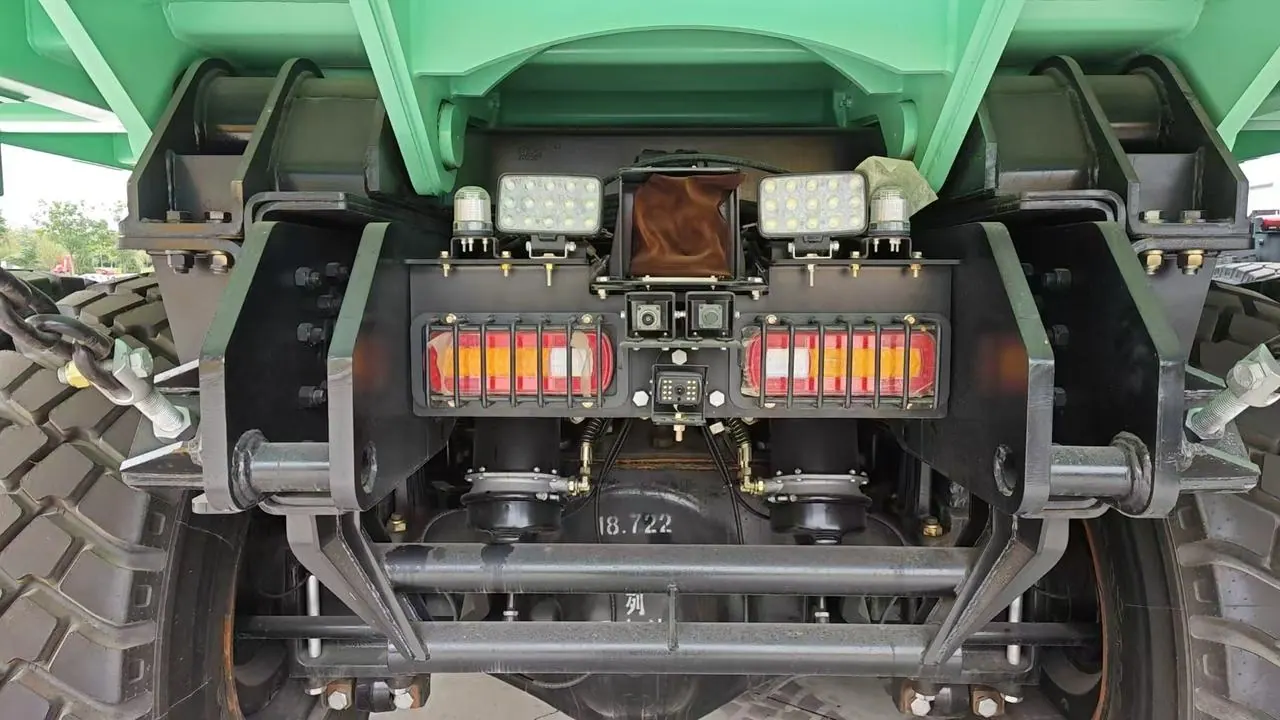
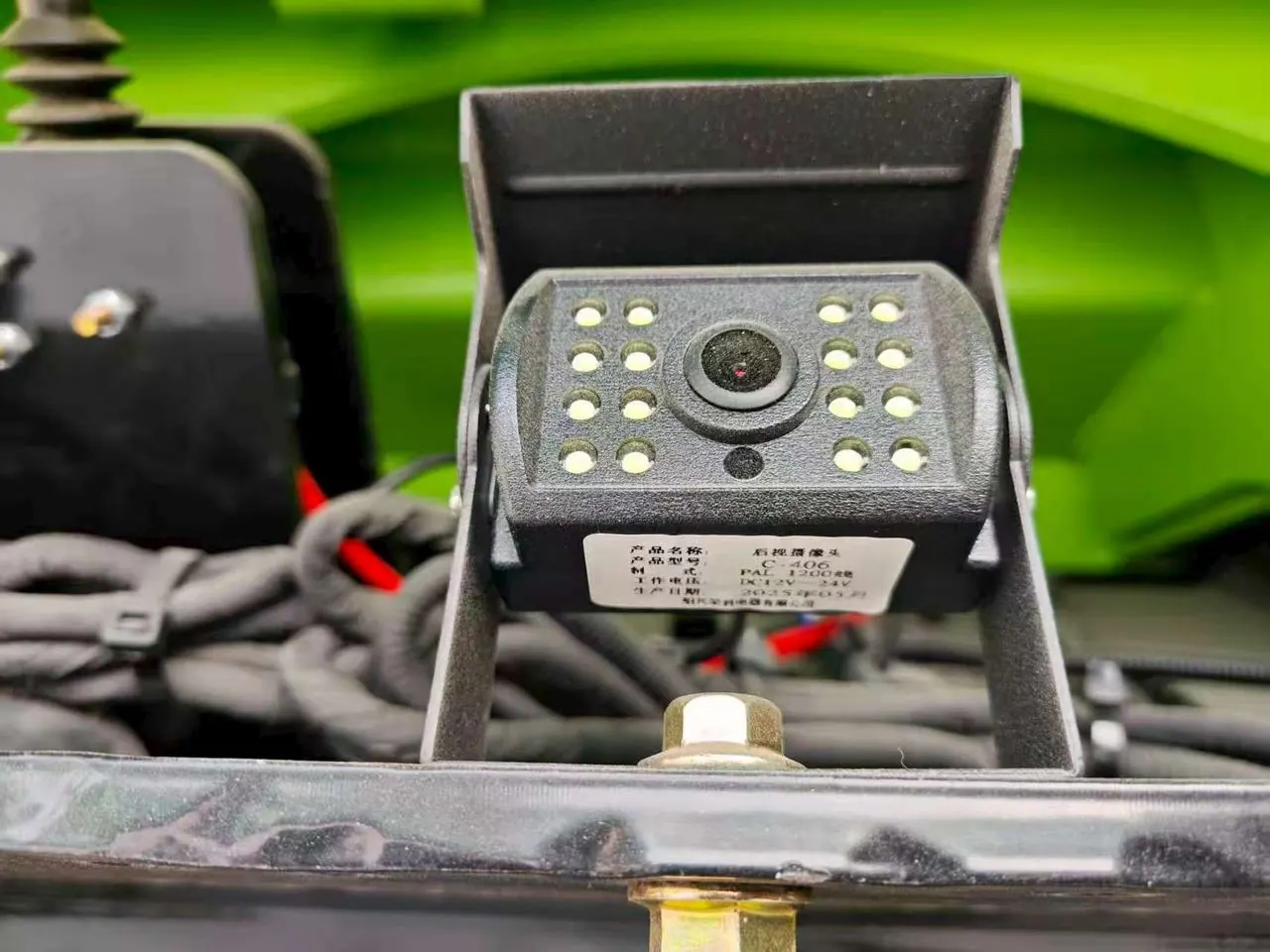
Photographs from installations and production runs on comparable vehicles — position, brackets and cable routing are the parts a specification sheet cannot show.
Ranges that appear in this configuration
Truck & Vehicle Cameras
Side, front, rear and interior cameras for trucks, buses, forklifts and specialist vehicles.
Thermal Imaging Cameras
Vanadium-oxide thermal cameras that detect people and vehicles in darkness, dust and smoke.
Related application notes
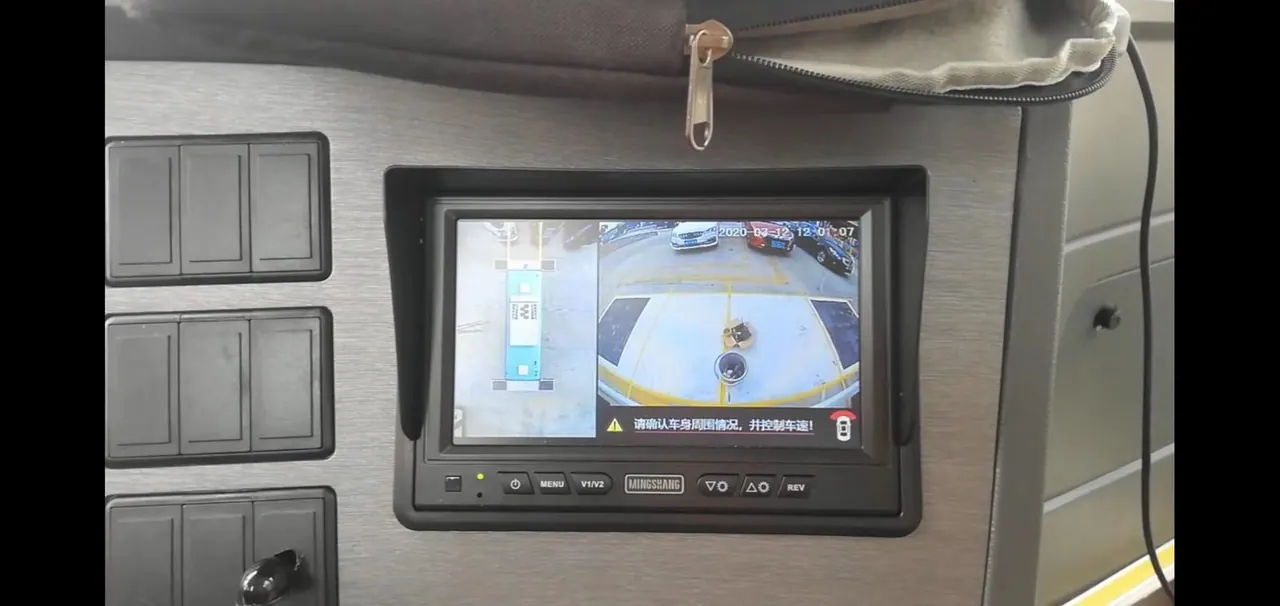
Vision Systems for Mining, Quarry and Construction Plant
On a quarry haul road the visibility problem is not darkness — it is dust, vibration and scale. The specification that works on a highway truck will not survive a season on plant.
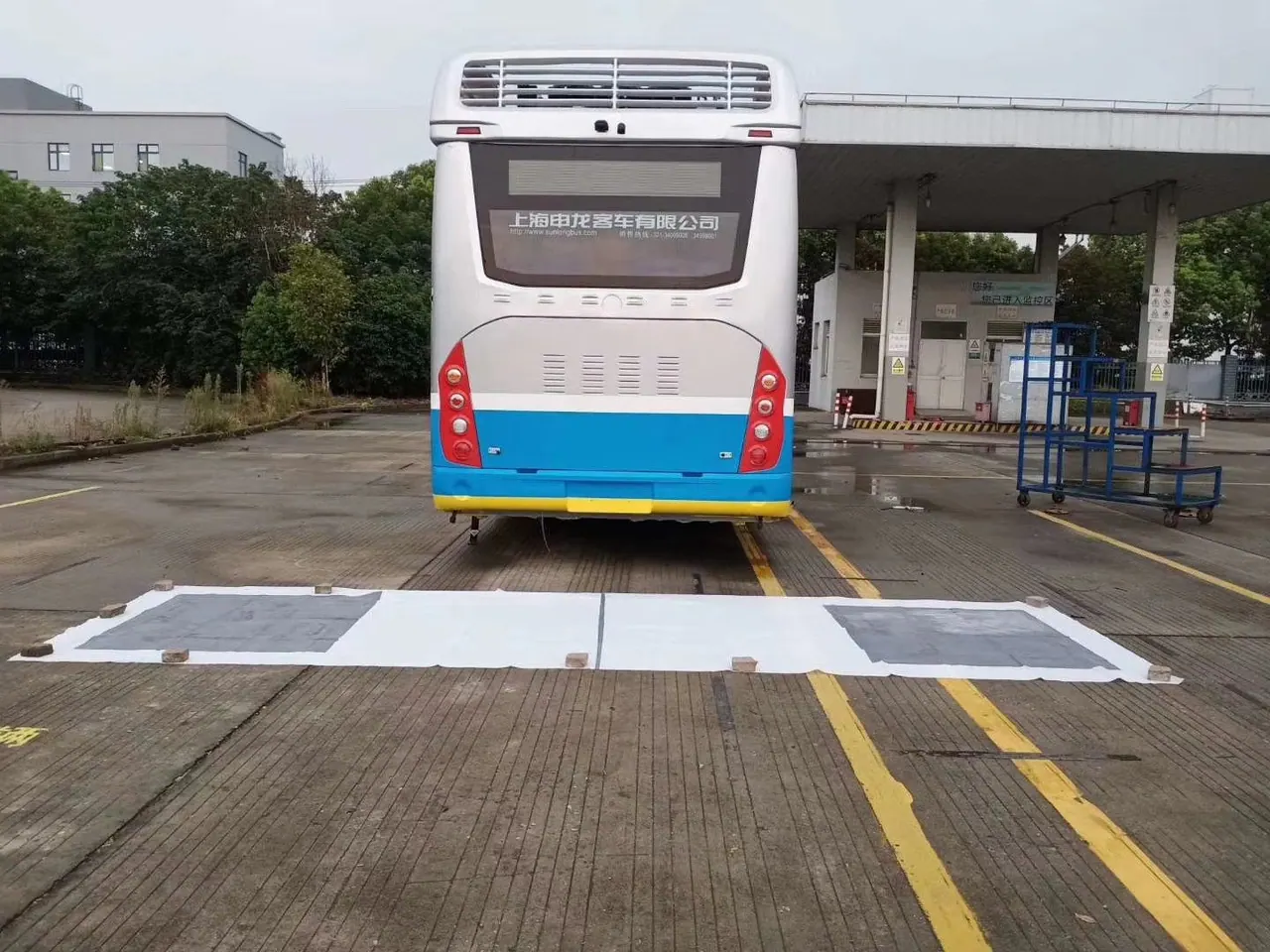
Camera Systems for Refrigerated and Swap-Body Trailers
A trailer that detaches from its tractor cannot be cabled reliably. This note covers the wireless architectures that work for trailers and drop-and-hook fleets, and the cold-weather details that matter.
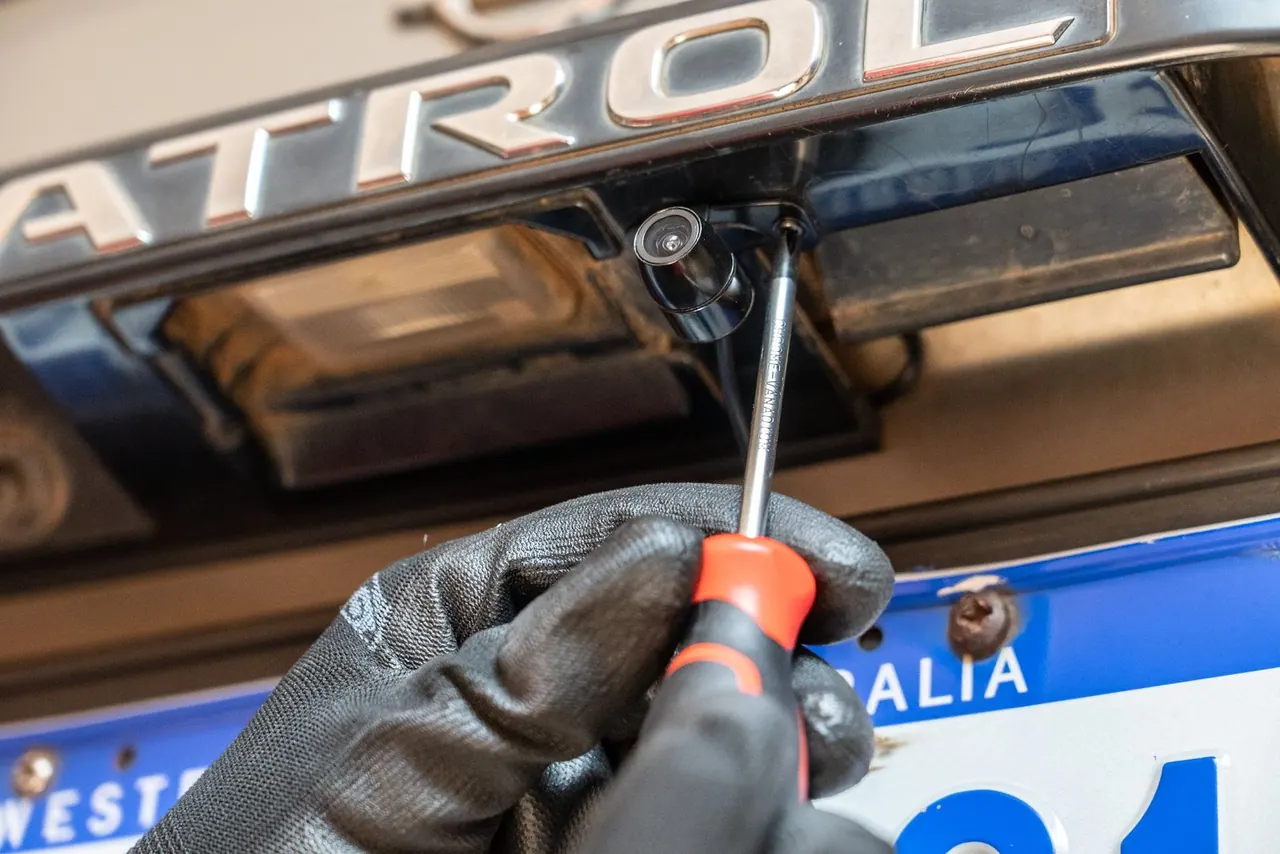
Near-Side Blind Spot Coverage for Rigid Trucks
A driver sitting 2.5 metres above the road cannot see the nearside area between the front wheel and the rear axle. This note sets out how to cover it properly with three or four cameras, and when to add an AI warning layer.
Looking for a reliable camera system supplier?
Tell us your vehicle type and application — we will recommend the right system and quote within 24 hours. Distributors and OEM/ODM projects welcome.