
04. Camera Sensor Guide: 2053, 8536H, 307 — What the Chipset Numbers Mean
Two cameras both labelled "1080P AHD" can look nothing alike on the same truck. The difference is in the sensor, the lens and the signal chain — all three are on the datasheet, if you know which lines matter.
Key takeaways
- Sensor size sets the ceiling on night performance before any other specification.
- Ask whether 1080P is native or interpolated; some 2K claims are 1080P upscaled.
- A BSI sensor collects roughly twice the light of an FSI sensor at the same pixel size.
- A metal lens barrel holds focus through a temperature cycle. A plastic one does not.
Sensor size: the specification that anchors everything
Sensor size is written as a fraction of an inch: 1/2.9", 1/3", 1/4". Bigger is better because each pixel has more area to collect light. At the same resolution, a 1/2.9" sensor will beat a 1/4" sensor in low light every time — the photosites are physically larger. When a supplier will not tell you the sensor size, that is usually the answer.
| Sensor size | Typical use | Low-light behaviour |
|---|---|---|
| 1/2.9" | Commercial truck and bus cameras | Good — the standard for fleet work |
| 1/3" | General-purpose cameras | Acceptable |
| 1/4" | OEM replacement and compact cameras | Weaker; rely on IR for night use |
Chipset naming: what "2053" means
Three kinds of number appear on these datasheets, and they are not interchangeable. 2053 is the image sensor — the GC2053, designed by GalaxyCore (格科微), a Chinese CMOS sensor maker. It is the chip that turns light into a signal, and it is not a Sony part. 8536H is the ISP and encoder — the Fullhan (富瀚微) FH8536H, which takes the sensor’s output, does the noise reduction, exposure and sharpening, and encodes the AHD signal that travels down the coax. The two work as a pair: a camera needs a sensor and a processing chip, and 2053 + 8536H is the standard 1080P AHD combination our cameras are built on. A number such as "307" names a different sensor — the Sony IMX307, a step up in low light, no longer produced, so treat any 307 quote as stock-dependent. What matters practically is not the number itself but three things that follow from it:
- The maximum genuine resolution. A platform that natively produces 1080P is better than one that interpolates to 1080P from a lower native resolution. Ask whether the resolution is native or interpolated — some suppliers quote 2K for what is a 1080P sensor with upscaling.
- The noise floor. Newer platforms produce less noise in low light, which means the IR image is cleaner and the camera does not have to apply aggressive noise reduction that smears detail.
- The feature set. Wide dynamic range, digital noise reduction and UTC control usually come with the platform rather than being separate parts.
The lens matters as much as the sensor
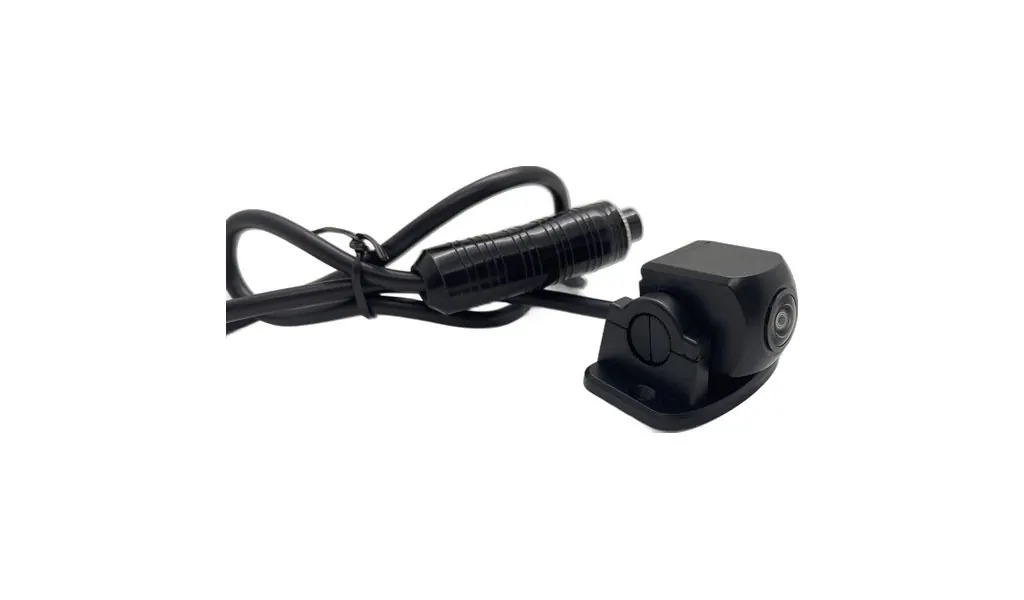
- Glass versus plastic. Glass elements resist scratching and thermal drift; plastic is cheaper and lighter. A glass-and-plastic hybrid lens — as used in our OEM replacement cameras, with Japanese Nidec elements — is a reasonable middle ground.
- Full metal barrel. A plastic lens barrel expands and contracts with temperature, which shifts focus. In a vehicle that sees −20 °C to +70 °C, that is a real effect. Metal barrels hold focus.
- Focal length. Given in millimetres. Shorter means a wider field of view and less reach; longer means the opposite. A 2.8 mm lens gives roughly 110°, a 6 mm lens roughly 50°.
- Aperture. A wider aperture (smaller f-number) lets in more light. It is not always published on vehicle cameras, but where it is, a smaller number is better for night performance.
WDR: wide dynamic range
WDR is the camera’s ability to hold a bright and a dark part of the scene at the same time. The classic case is a truck coming out of an underpass into sunlight, or a side camera with bright sky above and shadowed tarmac below; without WDR one end of the frame goes black or blows out. Here is the part the datasheets rarely admit: real WDR comes from the sensor, not from a menu setting, and the sensors that did it well (Sony IMX307, IMX662) have been discontinued. So our cameras are supplied without WDR as standard — when a job genuinely needs it, tell us at the quotation stage and we will say what is available and what it costs in low-light performance, instead of promising "D-WDR" that is only a processing effect. Saying so plainly has cost us orders; it has saved more of them from coming back.
IR-CUT filters and the pendulum mechanism
A colour sensor needs an infrared-blocking filter during the day, or colours shift and foliage looks wrong. At night, that filter has to move out of the way, or the IR illumination cannot reach the sensor. That mechanism is the IR-CUT filter.
Cheap cameras use a simple solenoid plunger that sticks. A pendulum IR-CUT, which is what our metal housings use, survives thousands of cycles and copes better with cold mornings. When a camera stays monochrome in daylight, or goes odd at dusk, it is usually a stuck IR-CUT filter — the single most common failure we see in low-cost units, and the reason we stopped quoting the cheapest ones.
A short datasheet checklist
- Sensor size and type — 1/2.9" colour CMOS or better for fleet work.
- Native resolution — is 1080P native or interpolated?
- Lens construction — glass, metal barrel, stated focal length and angle.
- Minimum illumination — quoted in lux; lower is better, and 0 Lux with IR means the IR works.
- WDR and noise reduction — present, and digital or optical.
- IR-CUT mechanism — pendulum is preferable to solenoid.
- Operating temperature — must span the operating climate with margin.
- Certification — CE, RoHS, FCC or E-mark as the market requires.
Two lines of that checklist deserve their own reading: purple images in daylight is what a marginal or stuck IR-CUT filter looks like in practice, and motion blur at night is the exposure half of the same argument. The truck camera range shows how the sensor and chipset pairing is quoted in a real specification.
Frequently asked questions
What is the difference between 2053 and 8536H?
They are two different chips doing two different jobs. 2053 (GC2053) is the image sensor, made by GalaxyCore — it converts light into a signal, and it is not a Sony part. 8536H (FH8536H) is the ISP and encoder, made by Fullhan — it processes that signal and produces the AHD output on the coax. A camera needs both, which is why they are quoted together. The Sony parts in this class are the IMX307 and IMX662, both discontinued.
What does "2MP" mean on a camera datasheet?
Two megapixels, which is 1920 × 1080 — the same thing as 1080P. The terms are used interchangeably and both refer to the sensor’s pixel count, not to any particular image quality.
Why does my camera show black and white during the day?
The IR-CUT filter is stuck in the open position, which is usually a mechanical failure in the filter mechanism or a solenoid that has seized. It is more common in low-cost cameras and in units exposed to extreme cold.
Related articles
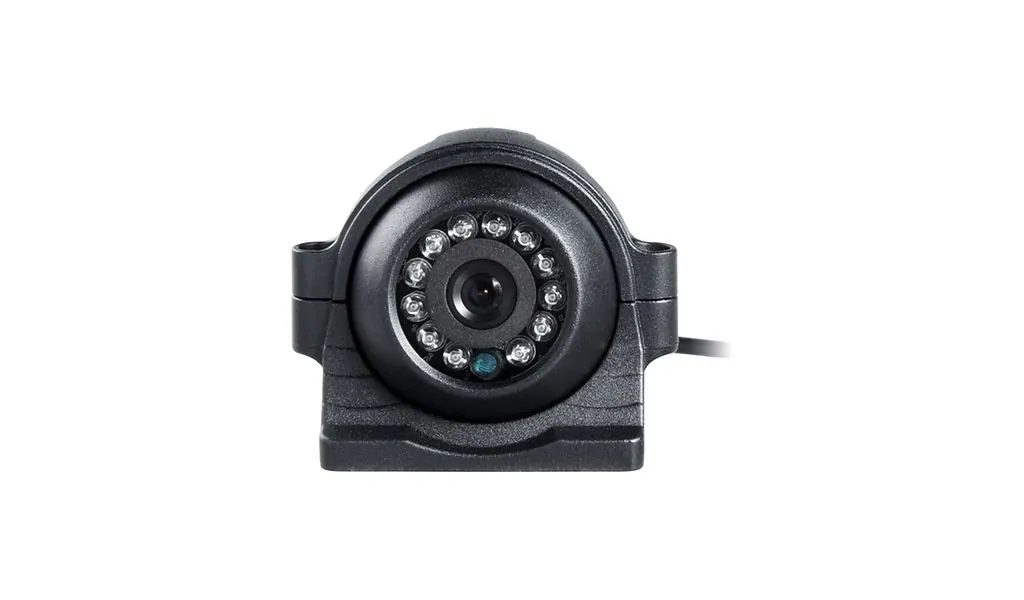
06 Night Vision for Commercial Vehicles: How to Read Lux and IR Specifications
How infrared night vision works on vehicle cameras: lux ratings, 650 versus 850 nm LEDs, IR range, backscatter and why housing design decides image quality.
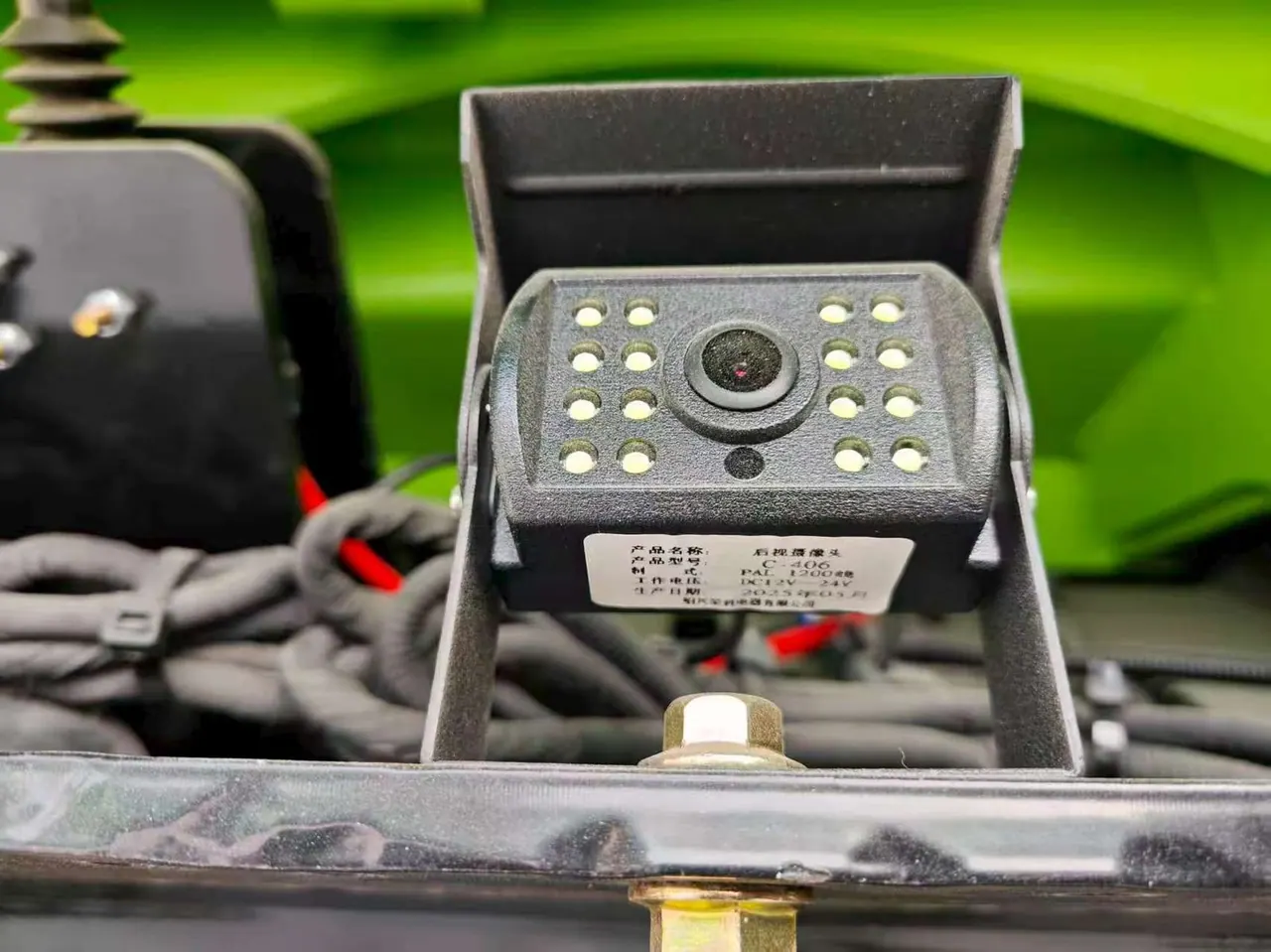
01 How to Choose a Truck Camera: The Complete Buyer's Guide
A practical guide to specifying commercial vehicle cameras: position, resolution, viewing angle, night vision, waterproof rating and connector type.
03 AHD vs IP vs CVBS: Which Video Standard for a Vehicle Fleet?
AHD, IP and CVBS compared for commercial vehicles: resolution, cable distance, latency, cost, recording quality and which standard suits which installation.
Looking for a reliable camera system supplier?
Tell us your vehicle type and application — we will recommend the right system and quote within 24 hours. Distributors and OEM/ODM projects welcome.