
Guides Written for Buyers, Not for Search Engines
Every article below answers a question our engineering team is asked repeatedly by distributors, fleet engineers and installers. They are deliberately specific about numbers, because vague specifications are what cause expensive mistakes.
Camera knowledge

02 How Far Will a Camera Actually See? Focal Length, Sensor Size and Field of View, Worked Out
Focal length, sensor size and field of view worked out: how far a camera sees, what lens reads a plate at 10 m, and the mounting blind strip.
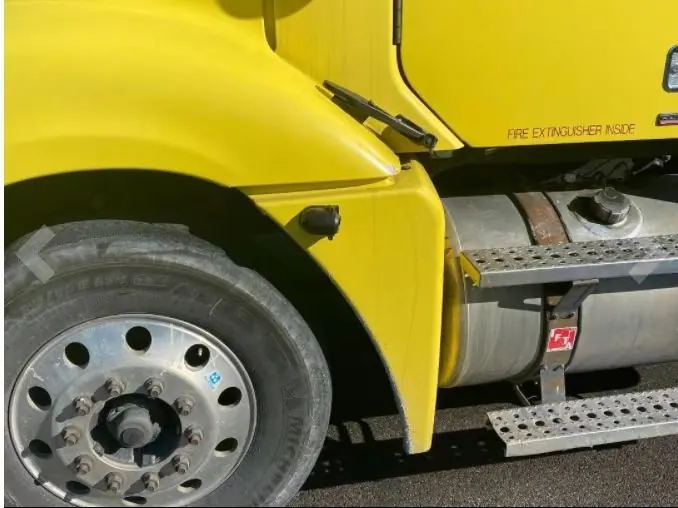
03 AHD vs IP vs CVBS: Which Video Standard for a Vehicle Fleet?
AHD, IP and CVBS compared for commercial vehicles: resolution, cable distance, latency, cost, recording quality and which standard suits which installation.
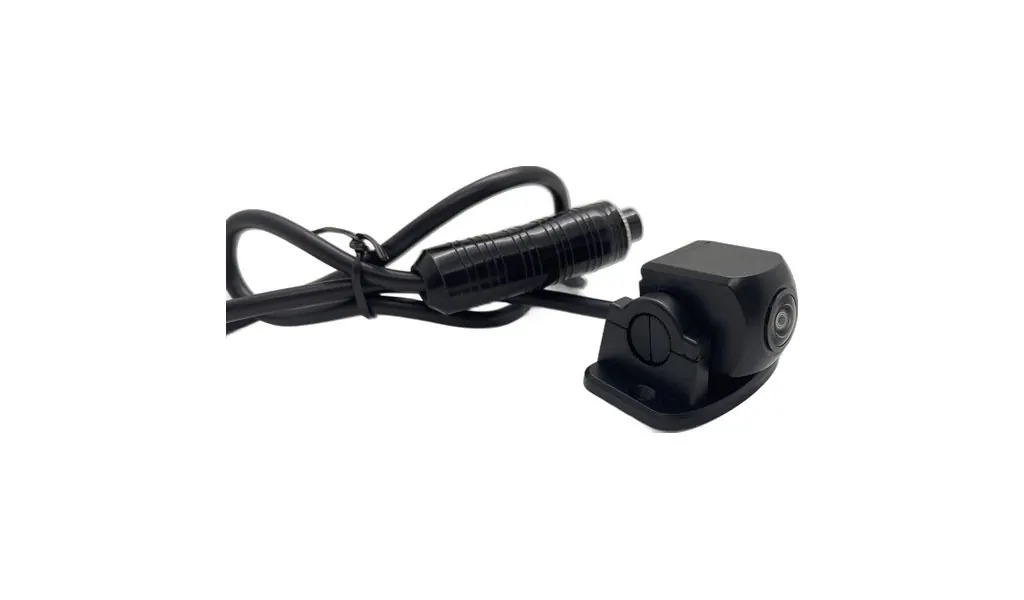
04 Camera Sensor Guide: 2053, 8536H, 307 — What the Chipset Numbers Mean
How to read a vehicle camera datasheet: sensor size, what chipset numbers such as 2053, 8536H and 307 actually mean, lens construction, WDR and IR-CUT filters.
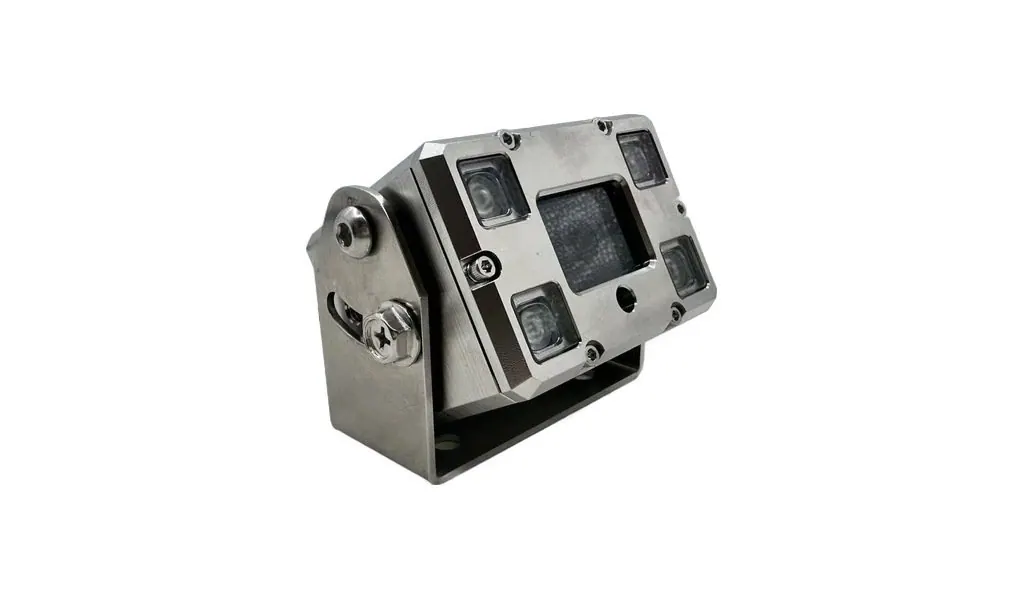
05 IP69K vs IP68 vs IP67: What Vehicle Camera Ratings Really Mean
What IP ratings actually test, why IP68 and IP69K are not comparable, why IP69K matters for pressure-washed fleets, and what the rating does not cover.
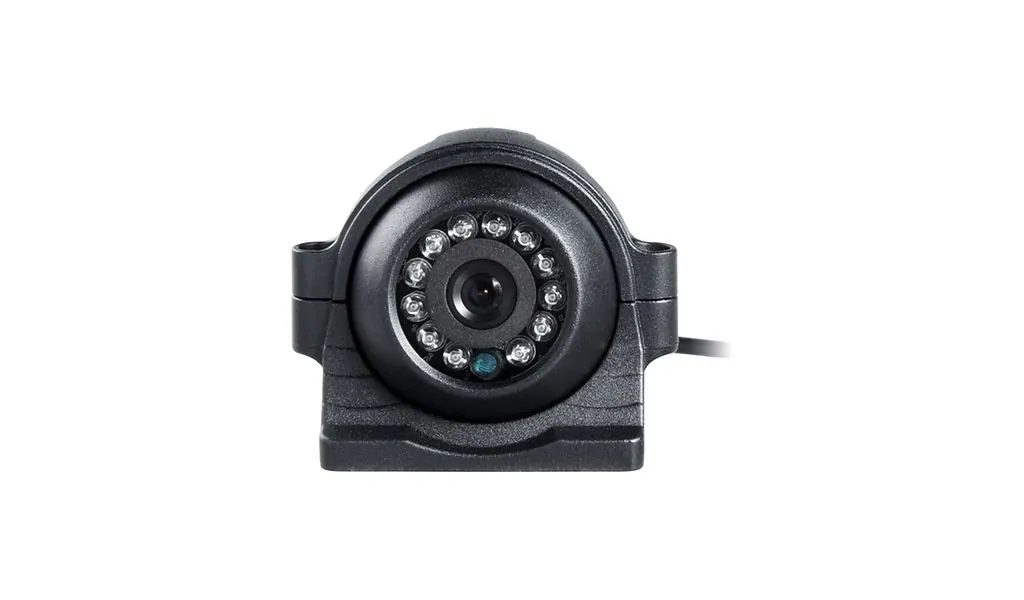
06 Night Vision for Commercial Vehicles: How to Read Lux and IR Specifications
How infrared night vision works on vehicle cameras: lux ratings, 650 versus 850 nm LEDs, IR range, backscatter and why housing design decides image quality.
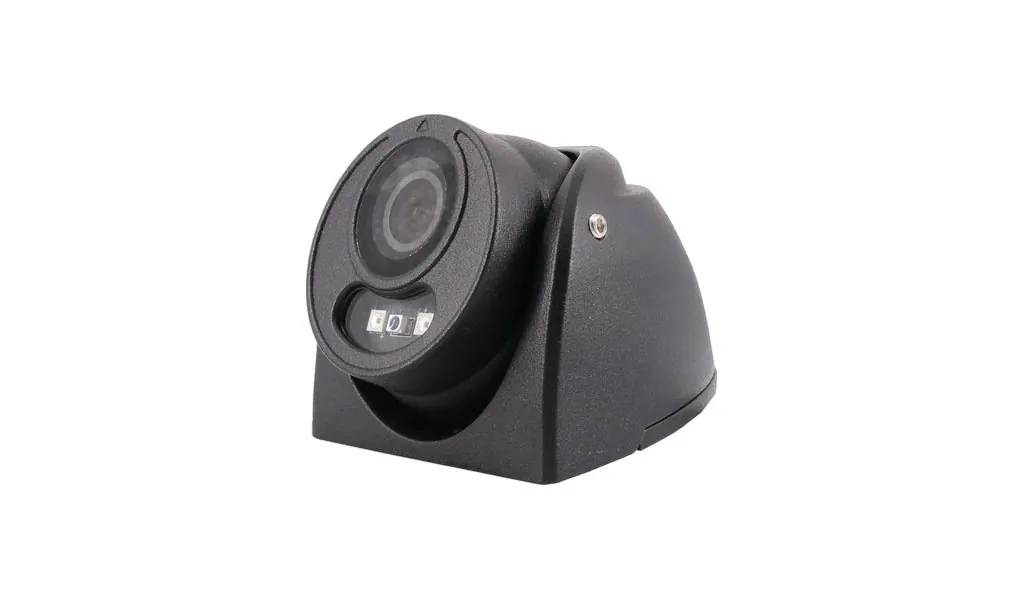
07 Why Night Video Smears When the Vehicle Moves — And How to Specify Around It
Motion smear on vehicle cameras comes from exposure time, not a fault. How shutter speed, noise reduction and frame rate blur a moving night image.
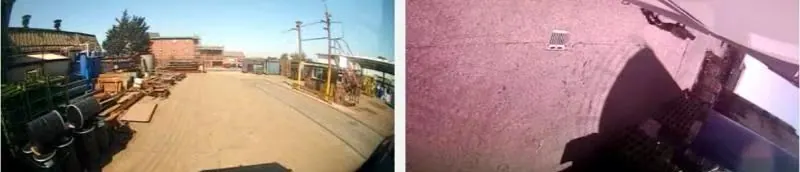
08 When a Vehicle Camera Goes Purple: The Conditions That Cause It
Purple or magenta video is not a random fault. It appears only under a specific set of conditions — what has to be true first, how to tell the five conditions apart, and the tests that reproduce each one.
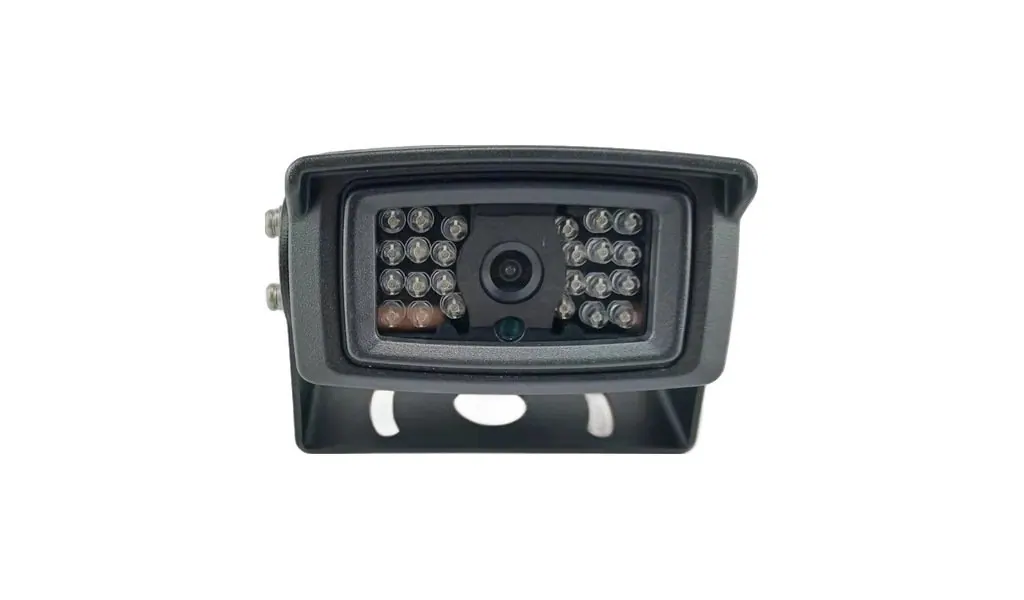
09 LED Flicker and Banding in Vehicle Video: Why Traffic Lights Strobe on Recordings
Why LED traffic lights and billboards strobe or band in vehicle video, why it matters for evidence, and what LED flicker mitigation changes.
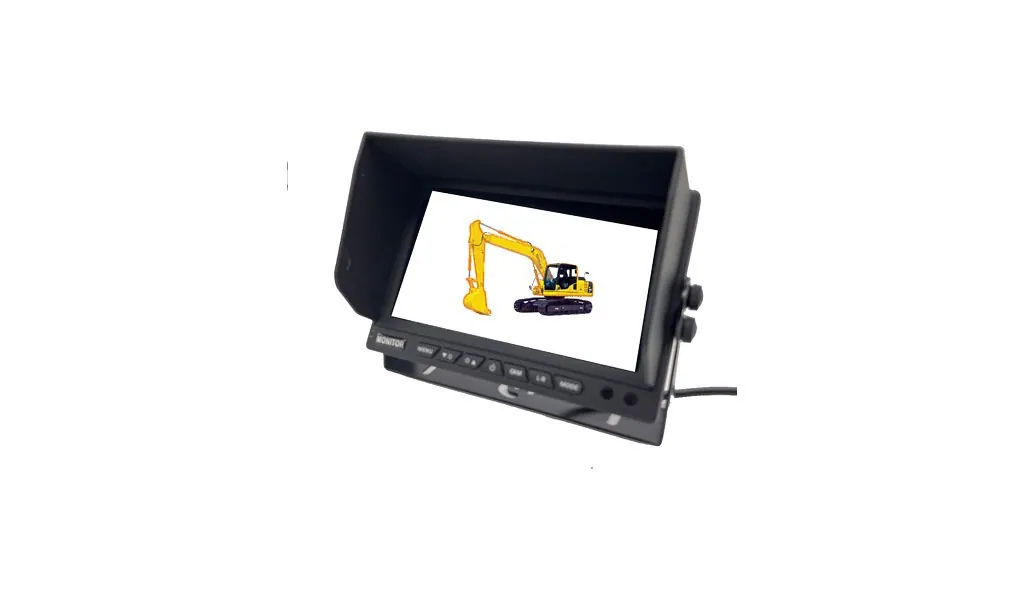
10 Camera Latency by Interface: Why a Reversing Camera Must Never Be an IP Camera
Typical latency for LVDS, AHD, USB and IP video, how far a truck travels while the image arrives, and which interface suits each duty.
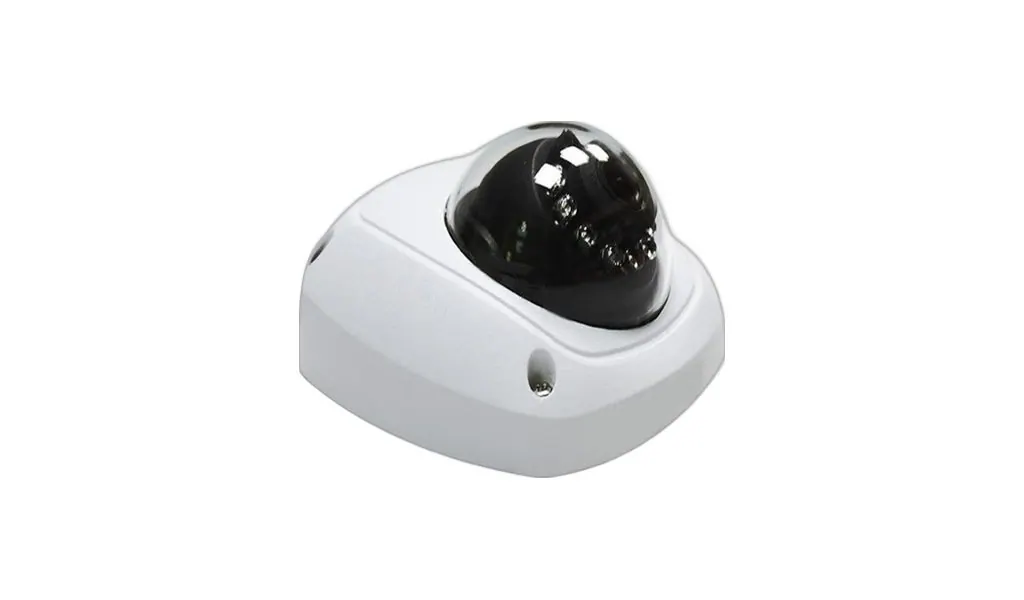
11 25, 30, 50 or 60 fps: What Actually Limits a Vehicle Camera’s Frame Rate
Why a camera that can run at 60 fps ships at 25, what the analogue and processor limits are, and how to check a frame rate claim.
Monitor & recorder knowledge
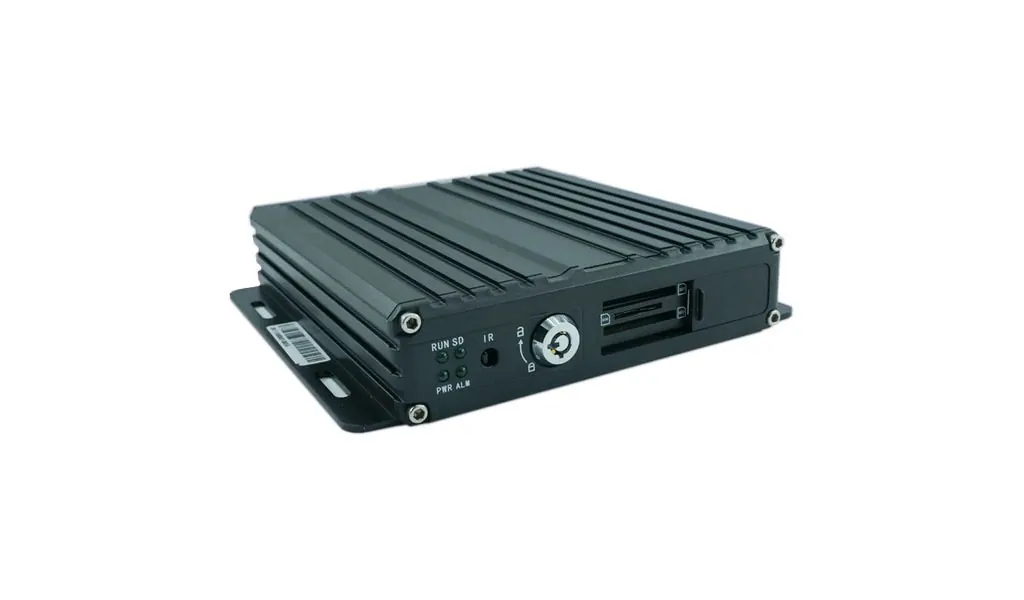
12 MDVR Buying Guide: How to Specify a Mobile DVR
How to choose a mobile DVR: channel count, SD versus hard drive, H.264 versus H.265, GPS and 4G, temperature ratings, UPS power and how much footage to keep.
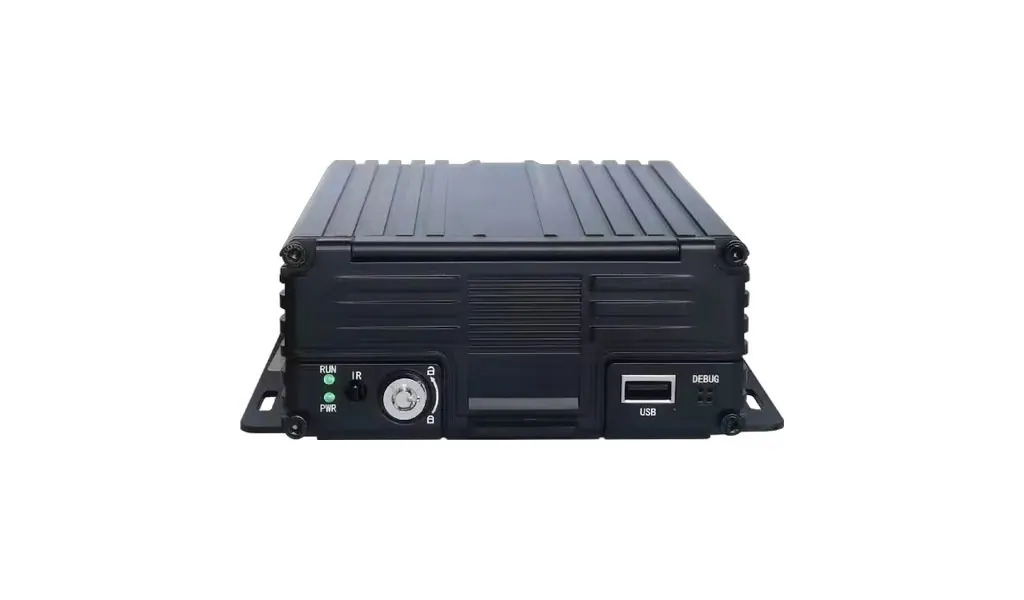
13 The Wiring Mistake That Kills Monitors in MDVR Installations — And the Zero-Cost Fix
Why monitors fail months after an MDVR installation: power feed through the shared aviation cable, and the wiring change that isolates the two.
Safety systems
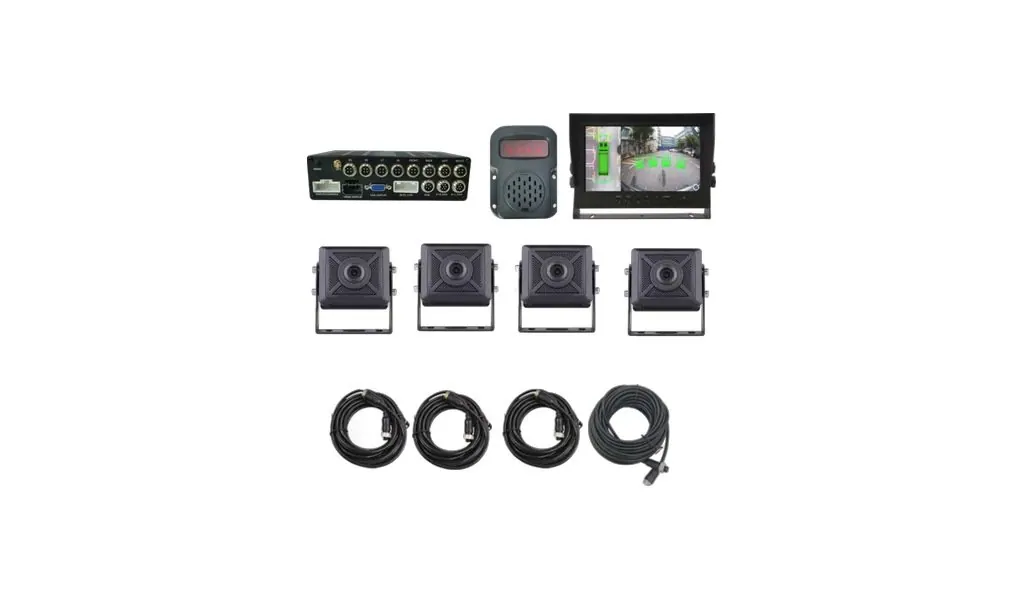
14 360° Panoramic vs BSD Radar: Which Blind Spot System Do You Need?
Comparing 360° panoramic systems with camera-based BSD and ultrasonic radar: what each detects, how each fails, and how to combine them on trucks and buses.
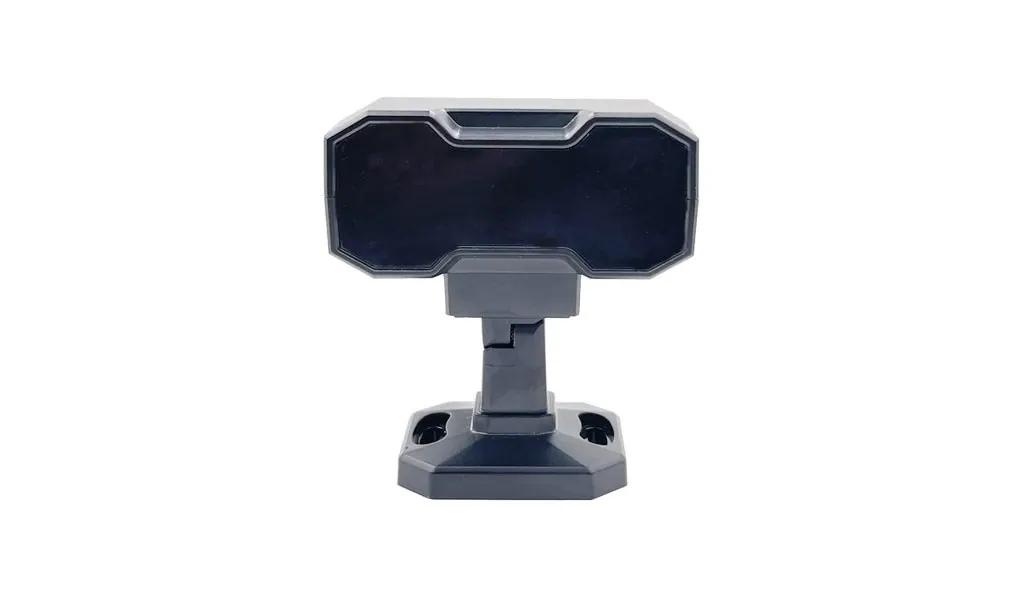
15 DMS and ADAS Explained: Fleet Safety Monitoring That Works
What driver monitoring (DMS) and advanced driver assistance (ADAS) actually detect, how they differ from BSD, and how to deploy them so the data gets used.
16 DMS Cameras and Global Shutter: What the Sensor Does and Does Not Fix
A driver-monitoring camera that fails on one driver in a reflective vest: which failure a global shutter really solves, and which it does not.
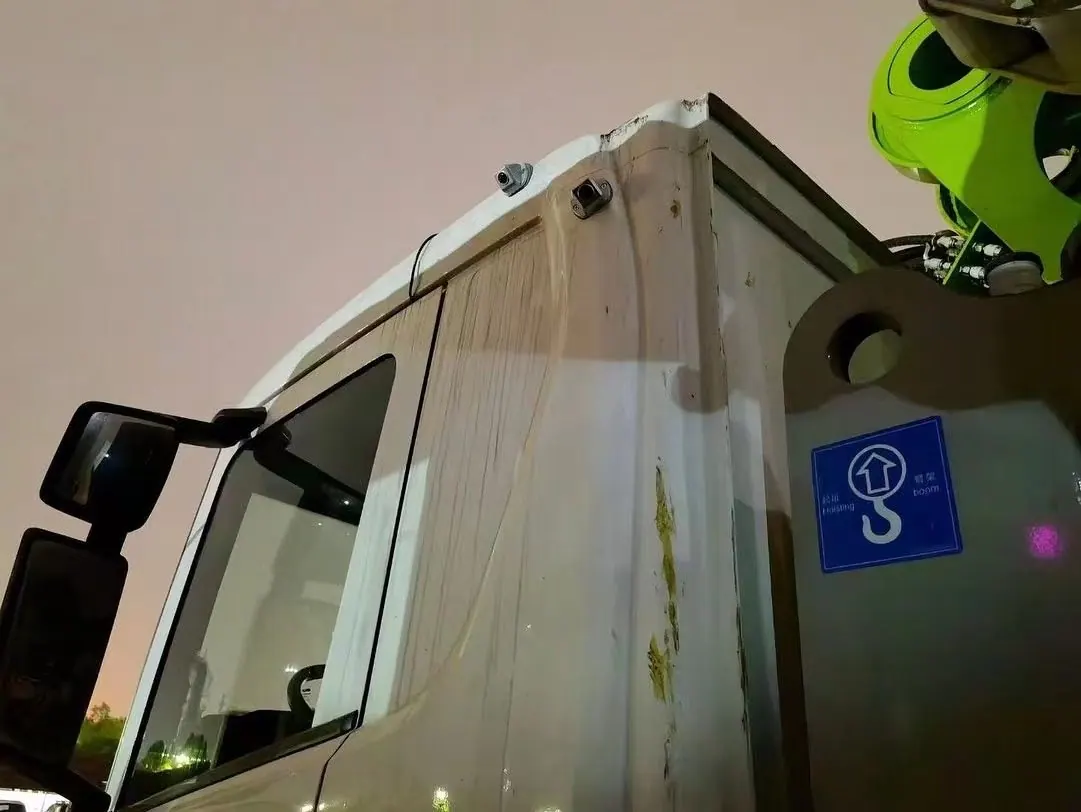
20 Blind Spot Camera Systems for Trucks: What to Fit, Where to Mount It, and How to Check It Works
What a truck blind spot system is made of, where each sensor has to sit, and the measurements that prove it works before the vehicle goes back in service.
Buying guides
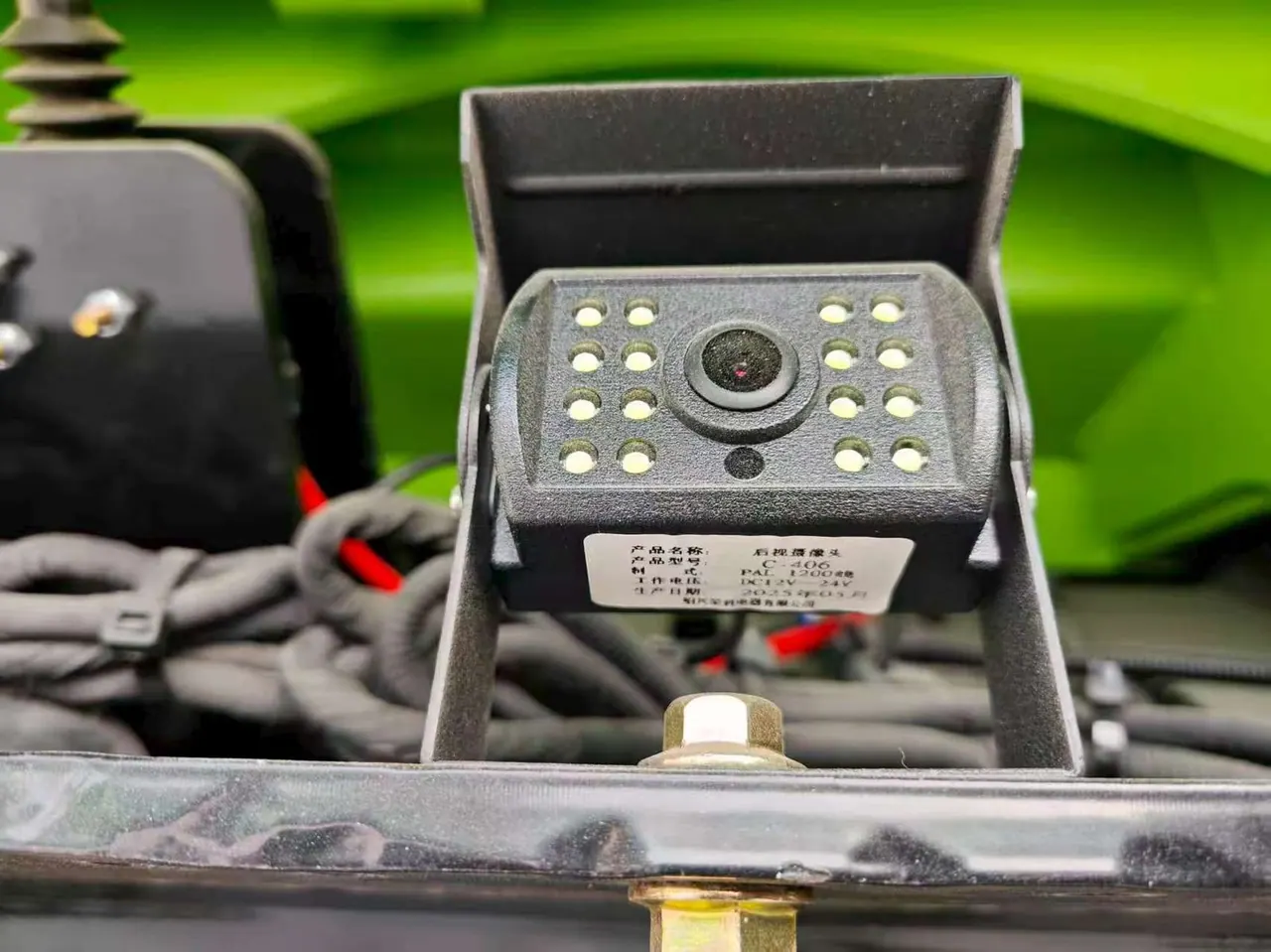
01 How to Choose a Truck Camera: The Complete Buyer's Guide
A practical guide to specifying commercial vehicle cameras: position, resolution, viewing angle, night vision, waterproof rating and connector type.
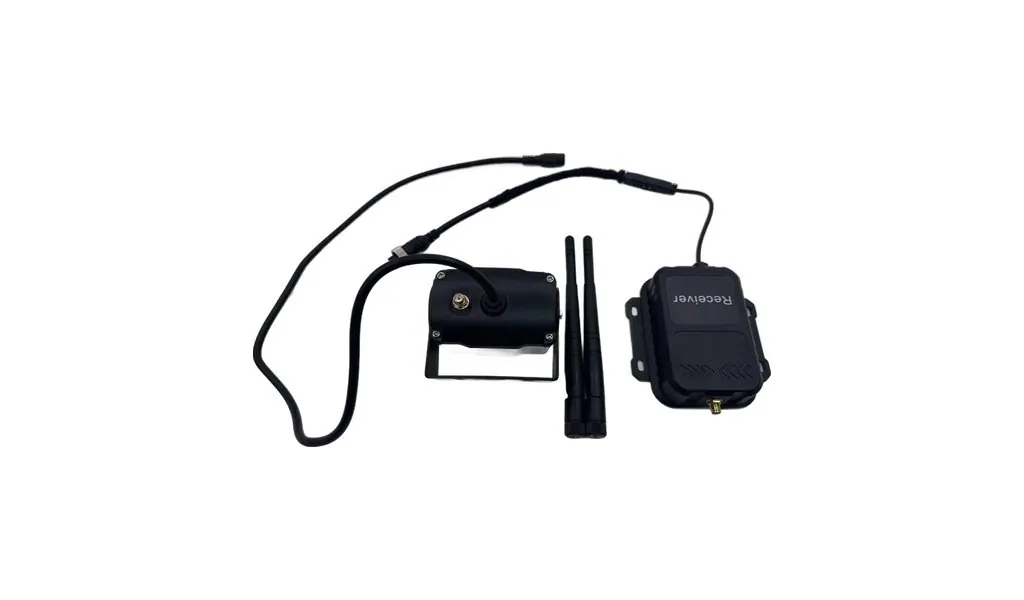
18 Wireless Trailer Camera Systems: Range, Reliability and Regulations
How wireless trailer camera systems work: what range figures mean, pairing for drop-and-hook fleets, power options for unwired trailers, and radio approval.
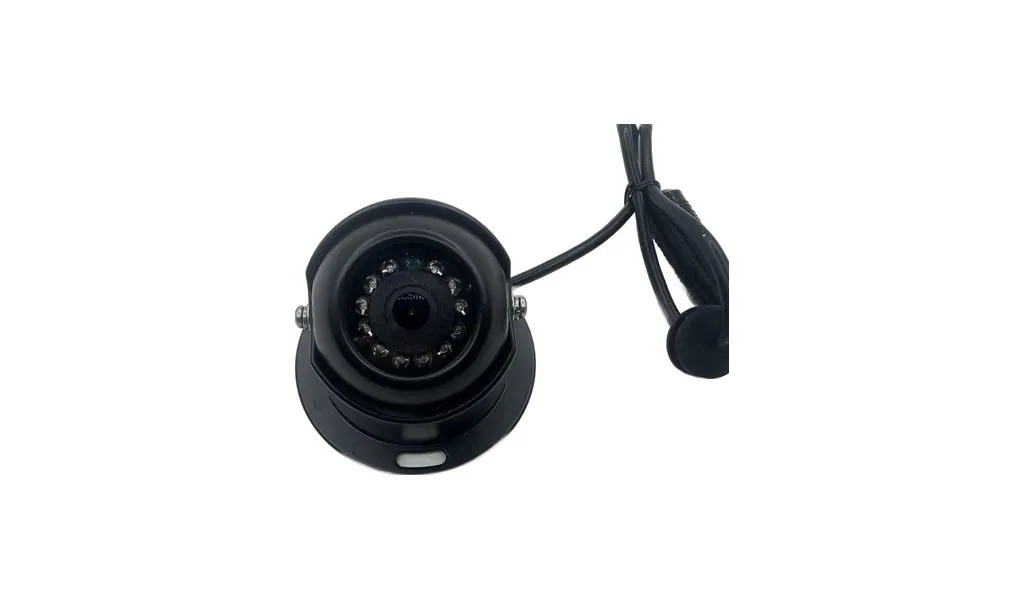
21 Bus Camera Systems: Interior, Door and Driver Monitoring in One Spec
Bus camera systems: four zones, door-step geometry, aisle coverage, a separate driver camera, recorder sizing and the checks before service.
Project experience
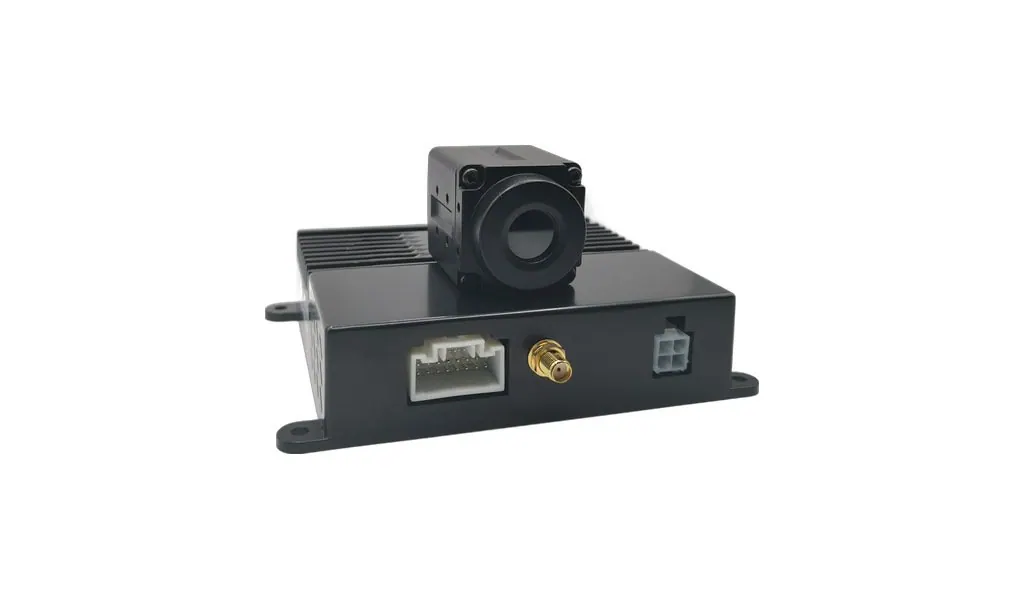
17 Thermal Imaging Cameras for Trucks: Detection Distances and Use Cases
How vehicle thermal cameras work, what 256×192 and 640 resolution mean on the road, how to calculate detection distance, and where thermal beats infrared.
19 How to Fit a Reversing Camera to a Rigid Truck: Positions, Wiring and Checks
Where to mount a reversing camera on a rigid truck, how the mounting height sets the blind spot, and the wiring mistakes that kill cameras.
22 Camera System for a Bucket Truck: Seeing the Road and the Rear
What a bucket-truck driver actually needs to see, why the rear is the hard part, and how to lay out cameras, cable and a monitor on an F-450 / F-550 class chassis.
Looking for a reliable camera system supplier?
Tell us your vehicle type and application — we will recommend the right system and quote within 24 hours. Distributors and OEM/ODM projects welcome.