
How These Systems Are Actually Configured
Each note below takes one vehicle type and one problem, and sets out the camera positions, the mounting details, the alarm logic and the metrics a fleet should track afterwards. They are written by our engineers from real installation practice.

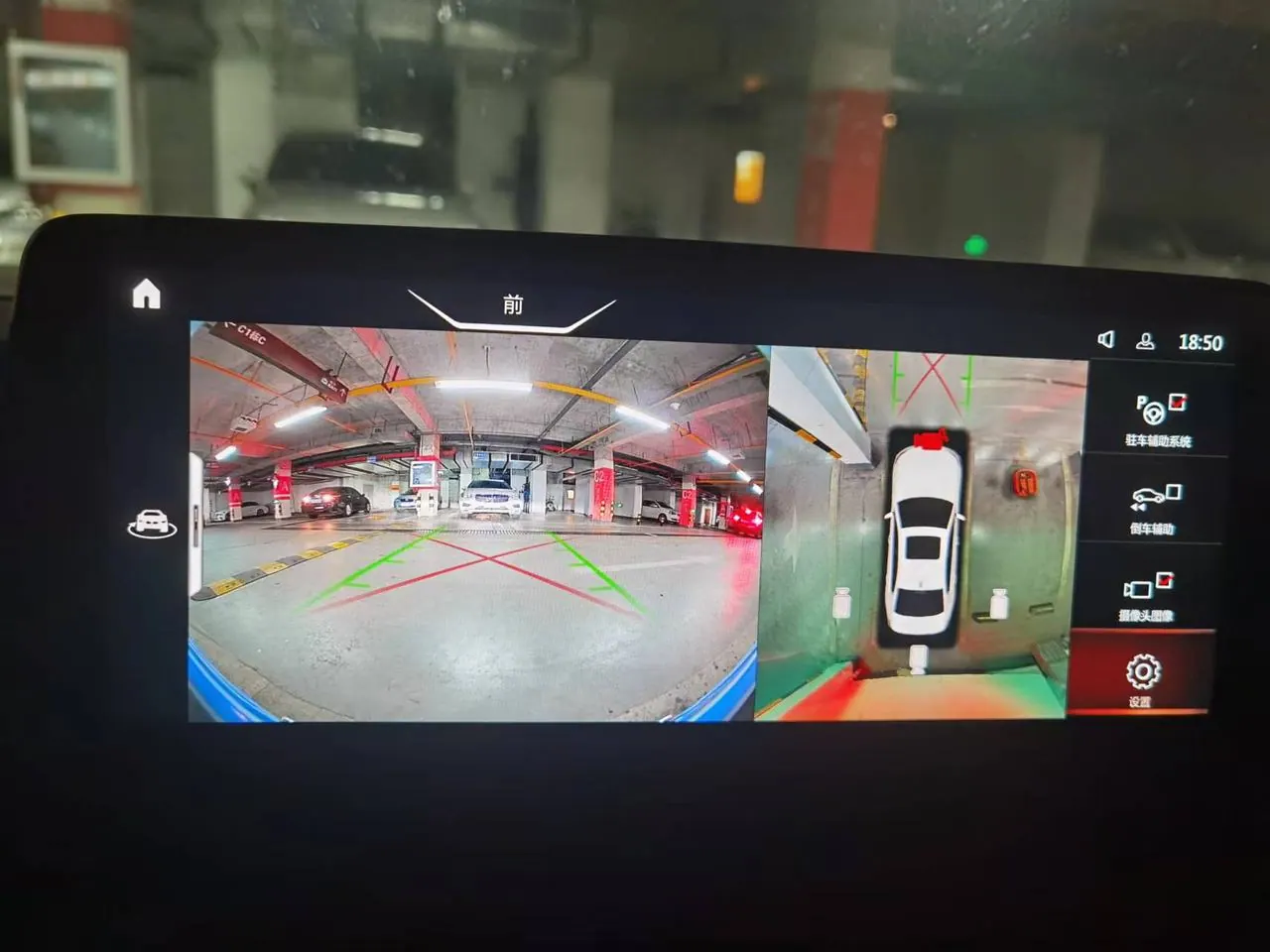
Choose the vehicle you are equipping
One note per vehicle type: camera positions, mounting, alarm logic and the numbers to watch after commissioning.
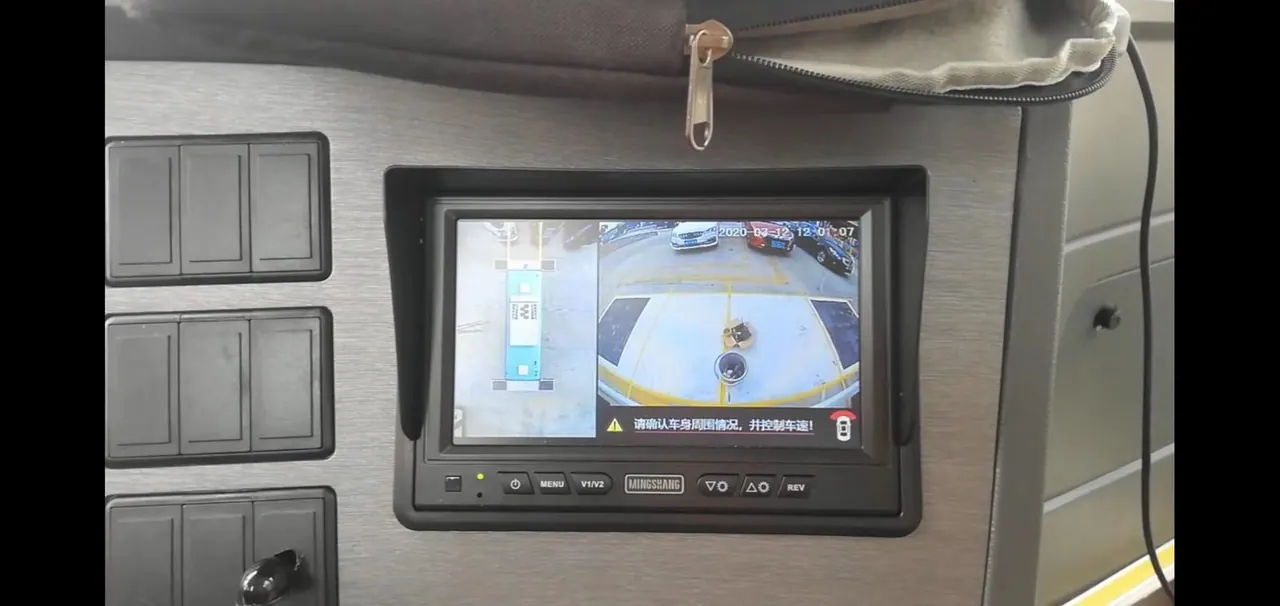
Near-Side Blind Spot Coverage for Rigid Trucks
A driver sitting 2.5 metres above the road cannot see the nearside area between the front wheel and the rear axle. This note sets out how to cover it properly with three or four cameras, and when to add an AI warning layer.
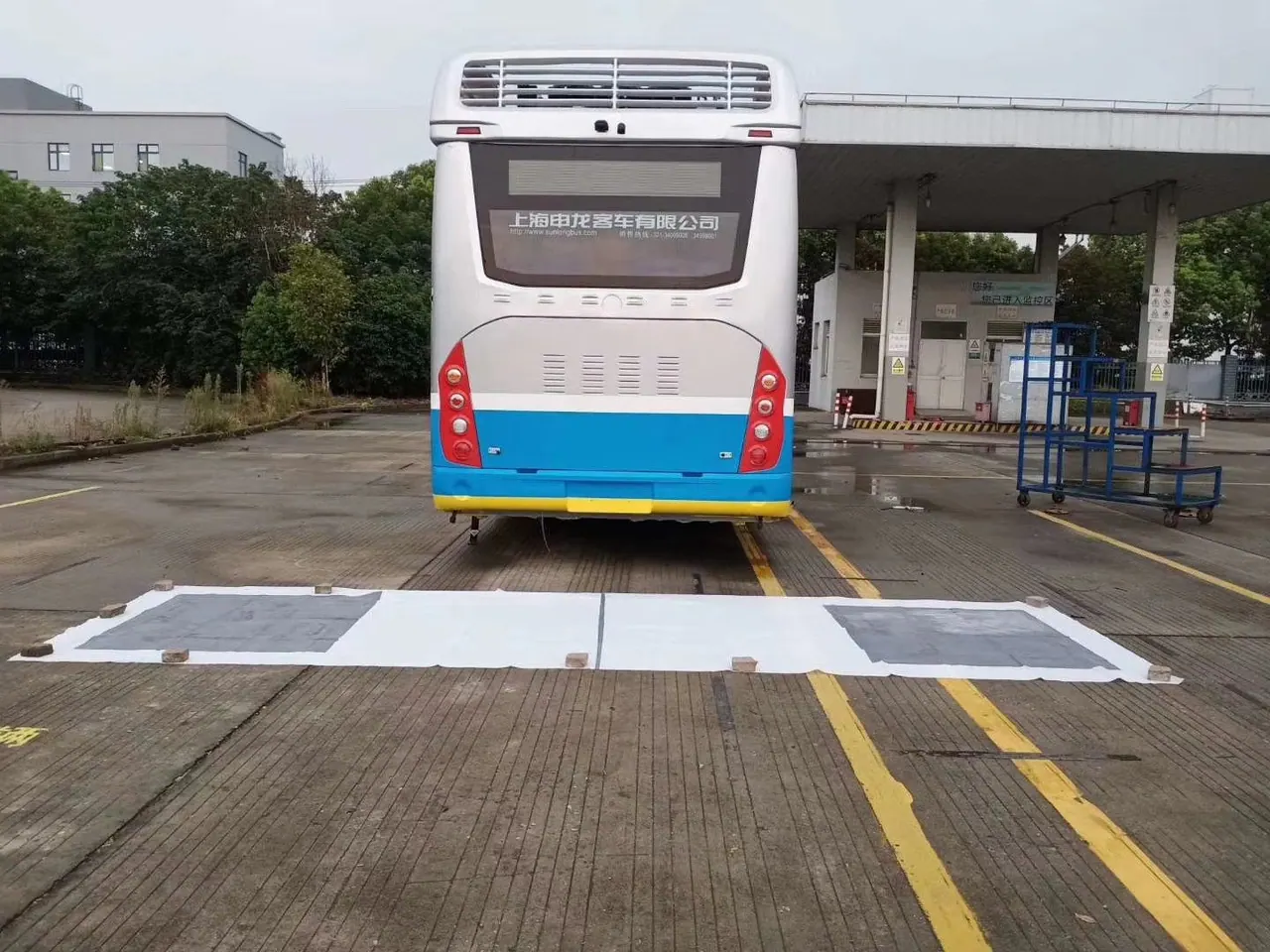
Multi-Camera and Driver Monitoring for City Bus Fleets
A bus camera system has two jobs that pull in opposite directions: it must produce credible evidence after an incident, and it must be discreet enough that passengers do not object. Getting both right is a question of placement and housing choice.
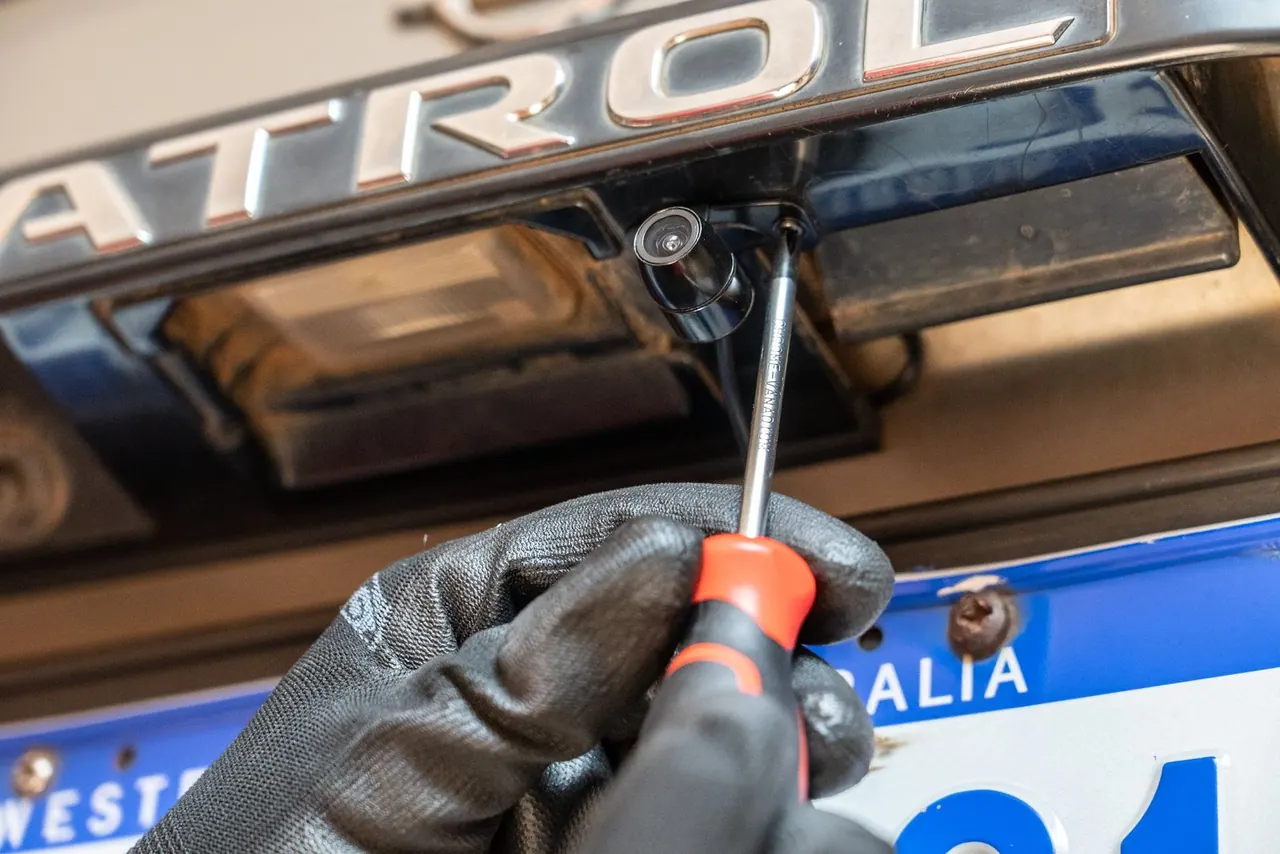
Forklift and Yard Pedestrian Safety
Forklifts have the shortest stopping distance and the longest list of blind spots of any vehicle in a yard. Two cameras and a reverse alarm remove most of the risk at a fraction of the cost of an accident.
Camera Systems for Refrigerated and Swap-Body Trailers
A trailer that detaches from its tractor cannot be cabled reliably. This note covers the wireless architectures that work for trailers and drop-and-hook fleets, and the cold-weather details that matter.
Vision Systems for Mining, Quarry and Construction Plant
On a quarry haul road the visibility problem is not darkness — it is dust, vibration and scale. The specification that works on a highway truck will not survive a season on plant.
Camera Systems for Refuse and Municipal Vehicles
A refuse truck reverses down residential streets with two or three crew members walking around it. No other municipal vehicle has that risk profile, and no other vehicle needs cameras quite so specifically placed.
Explosion-Proof and Stainless Vision for Fuel and Chemical Transport
A camera on a fuel tanker has to survive two things at once: an atmosphere that corrodes aluminium and a classification that prohibits ordinary electrical equipment. Both constraints are addressable — but not with a standard truck camera.
Running a Private-Label or OEM Camera Programme
If you sell under your own brand, the difference between a supplier and a partner is what they will change. This note sets out exactly what we customise, and what the process looks like from first enquiry to repeat order.
About these notes
These application notes describe engineering practice and documented product capability. We deliberately publish them without customer names or quoted outcome statistics, because those vary enormously with fleet size, route profile and driver behaviour — and a number that is true for one operator is misleading for another.
If you would like references relevant to your vehicle type and market, tell us the application and we will put you in touch with an appropriate distributor or end user where their consent allows.
Looking for a reliable camera system supplier?
Tell us your vehicle type and application — we will recommend the right system and quote within 24 hours. Distributors and OEM/ODM projects welcome.