
Camera Systems for Refuse and Municipal Vehicles
A refuse truck reverses down residential streets with two or three crew members walking around it. No other municipal vehicle has that risk profile, and no other vehicle needs cameras quite so specifically placed.
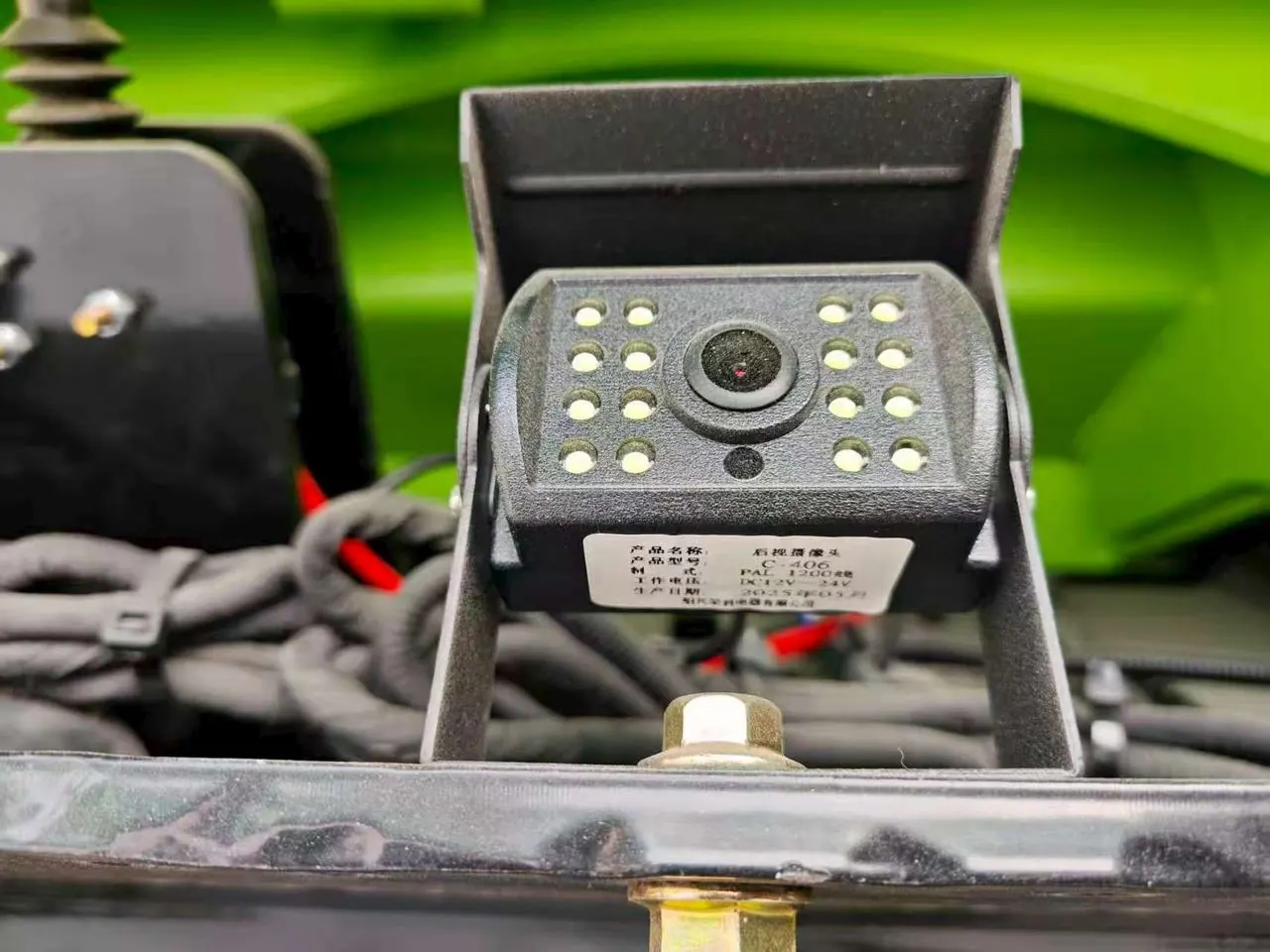
The risk profile is unlike any other vehicle
Refuse collection involves a vehicle reversing repeatedly in residential streets, often in the dark, with crew members walking on the road behind and beside it. The vehicle makes dozens of short reversing manoeuvres per shift, and the crew are focused on the bins rather than on the truck.
Layered on top is public liability: a damaged wall, a scraped parked car or an injury claim can be difficult to resolve without footage, and municipal operators are held to a high standard of evidence.
A layout that covers the crew and the vehicle
Rear
A reversing camera on the body looking down and back, covering the hopper area and the ground immediately behind.
Nearside low
A side camera aimed at the road surface beside the truck, where crew members walk.
Offside low
A matching camera on the traffic side, covering passing vehicles and pedestrians.
Front
A forward camera for the loading area and forward blind spots at junctions.
Add a reversing warning that works in a residential street
Traditional tonal reverse alarms generate complaints on early-morning collection rounds, and some municipalities restrict them. A white-noise alarm such as the JPA-BL1 is more directional: it warns the people behind the vehicle without broadcasting a tone through every bedroom on the street. Pair it with an AI BSD camera on the rear so the driver also gets an in-cab warning when a person enters the reversing zone.
Wash-down is the durability test
Refuse vehicles are washed daily, often with a pressure washer and aggressive cleaning agents. Specify IP69K throughout and 304 stainless where the wash chemicals or the cargo residue are corrosive. The JPC-171 with its aerospace-grade coating is a good middle option, and the JPC-173 stainless with heating suits cold-climate fleets where the lens also ices.
Installation notes
- Protect the cameras from the wash jet. A camera that survives rain may not survive a jet aimed directly at the seal from 200 mm. Fit covers and position cameras so the jet angle is oblique.
- Route cables away from the hopper and the packer mechanism. Moving steel and hydraulic fluid destroy cable looms.
- Seal and drip-loop every connector. This is a wet, dirty vehicle with a daily wash cycle.
- Record continuously, not on event. The incidents that matter here are rarely triggered by an alarm — they are scrapes and near-misses that are only identified afterwards.
What to measure after deployment
- Public liability claims and, more importantly, the resolution time for each claim.
- Crew incident reports involving vehicles and third parties, reviewed weekly by route.
- Camera uptime after wash-down, checked monthly — this is the most common failure mode for municipal fleets.
- Reverse alarm complaint volume, which a white-noise alarm should measurably reduce.
Installations and production for this kind of vehicle
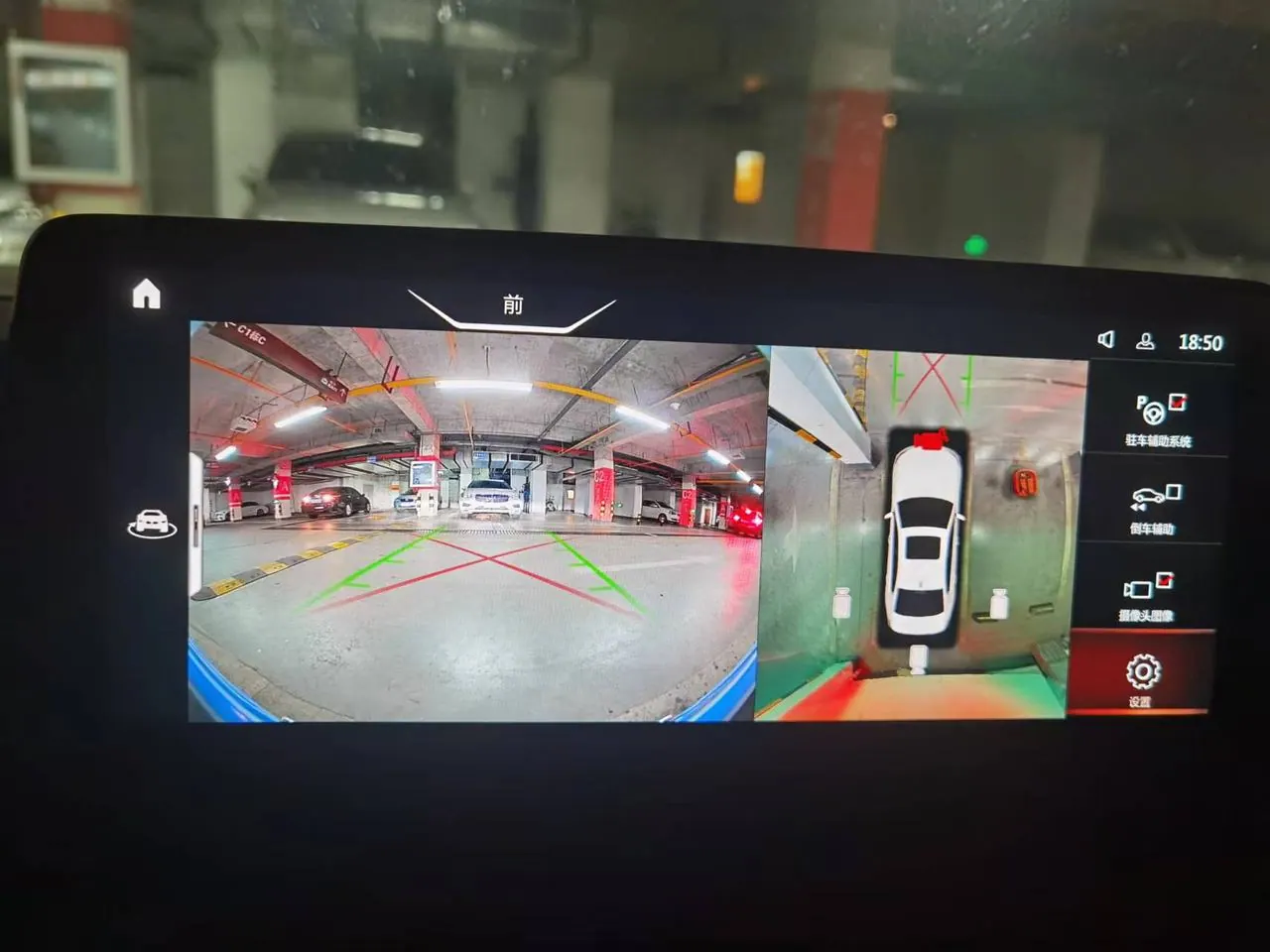
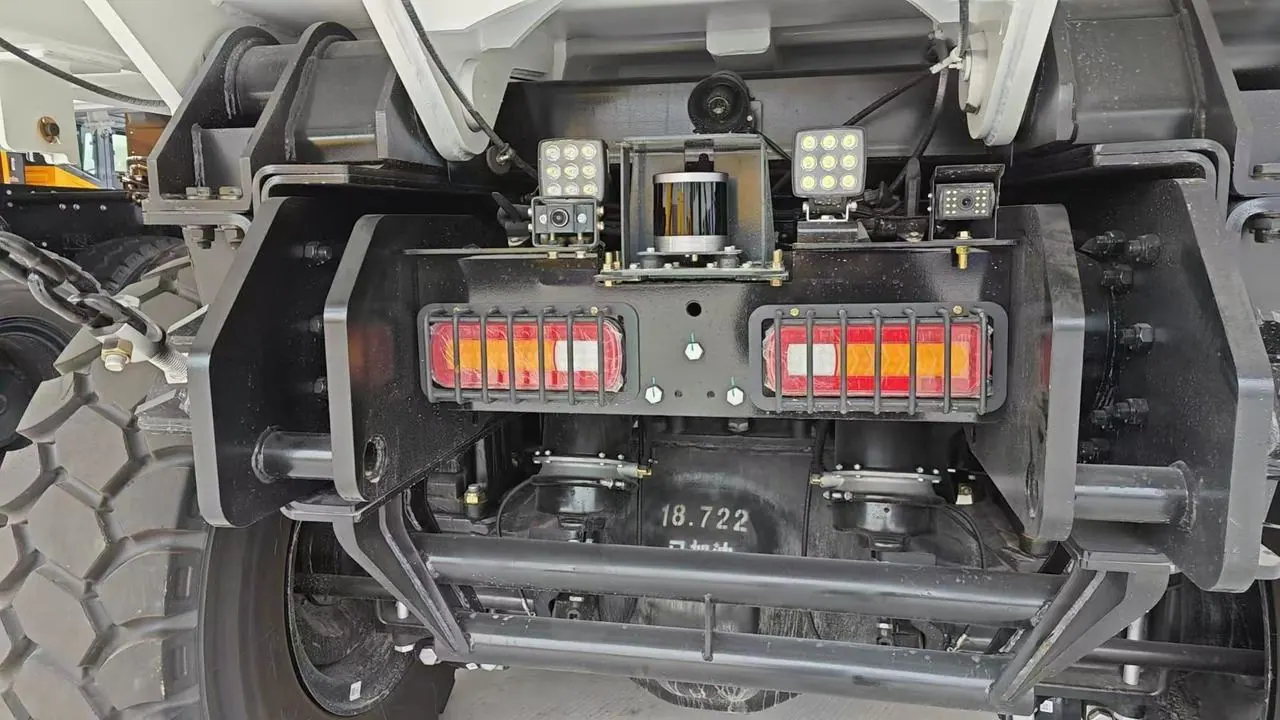
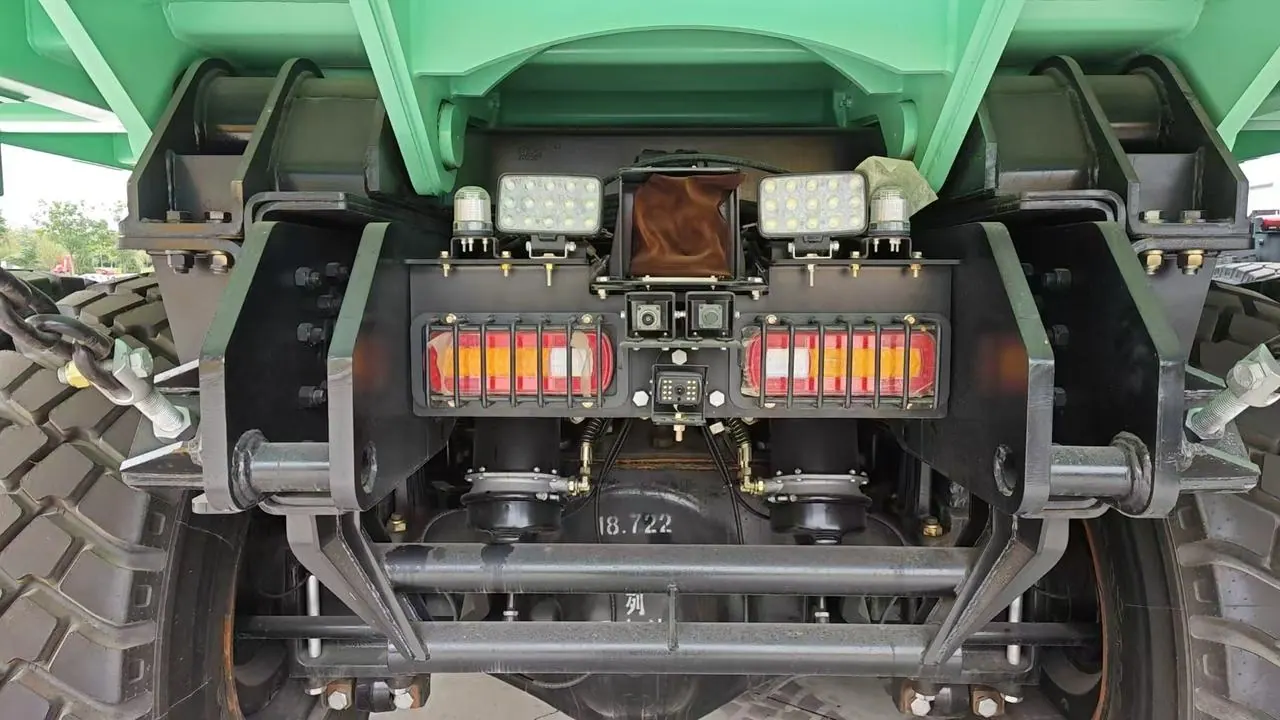
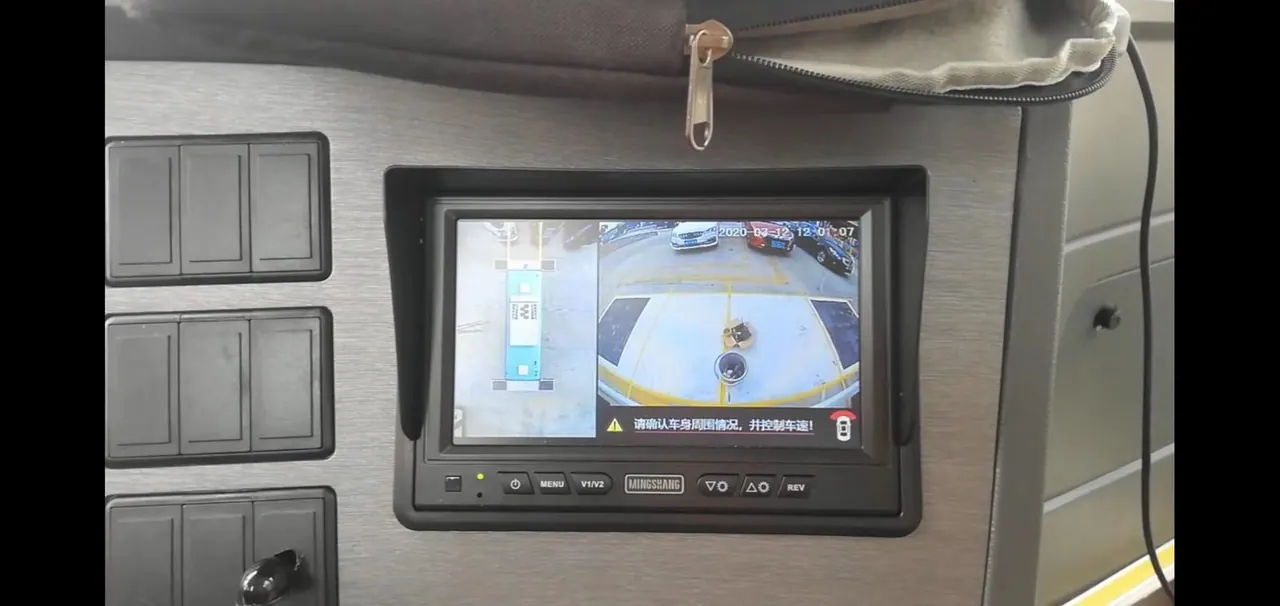
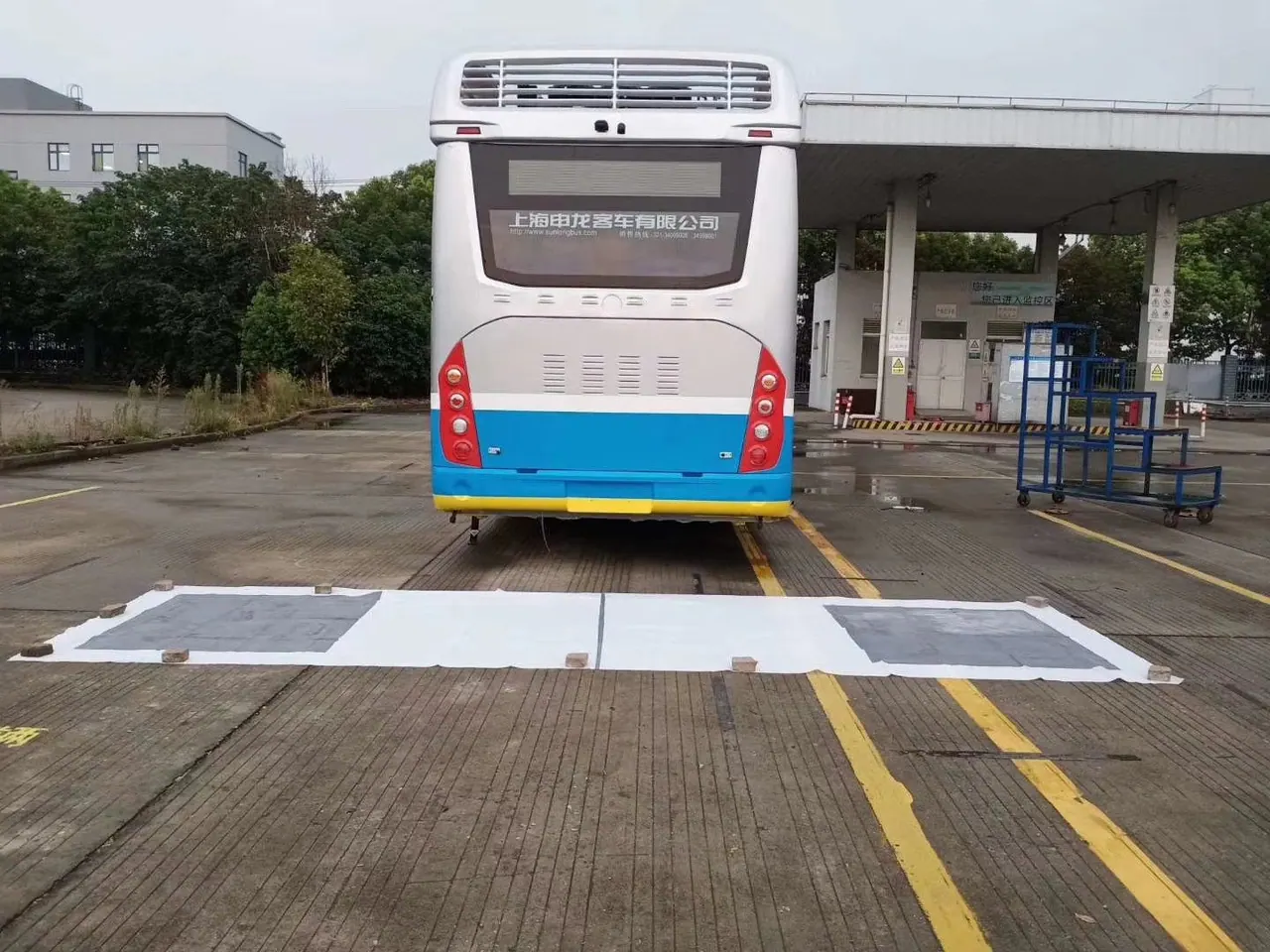
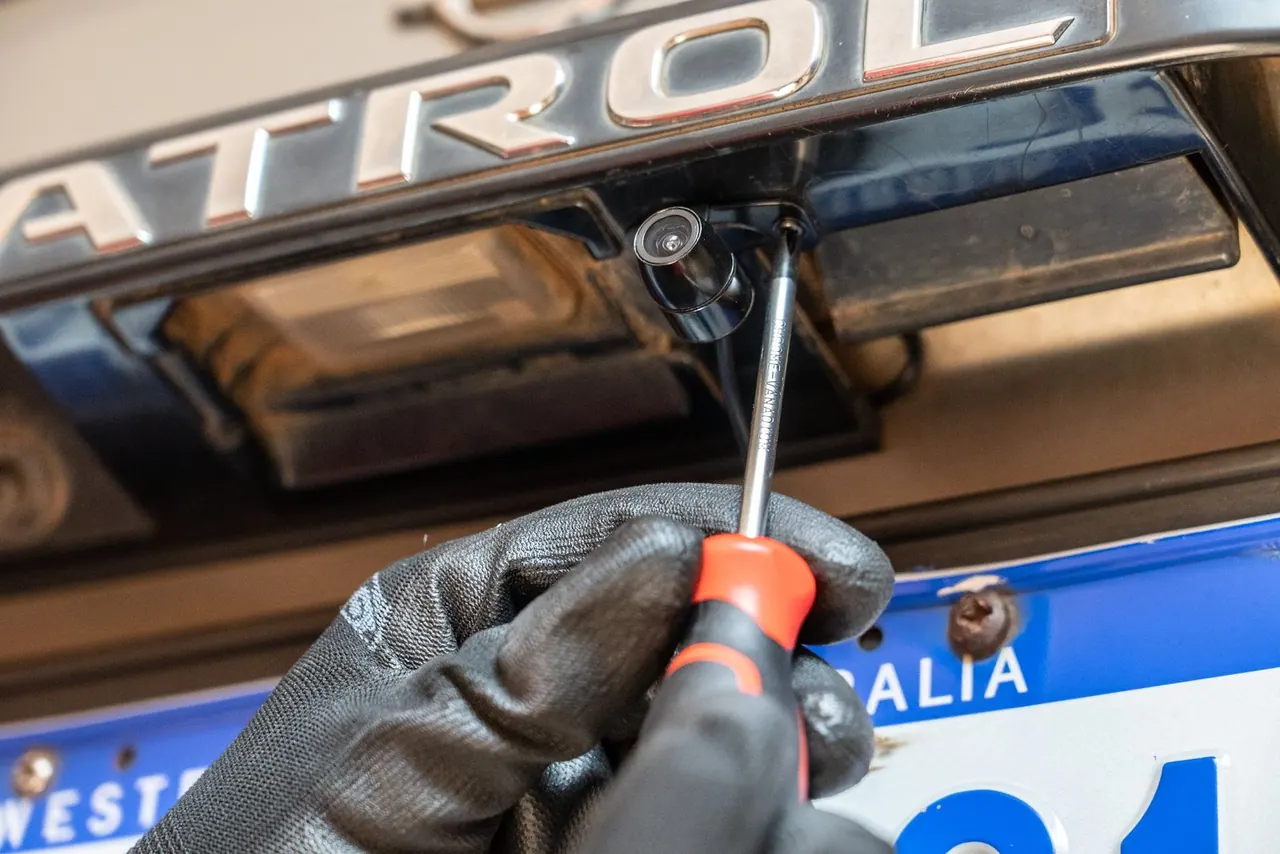
Photographs from installations and production runs on comparable vehicles — position, brackets and cable routing are the parts a specification sheet cannot show.
Ranges that appear in this configuration
Related application notes
Near-Side Blind Spot Coverage for Rigid Trucks
A driver sitting 2.5 metres above the road cannot see the nearside area between the front wheel and the rear axle. This note sets out how to cover it properly with three or four cameras, and when to add an AI warning layer.
Multi-Camera and Driver Monitoring for City Bus Fleets
A bus camera system has two jobs that pull in opposite directions: it must produce credible evidence after an incident, and it must be discreet enough that passengers do not object. Getting both right is a question of placement and housing choice.
Forklift and Yard Pedestrian Safety
Forklifts have the shortest stopping distance and the longest list of blind spots of any vehicle in a yard. Two cameras and a reverse alarm remove most of the risk at a fraction of the cost of an accident.
Looking for a reliable camera system supplier?
Tell us your vehicle type and application — we will recommend the right system and quote within 24 hours. Distributors and OEM/ODM projects welcome.